
Most cities are remembered for a skyline or a dish. Cologne is remembered for a smell — a light, citrus-and-herb splash first mixed here in 1709 and still called, without embarrassment, water of the city that invented it. Walk two streets through the old town and you cross paths with the two rival families who built an entire industry on that one idea, working sites that still stand a few hundred metres apart.
Two Houses, One Invention
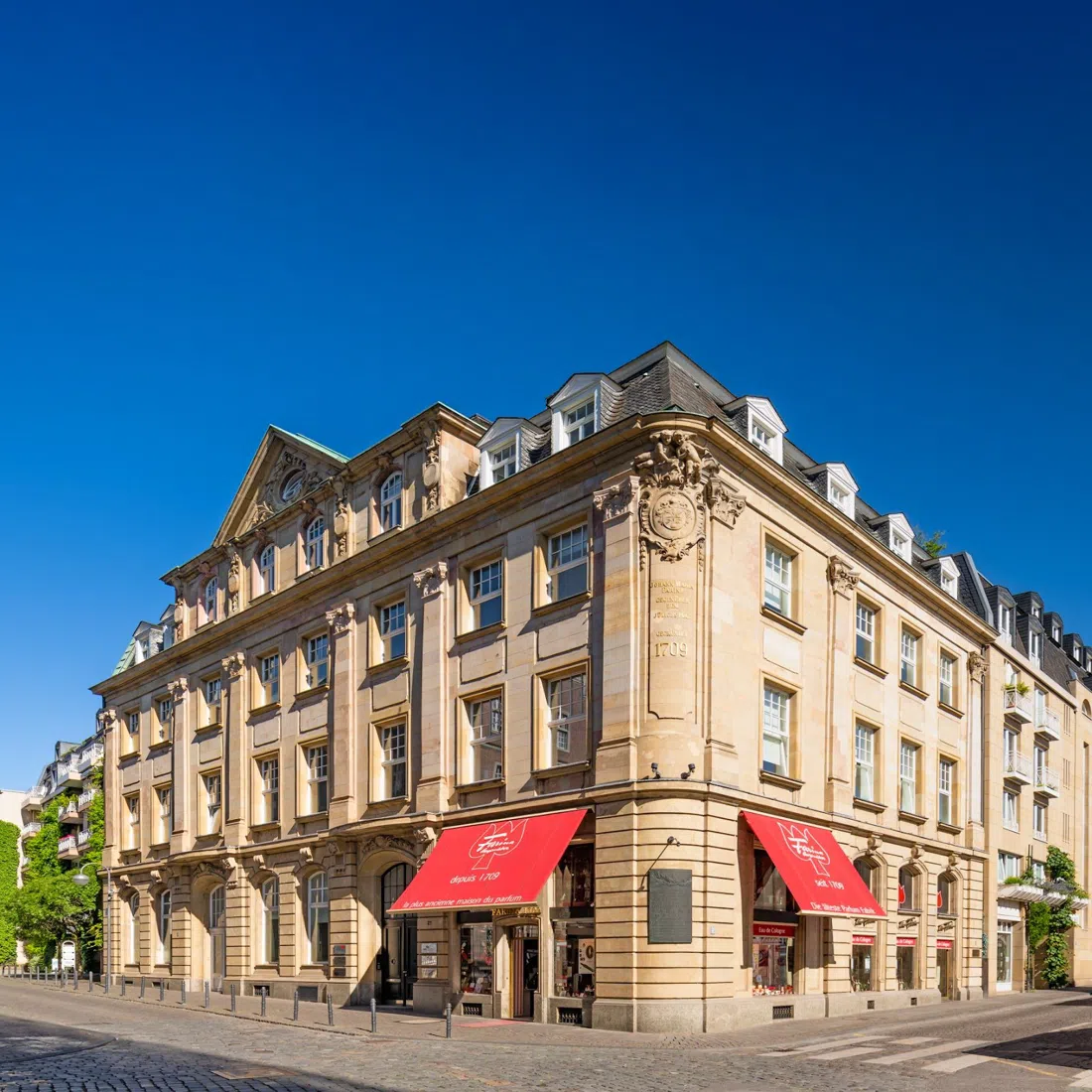
The story starts at the Farina Fragrance Museum (old town), the trading name of Johann Maria Farina gegenüber dem Jülichs-Platz — literally "opposite Jülich's Square," which tells you exactly where to look for the door. Farina, an Italian-born perfumer working in Cologne, mixed his citrus-and-herb water here in 1709 and named it Eau de Cologne — water of Cologne — after his adopted city rather than after himself. It was a generous decision and, in hindsight, a costly one: because he never trademarked the city's name, rival perfumers spent the next 300 years slapping "eau de cologne" on their own bottles, and the term eventually became generic shorthand for any light citrus fragrance made anywhere in the world. The museum on the original site tells that fight through recipe books, account ledgers and glassware, and the family — now in its eighth and ninth generations — still guards the original formula. You cannot wander it unaccompanied: visits are guided-tour only, with groups capped at 20 people. A regular tour runs about €12 for an adult; a costumed historical tour, offered on weekends, is about €18. Private group tours are bookable at a fixed rate — roughly €160 for the standard version or €210 for the costumed one, both covering up to 20 people. Book ahead if you're bringing a group larger than a couple; solo travellers and pairs can generally join a scheduled public slot.
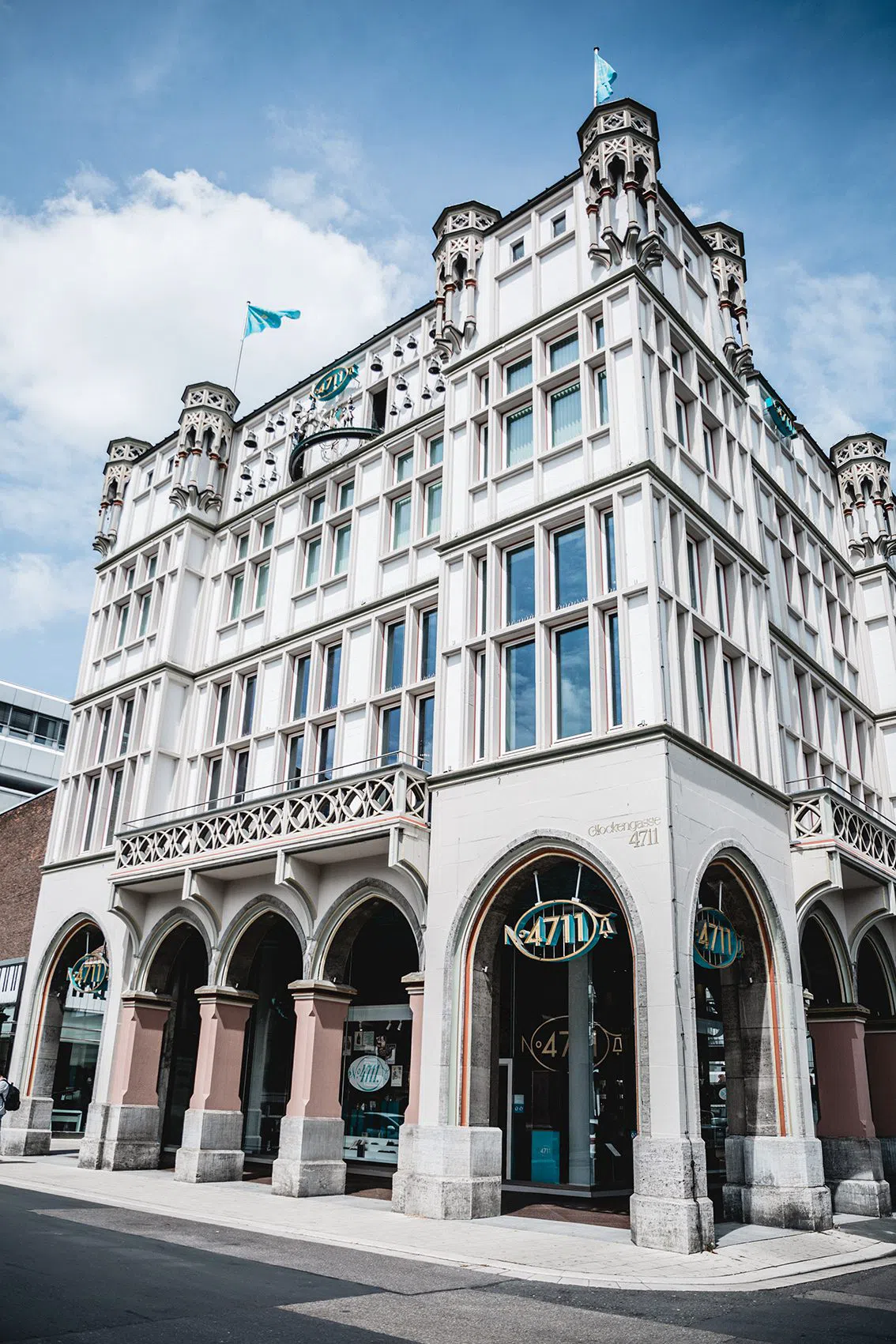
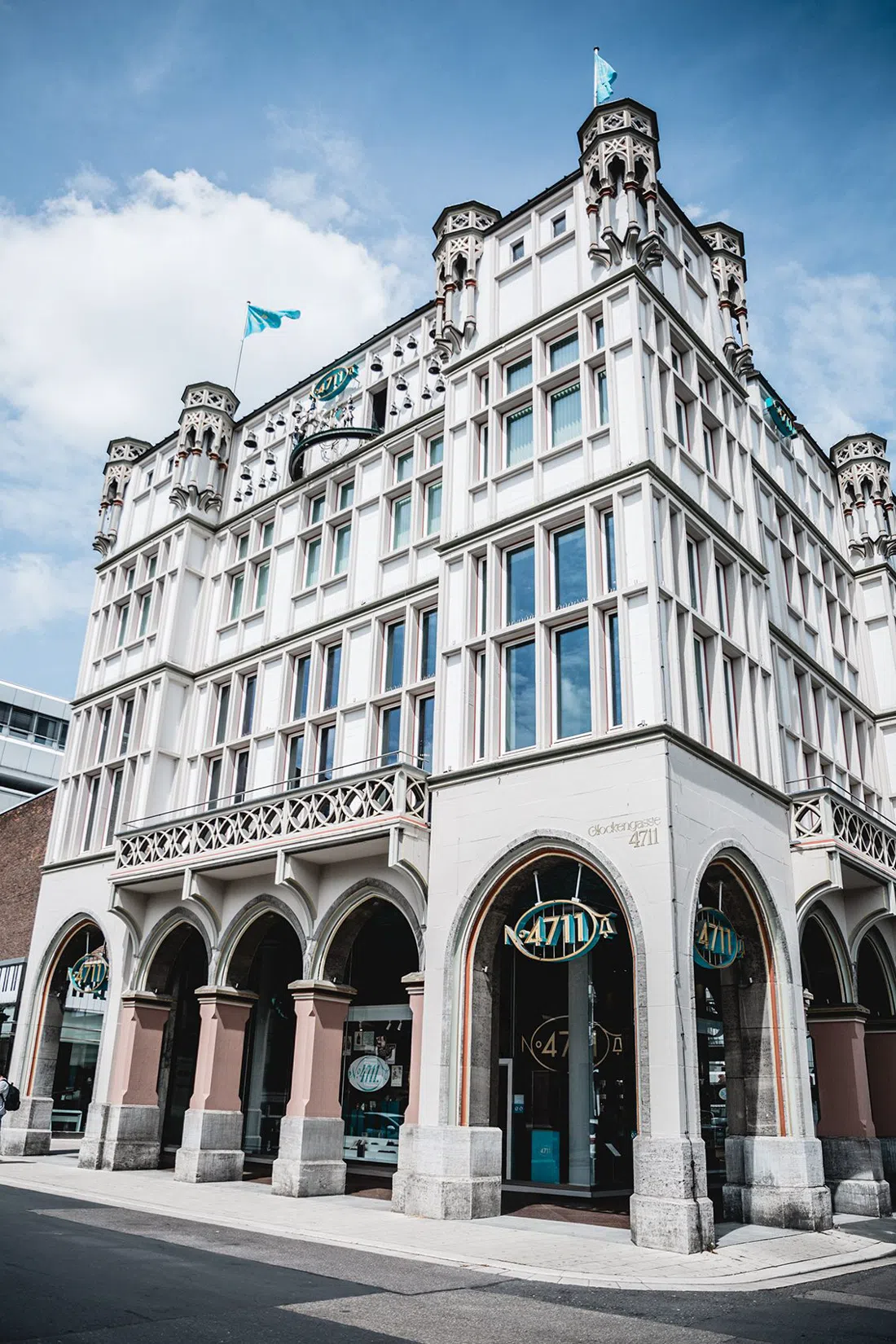
A short walk away on Glockengasse is the newer, louder half of the story: the 4711 Fragrance House, known locally as Dufthaus 4711. The name has nothing to do with fragrance chemistry and everything to do with French bureaucracy. When Napoleon's occupying administration took control of Cologne, officials numbered every house in the city in 1796 for billeting and taxation purposes. The building on Glockengasse belonging to merchant Wilhelm Mülhens happened to draw the number 4711. Once "eau de cologne" had become a free-for-all term used by dozens of competing houses, Mülhens needed something no one else could legally claim — his own house number did the job, and it has been the brand name ever since. Today the site combines a working shop with a small museum of glass cases and historic bottles, and simply browsing both is free. Where 4711 differs from Farina is in how it handles groups: there's no obligatory guided tour, but organised visits — historical tours, fragrance seminars, or a four-course fragrance-menu experience pairing scent with food — need to be arranged in advance by emailing [email protected]. Expect roughly €7.50 per person for the historical tour, €40 for the fragrance seminar, and €95 for the fragrance-menu experience. The two houses sit close enough together that doing both on the same afternoon is entirely realistic, and the contrast is part of the point: one is the invention itself, guarded and formal; the other is the invention's most successful imitator, turned into a brand and now a shop you can duck into on a whim.
Napoleon's Nose
The French occupation that accidentally named 4711 also produced Eau de Cologne's most famous customer. Napoleon was reputedly a lifelong devotee of Farina's water, said to have gone through close to a bottle a day, with fresh supplies reportedly finding their way to him even on campaign. It's a detail worth having in mind before you look up at the Johann Maria Farina statue on Cologne's City Hall Tower (Rathausturm), in the old town. The tower, rebuilt after wartime bombing, carries rows of statues of figures the city considers to have shaped it — archbishops, emperors, medieval mayors — and Farina, a tradesman rather than a ruler, has a place among them. It's the clearest sign the city itself, not just the tourist trade, treats him as a civic figure rather than a shopkeeper. The statue is outdoor, free, and unrestricted for any group size, with no booking required, which makes it a sensible first stop before either museum: five minutes to establish why any of this matters, then off to the shops that prove it.
Where the Trade Still Works
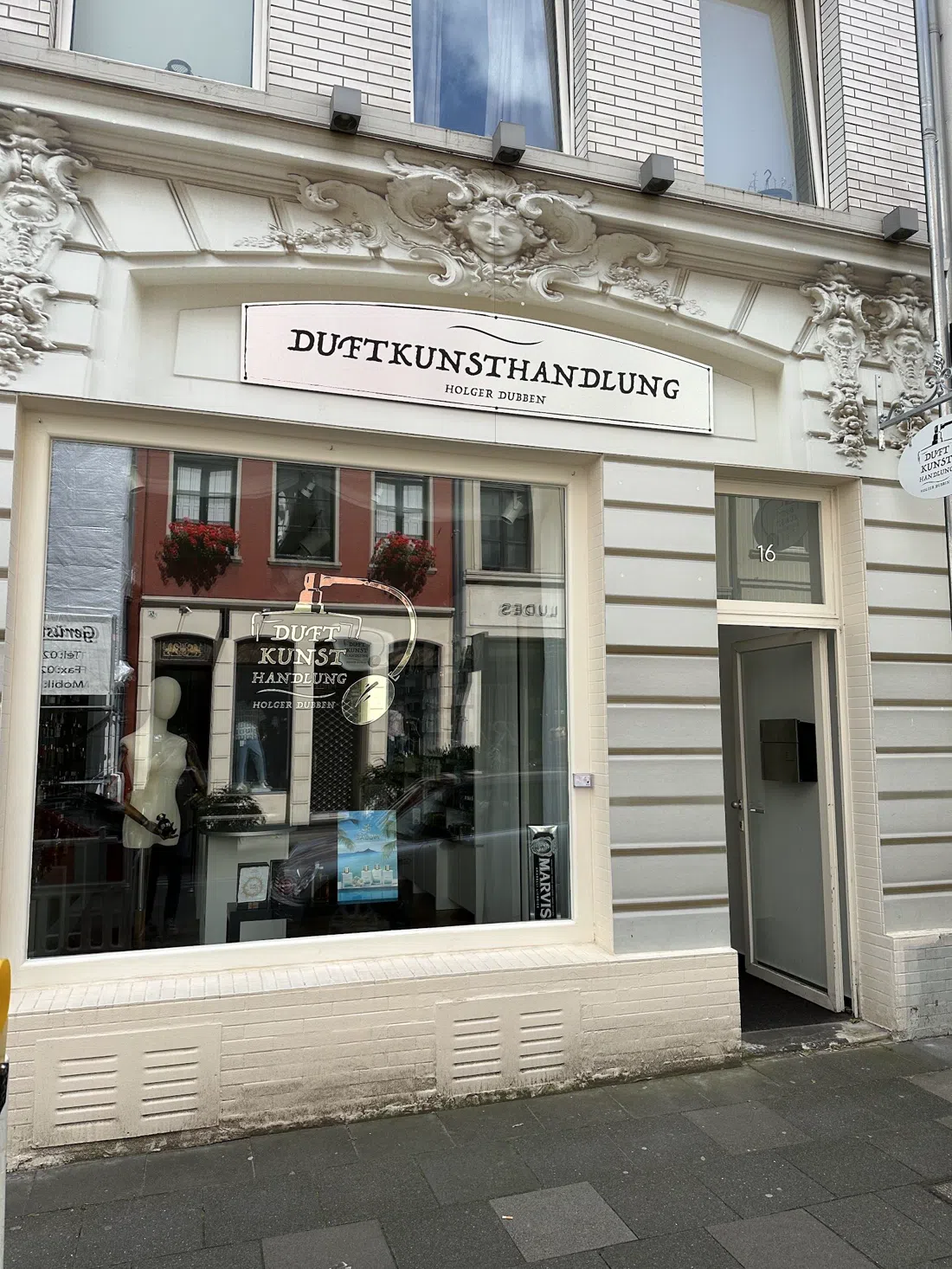
Cologne's fragrance history isn't only preserved behind museum glass. Duftkunsthandlung, an independent perfumery in the city centre, is the modern counterpoint to the two heritage houses — proof the 300-year-old trade still supports a working, non-touristy shop rather than only souvenir counters. It welcomes small parties for browsing and consultation without a booking; if you're coming as a larger group, call ahead, since it isn't set up as a formal tour venue and staff will want to manage the floor. Bottles here run roughly €80 to €250, and consultations with staff about what actually suits you — as opposed to what smells good on a test strip for thirty seconds — are free. It's the stop to make if you want to leave Cologne with something to wear rather than something to display on a shelf.
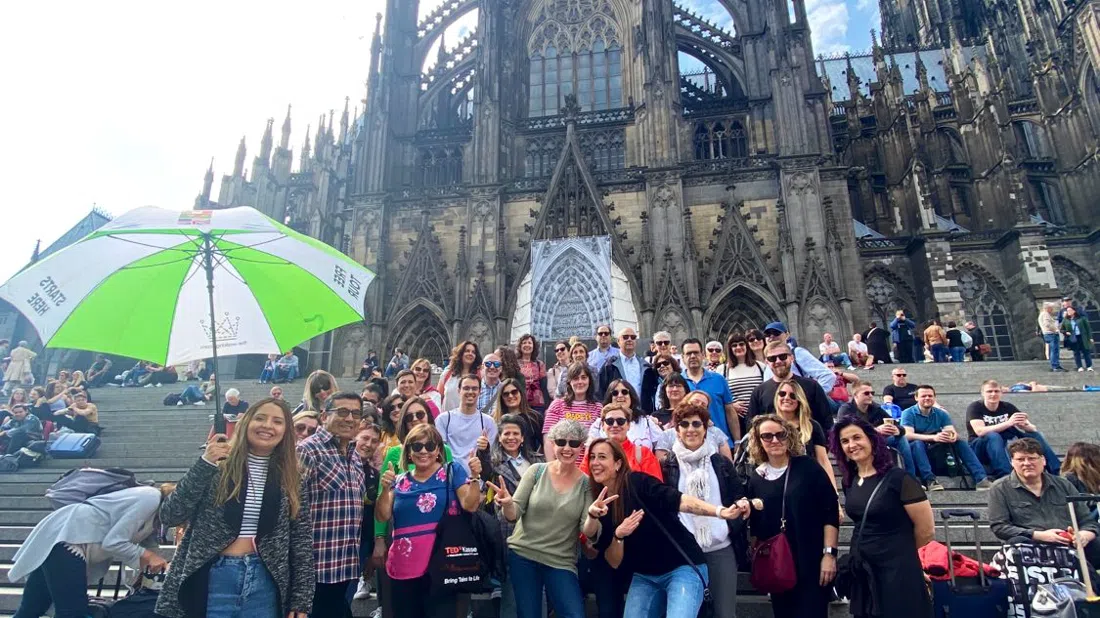
For readers who want the whole story stitched together rather than assembled stop by stop, Kölngeflüster runs a walking tour called "Duftende Kölner Kultur" — Cologne's fragrant culture — built specifically to link the fragrance sites into a single route. It works for groups: public dates are sold through KölnTicket at typically low double-digit euro prices per person, and private group tours can be arranged on request, priced individually. Booking this tour first and building the rest of your afternoon around it is a reasonable way to handle a tight schedule, since a guide will already know which door needs a reservation and which one you can just walk through.
Where the Story Widens
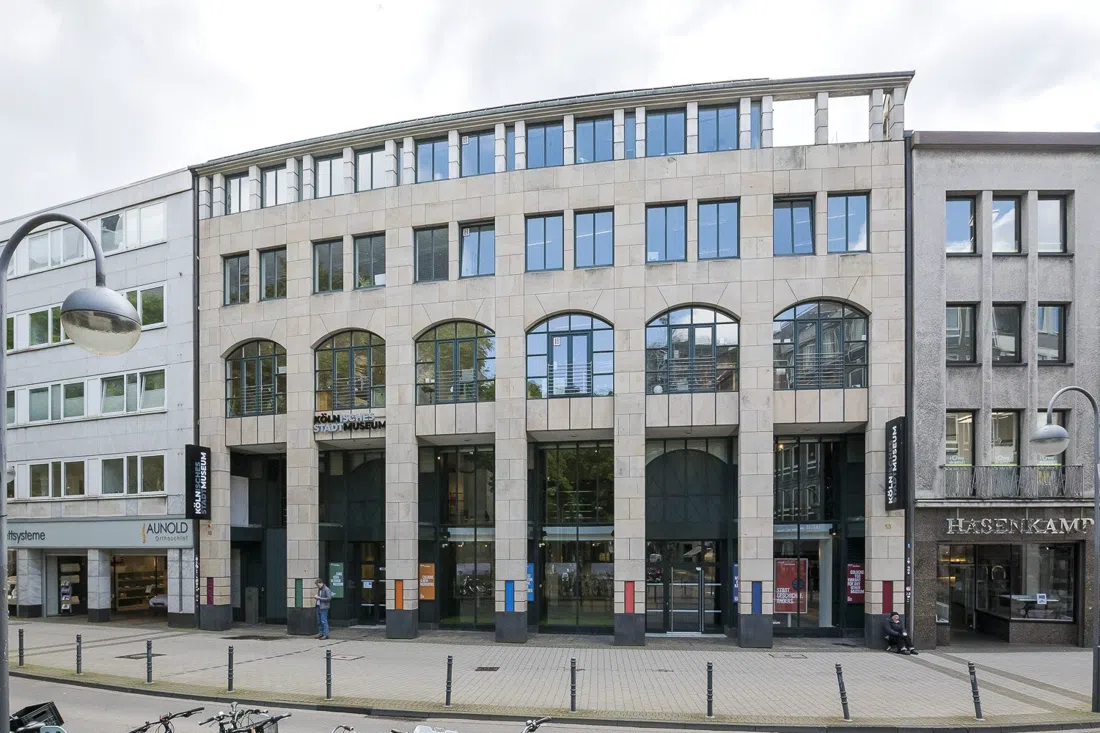
Two more stops round the picture out, neither essential on its own but both useful for context. The Kölnisches Stadtmuseum, the city's general history museum, is not a fragrance-specific institution, but it places Farina and Mülhens within the wider story of how Cologne saw itself as a trading and manufacturing city, not only a religious one built around its cathedral. Group visits can be booked through the standard municipal-museum process; admission is at the standard museum rate, which is worth confirming before you go rather than assuming. Keep any visit brief and treat it as background rather than a headline stop.
More of a curiosity than a destination is the Kölnisch-Wasser-Brunnen, a fountain inside the public banking hall of Kreissparkasse Köln at Neumarkt. The bronze fountain was cast in 1935 by the Cologne sculptor Eduard Schmitz, melted down for its metal during the war in 1942, and recast to its original design in 1950. For decades afterwards — into roughly the mid-1980s — it genuinely ran with Farina's Eau de Cologne, free for anyone passing through the hall to use. It no longer dispenses scent, but the bronze survives, and the hall is freely accessible during the bank's opening hours. It isn't a bookable stop and doesn't need to be one: if you're already walking to Neumarkt, it's a two-minute detour and a good excuse to explain the fountain's odd former job to whoever you're with. A group can pass through quickly without disturbing bank business.
A Quiet Address on the Edge of Town
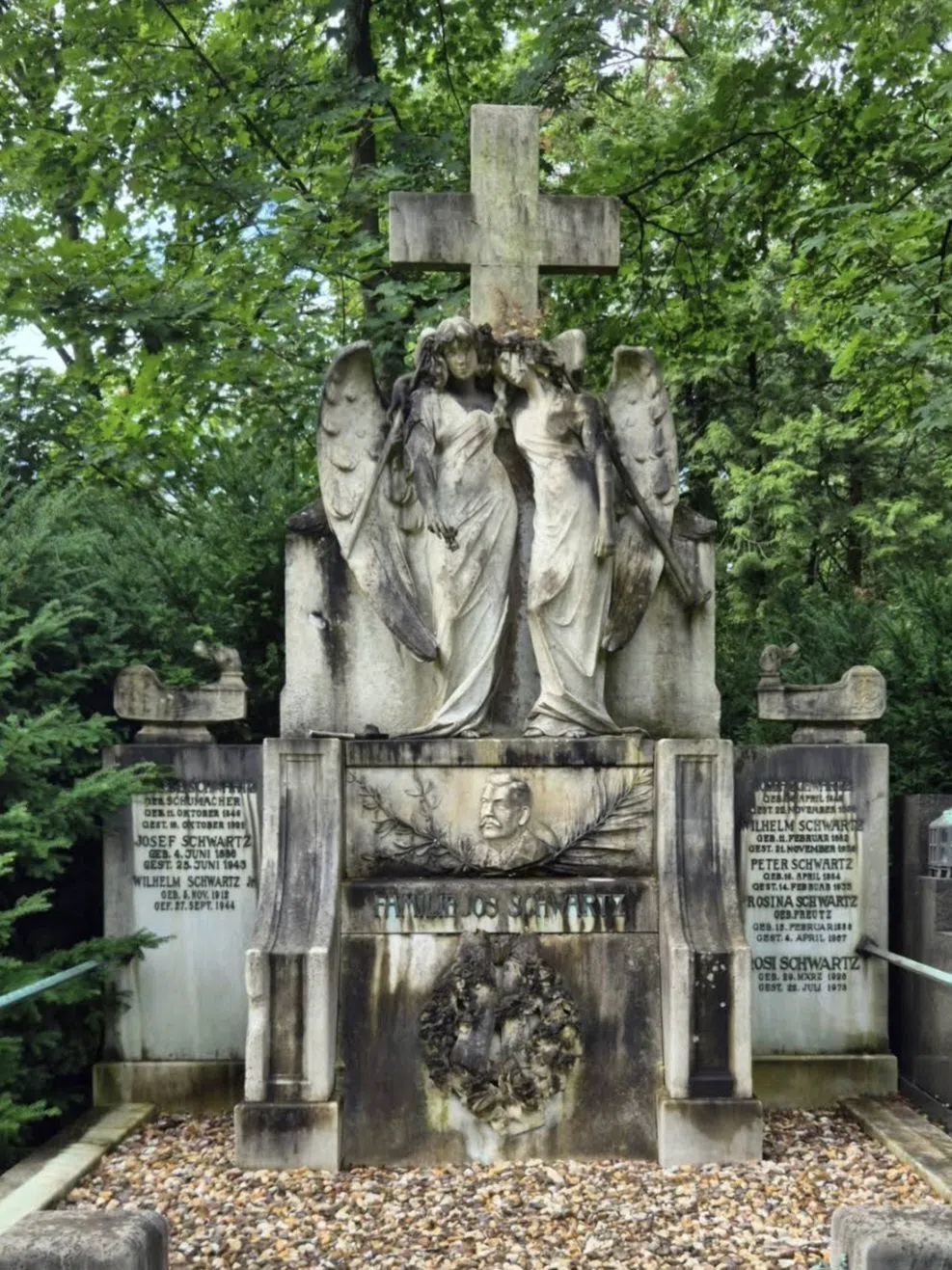
The last stop, and the one best kept for the end of the day, is Melaten Cemetery, Johann Maria Farina's actual resting place a short ride west of the old town. It's one of the city's larger historic cemeteries, and Farina's is among its oldest graves — he was moved there in a lead coffin after the cemetery opened, into what became the family crypt. Entry is free, and public guided tours run on Sundays at 11am, with some additional 1:30pm slots; private group tours can be booked directly, at roughly €179 for up to 15 people plus the city's standard cemetery fee. It's a deliberately quiet counterpoint to the shops and the tour groups — no queue, no gift counter, just the grave of the man whose 1709 recipe the rest of this itinerary is built around. Visiting without a guide costs nothing and takes twenty minutes; it's the right way to close out a day that started with a statue on a bureaucratic city hall tower and a house number handed out by a French administrator who never smelled the product he was naming.
Planning the Afternoon
Everything except Melaten Cemetery sits within easy walking distance in and around the old town, so the Farina museum, the 4711 house, the City Hall statue, Duftkunsthandlung and the Kreissparkasse fountain can all be covered on foot in a single afternoon; Melaten is a short tram ride out and back, best treated as a separate hour rather than squeezed into the same walk. Budget is flexible: browsing 4711's shop, seeing the statue, passing through the bank hall, and entering Melaten cost nothing at all, while a day built around both guided museum tours, a fragrance seminar and a private Kölngeflüster walk can run well over €100 per person. Carry some cash for smaller purchases and tour deposits, even though the museums and shops generally take cards. Book the Farina museum and any 4711 group session ahead of arrival — Farina's tour capacity is a hard cap of 20, and 4711's seminars and the fragrance-menu experience are arranged by email, not walk-up. If you're organising accommodation around the trip, a Cologne hotel search will put you within walking distance of the old-town cluster; for the rest of the city beyond its fragrance history, the Cologne guide covers where this story fits into everything else worth seeing.