The Cologne issue
Cologne Beyond the Cathedral: The Art Scene Germany Kept Quiet
Past the twin spires lies one of Germany's densest concentrations of serious art — the museums, member associations, blue-chip dealers and one-room off-spaces worth planning a trip around.
By Bram HendriksSlow walks, Romanesque churches and the city beyond the Dom
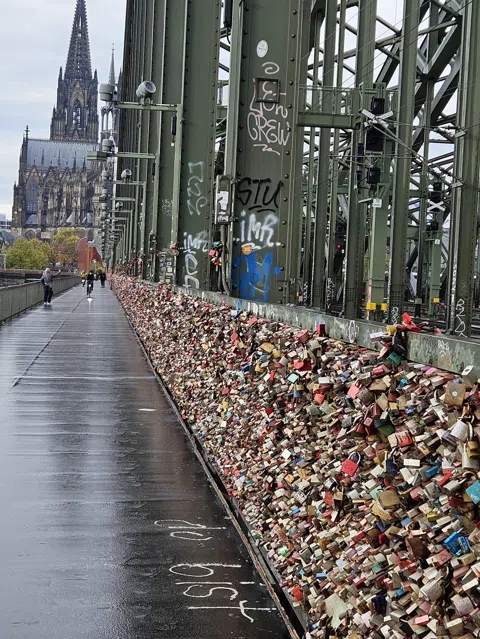
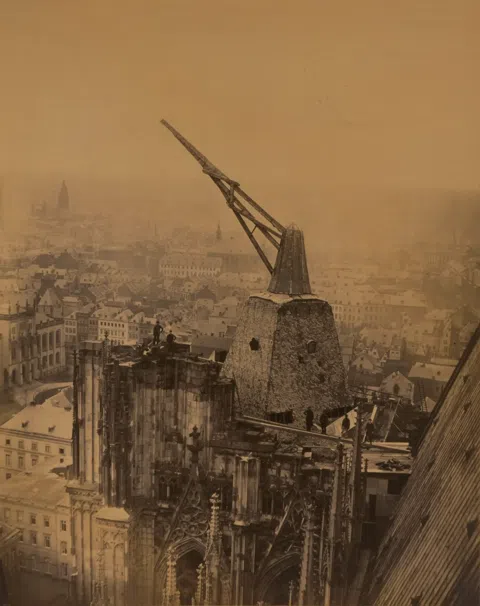
The cathedral does its work on you the moment you climb the steps out of the Hauptbahnhof: two blackened spires, a queue already forming, pigeons and buskers on the forecourt. Most visitors give Cologne a single morning for it and move on. That is the mistake. Within a fifteen-minute walk in almost any direction, the city holds one of the most concentrated art scenes in Germany — post-war museums, one of the country's oldest artists' associations, a run of internationally respected commercial galleries, and a scattering of non-profit rooms run on conviction rather than budget. This is not a bucket-list circuit. It is a working art city that happens to sit in the cathedral's shadow, and it rewards a reader willing to spend two or three unhurried days on it. If you want the wider picture — where to eat, sleep and orient yourself — start with the Cologne guide; what follows is the art, arranged the way you would actually walk it.
Start beside the cathedral: two museums to build a day around
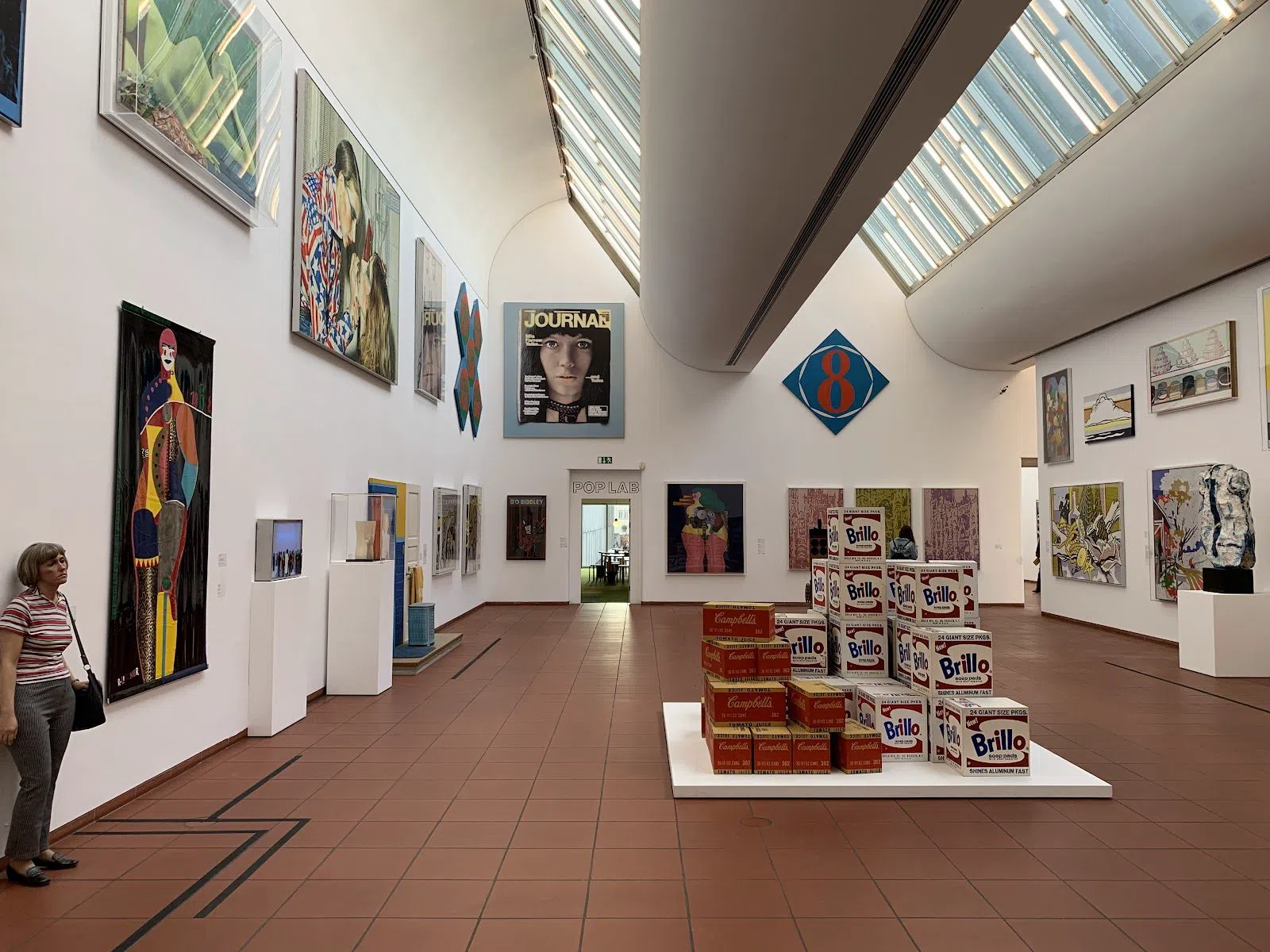
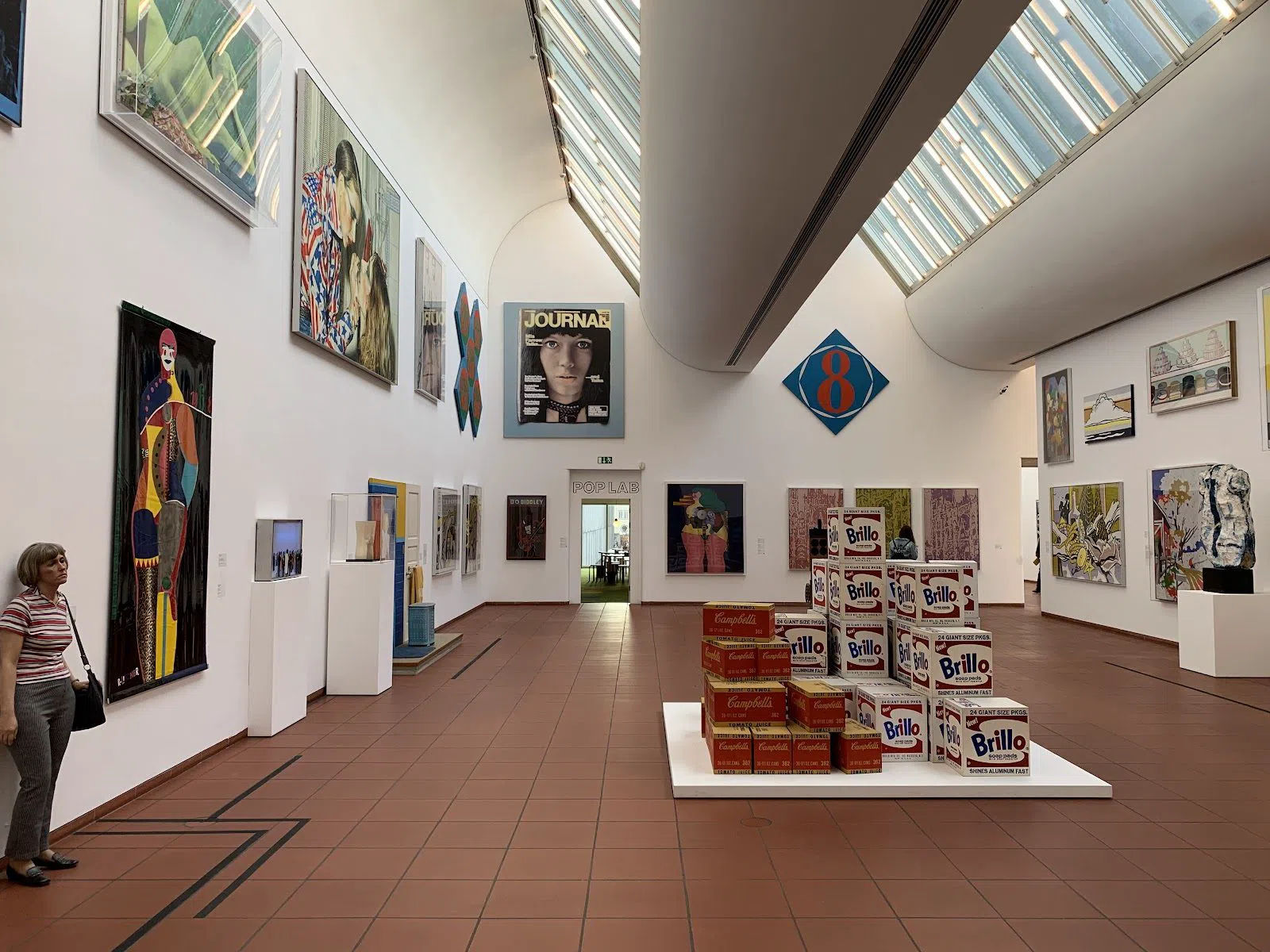
You do not have to go far to begin. Museum Ludwig (Altstadt, directly behind the cathedral) is the city's anchor for twentieth-century and contemporary work — Pop Art in real depth, one of the most important Picasso holdings outside Spain and France, and a strong run of post-war modernism. Entry is €12 for adults with the usual reductions, and the museum welcomes groups; guided tours are bookable in advance and there is no door policy to negotiate. The one thing to plan around is the current headline show: Yayoi Kusama's immersive mirror-room retrospective runs here through August 2026, and the mirror rooms are strictly time-slotted. Book a timed ticket online before you arrive, ideally for the first slot of the day, or you will spend your visit waiting rather than looking. Even without the Kusama draw, this is a two-hour museum at minimum; treat it as the spine of your first day.
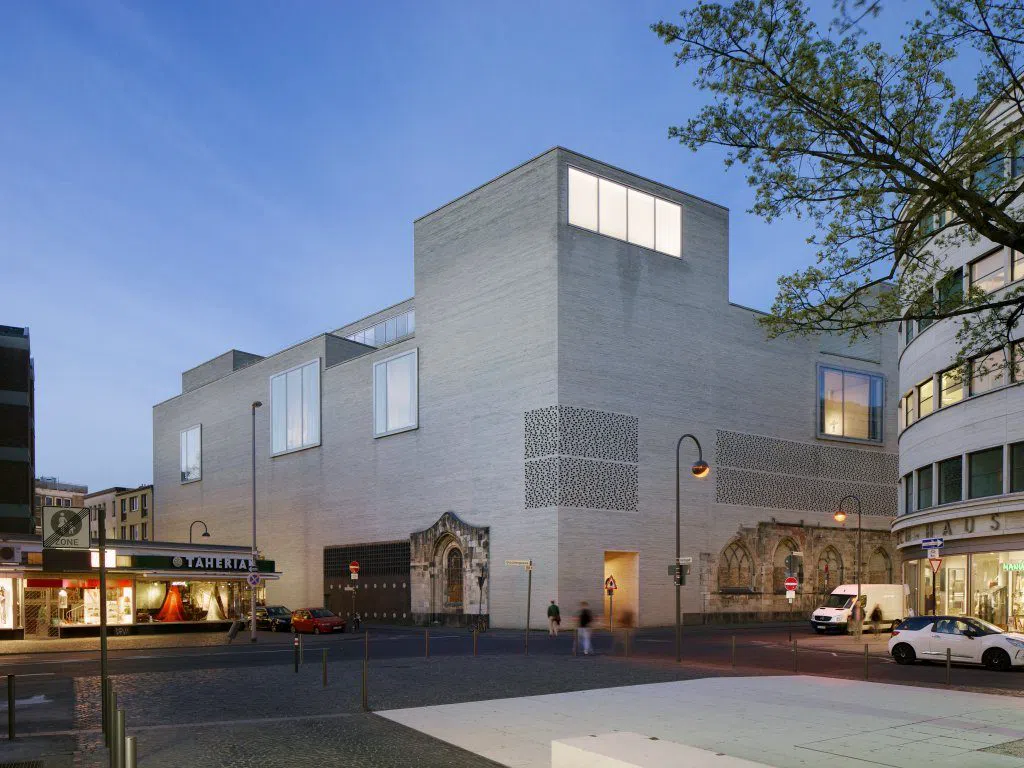
A five-minute walk away is the quietest, and to many the most affecting, room in the city. Kolumba (Altstadt) is the Archdiocese of Cologne's museum, built by Peter Zumthor over the ruins of a bombed Gothic church, and it is an architectural pilgrimage in its own right — a grey-brick tower rising from excavated foundations, with light handled as carefully as anything on the walls. Each year the museum takes down everything and rehangs a single, deliberately hushed exhibition that mixes Late Antiquity and medieval objects with contemporary art. Admission is €8. Note two practical things: it is phone-free and contemplative by design, so it suits solo visitors and couples far better than a large party, and it closes for the whole of November each year while the next hang is installed. Small groups are fine; a loud group of a dozen is not the point of the place. Go slowly. Sit in the excavation room. Kolumba is the argument for staying past the cathedral in a single building.
Plan your Cologne trip
Live prices from our booking partners.
Free cancellation on many rooms. We may earn a commission when you book.
The associations and the photographers
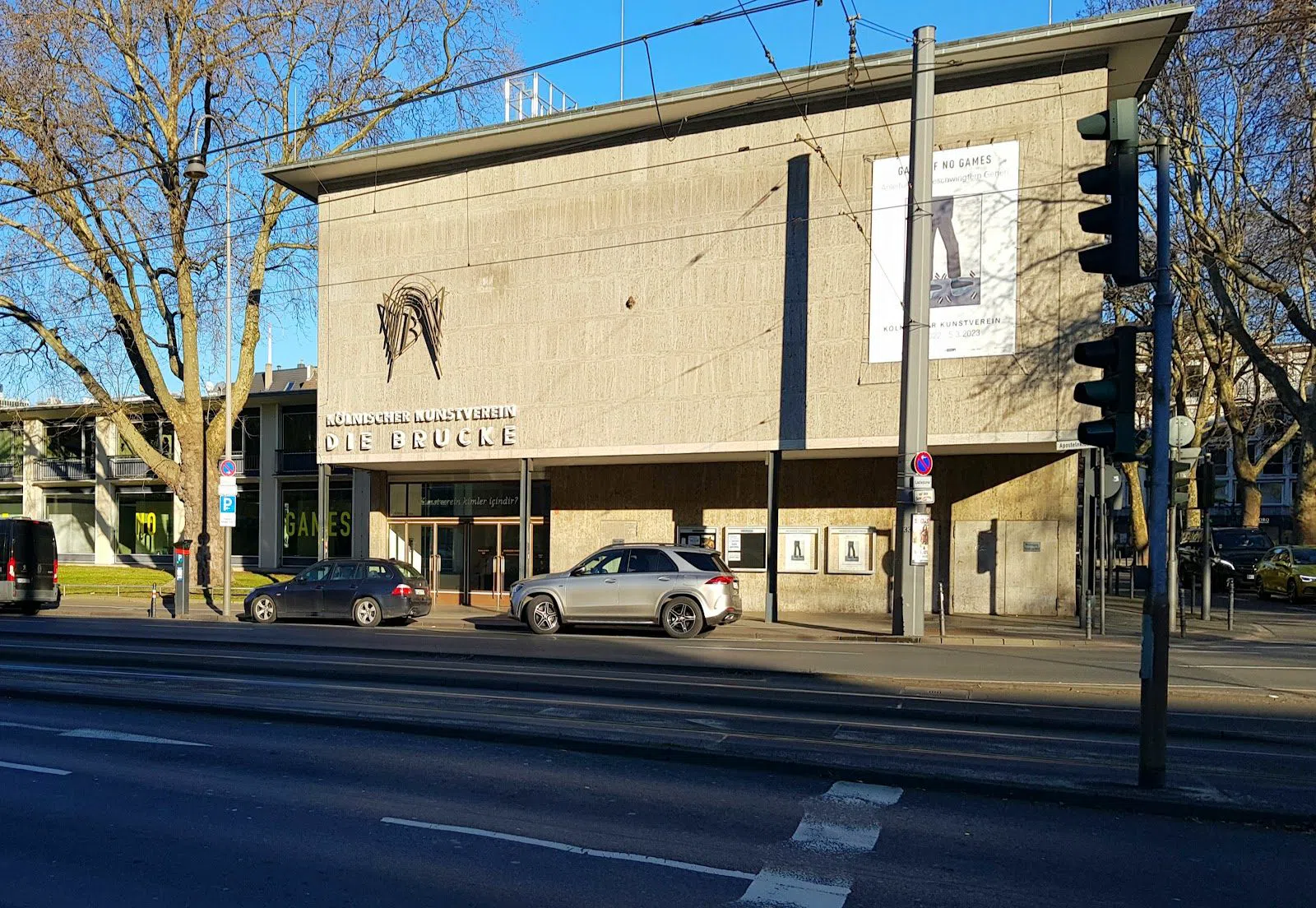
Cologne's art life has never been only about museums, and two institutions show why. Kölnischer Kunstverein (Neustadt, near the Friesenplatz ring) is one of the oldest and most historic art associations in Germany, and it functions as a reliable barometer of emerging positions — the place to see what the next generation is actually making rather than what the market has already sanctioned. Entry works on the association model: free, or a donation, with openings that pull genuine crowds. That makes it one of the most group-friendly stops on this list, and a good one to time around an opening if you want to feel the scene rather than just view it. The recent 'Eine Stadt als Atelier' show ran here into the summer of 2026; whatever has replaced it will be worth the detour.
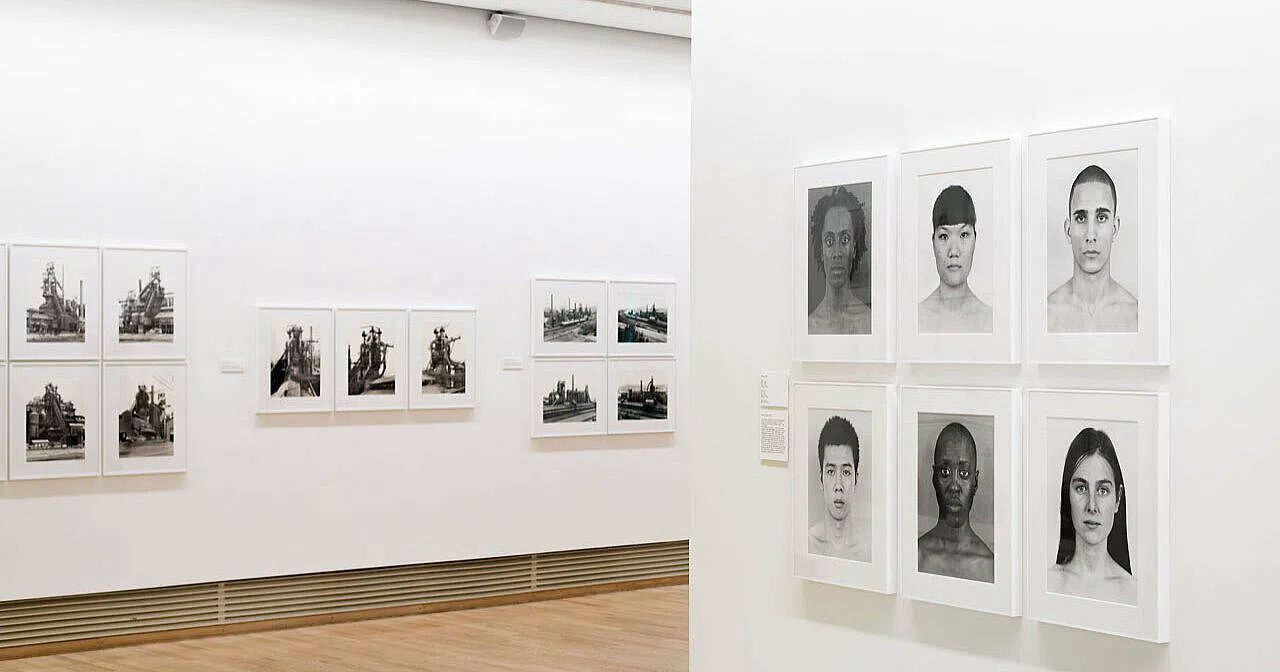
For a different kind of rigour, head to the Mediapark, the cluster of glass buildings north-west of the old town, where Die Photographische Sammlung / SK Stiftung Kultur keeps the August Sander archive — the vast, systematic portrait project 'People of the Twentieth Century' that remains one of the foundations of documentary photography. This is a serious stop for anyone drawn to documentary and conceptual image-making, mounting two or three sharp shows a year. Admission is €6, groups are welcome, and guided tours can be arranged on request. It is less crowded than the cathedral-side museums and, for the right visitor, more rewarding.
The commercial spine: Cologne's galleries
Cologne effectively invented the modern art fair, and its commercial gallery scene is not a sideshow — for many collectors and curators it is the reason to come. The good news for everyone else is that these galleries are free to walk into, and most are relaxed about visitors who are there to look rather than buy. A word on etiquette: keep your voice down, do not photograph works without asking, and understand that in the more intimate rooms a large group changes the atmosphere. With that in mind, the following make a natural half-day circuit, most of them clustered in and around the Altstadt.
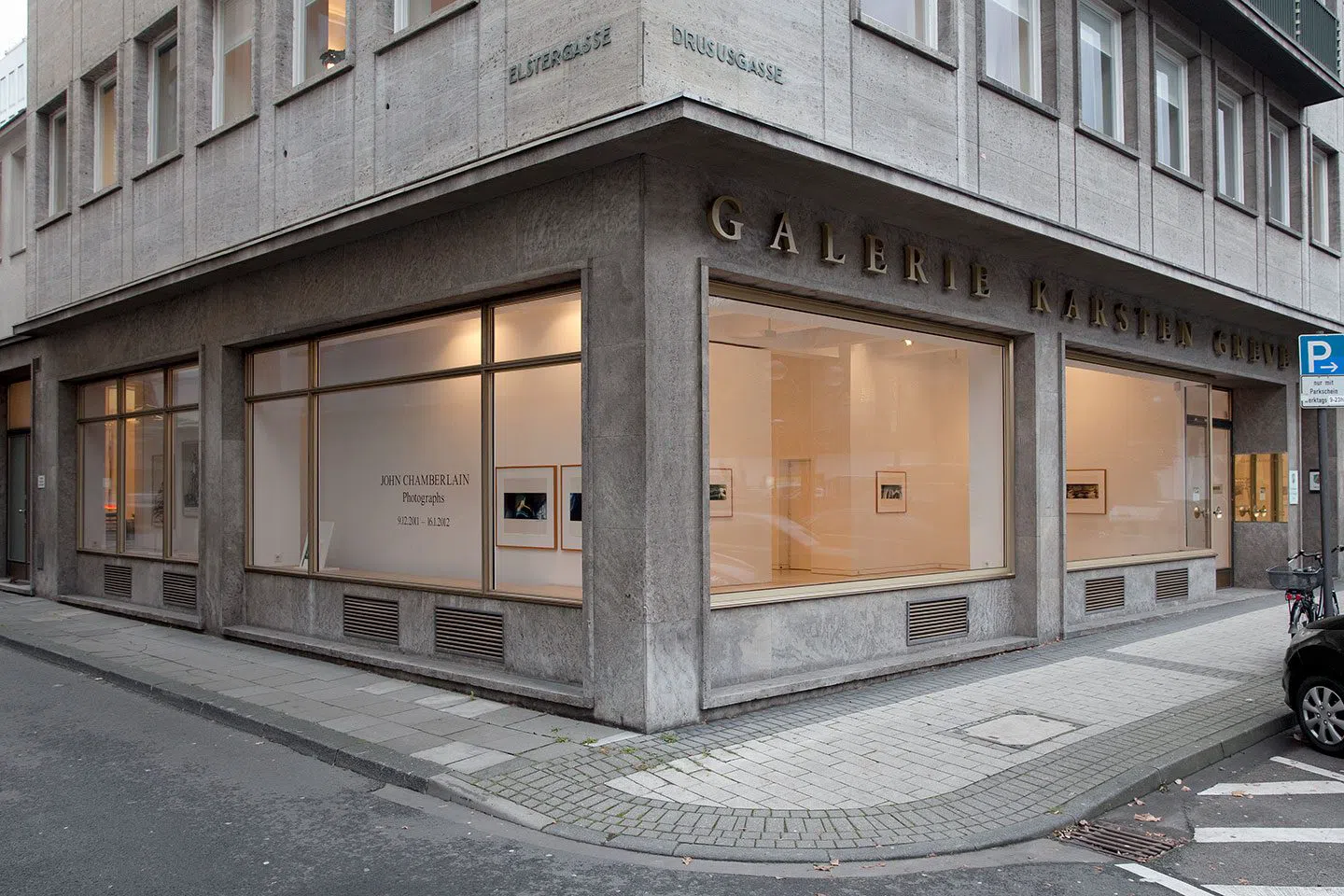
Galerie Karsten Greve (Altstadt) is the grandest of them — one of Cologne's largest gallery spaces, hushed and museum-like, showing post-war and contemporary heavyweights including Cy Twombly, Louise Bourgeois and Gotthard Graubner. Walk-ins and groups are welcome and there is no charge to view; treat it as you would a small museum. A short walk away, Galerie Gisela Capitain (Altstadt) has been a defining Cologne gallery since 1986, long tied to the legacy of Martin Kippenberger and still central to the international scene. It is more relaxed in tone than its stature suggests — free to enter, comfortable with groups.
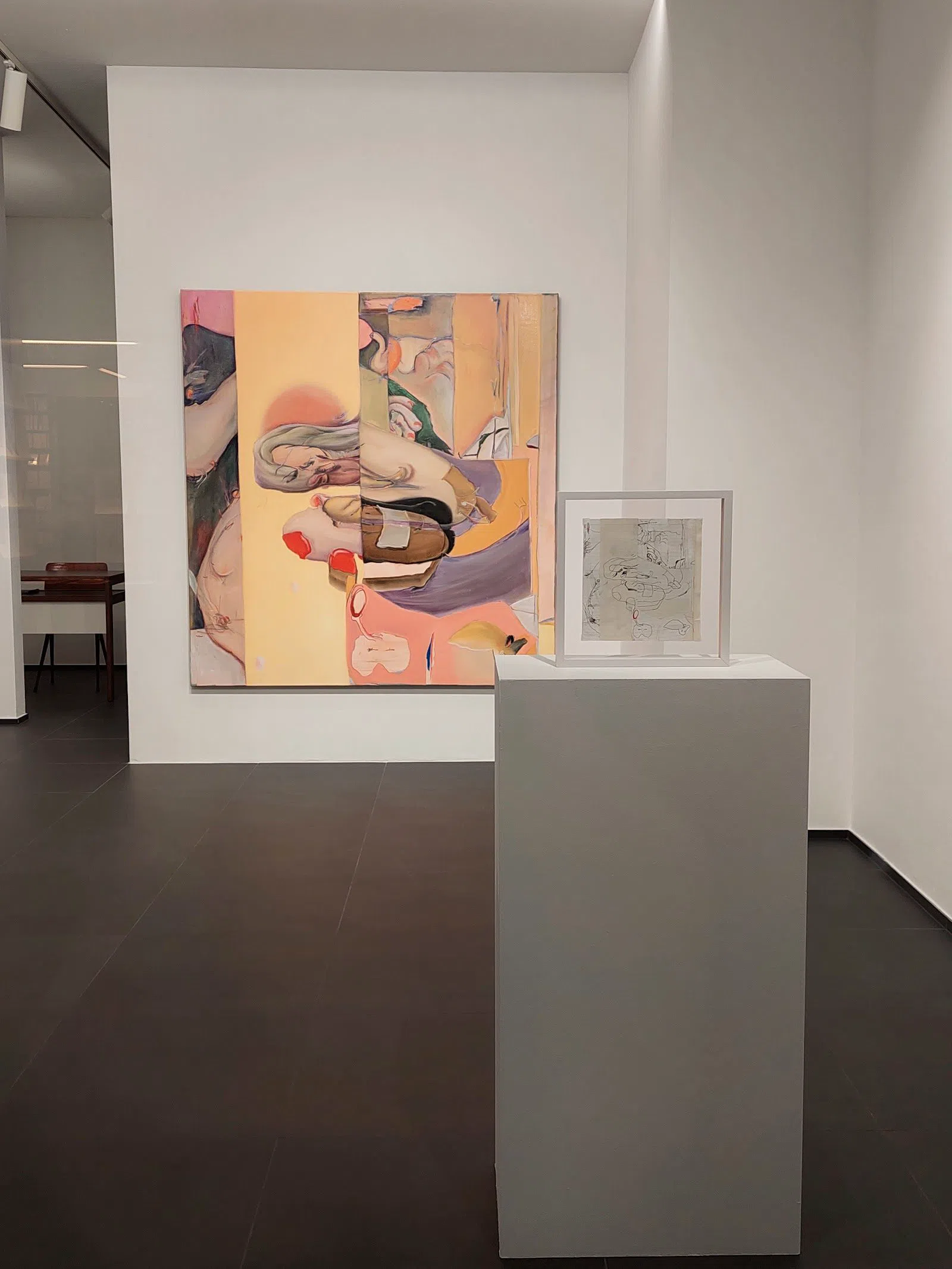
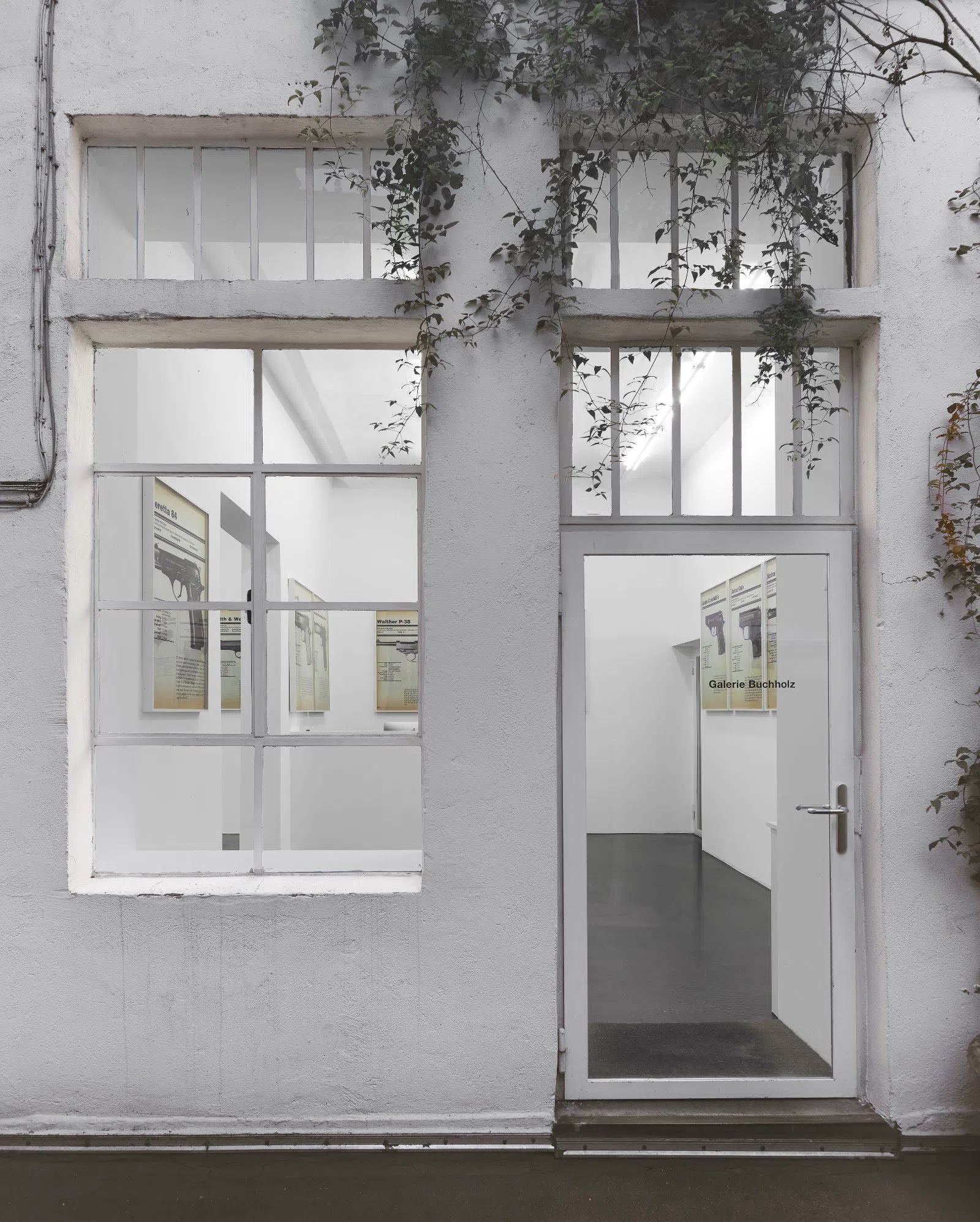
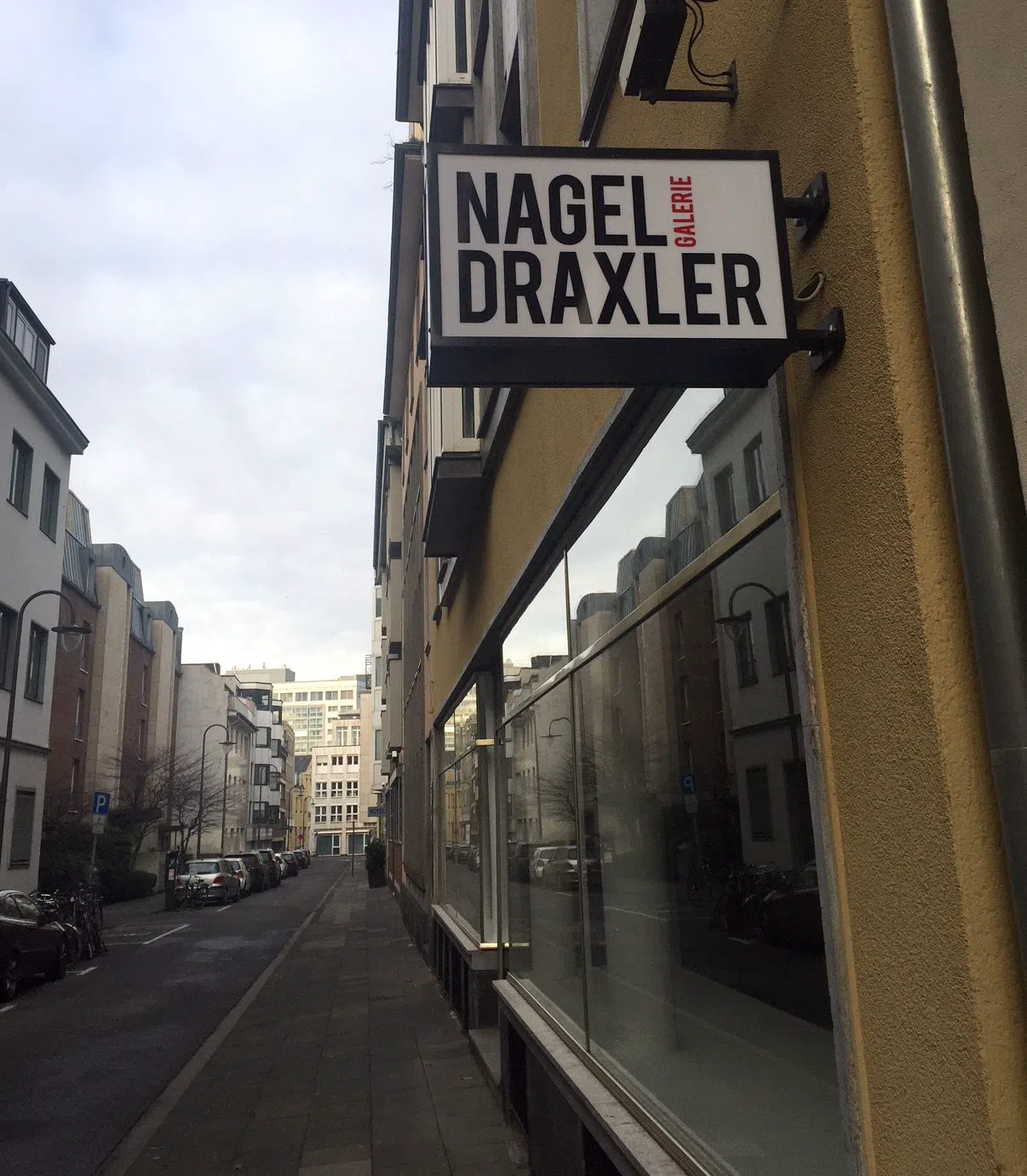
Galerie Nagel Draxler (Altstadt, near the opera) was founded in 1990 and leans conceptual and socially engaged, which makes it a deliberate counterweight to the blue-chip rooms nearby; entry is free and groups are welcome. Galerie Buchholz (Altstadt) is the one insiders name first: Daniel Buchholz's gallery, with spaces in Cologne, Berlin and New York, is arguably the city's most critically respected dealer and among the most influential in Europe. The Cologne rooms are intimate, so a small group works far better here than a large party — go in twos and threes, and take your time. Free to view, walk-ins welcome.
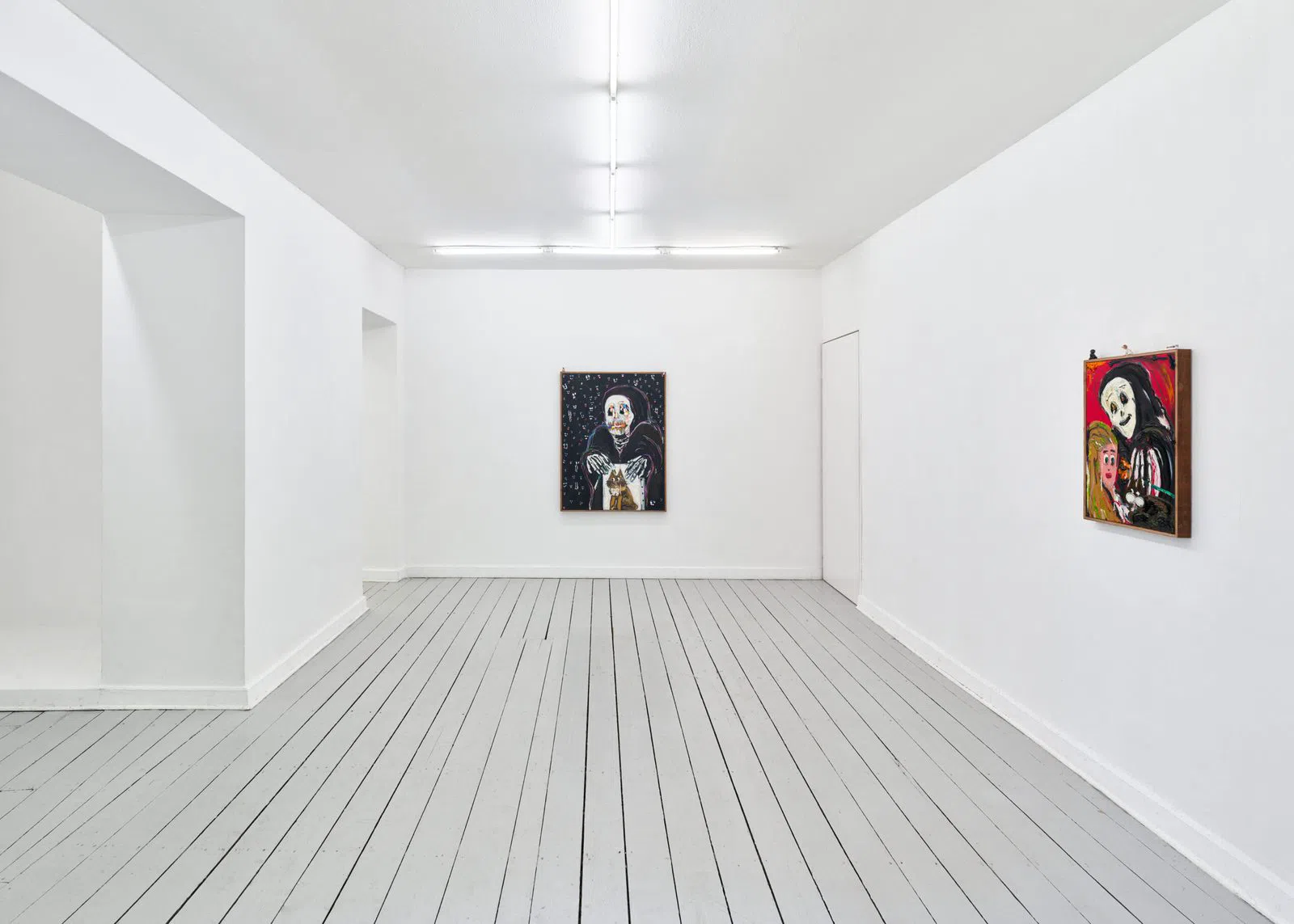
For a younger, looser register, Ruttkowski;68 (Belgisches Viertel — the Belgian Quarter) is the easiest entry point. It began in 2010 out of the underground and street-art scene and has since gone international, but it has kept a welcoming, social atmosphere; openings here feel like events rather than private views, and its POP;68 project space sits nearby. Free to view and genuinely group-friendly, it is the gallery to send anyone who thinks the commercial scene is not for them. The Belgian Quarter itself — cafés, independent shops, tree-lined streets around the Brüsseler Platz — is the most pleasant part of the city to wander between gallery visits, so build a coffee stop into the walk.
The experimental edge: off-spaces worth the effort
Beyond the market and the museums, Cologne keeps a smaller, more searching layer of art — the places that programme talks, screenings and shows that would never pay their way, and are more interesting for it. Temporary Gallery — Center for Contemporary Art (Neustadt-Süd, in the Kwartier Latäng student quarter) is city-funded but genuinely experimental, pairing exhibitions with a strong discursive and film programme and its recurring 'Nesting' event weekends. Entry is free or by donation, and small-to-mid groups are fine. This is the thinking traveller's stop — come for a screening or a talk rather than just the walls, and check the programme before you go, because the events are the point.
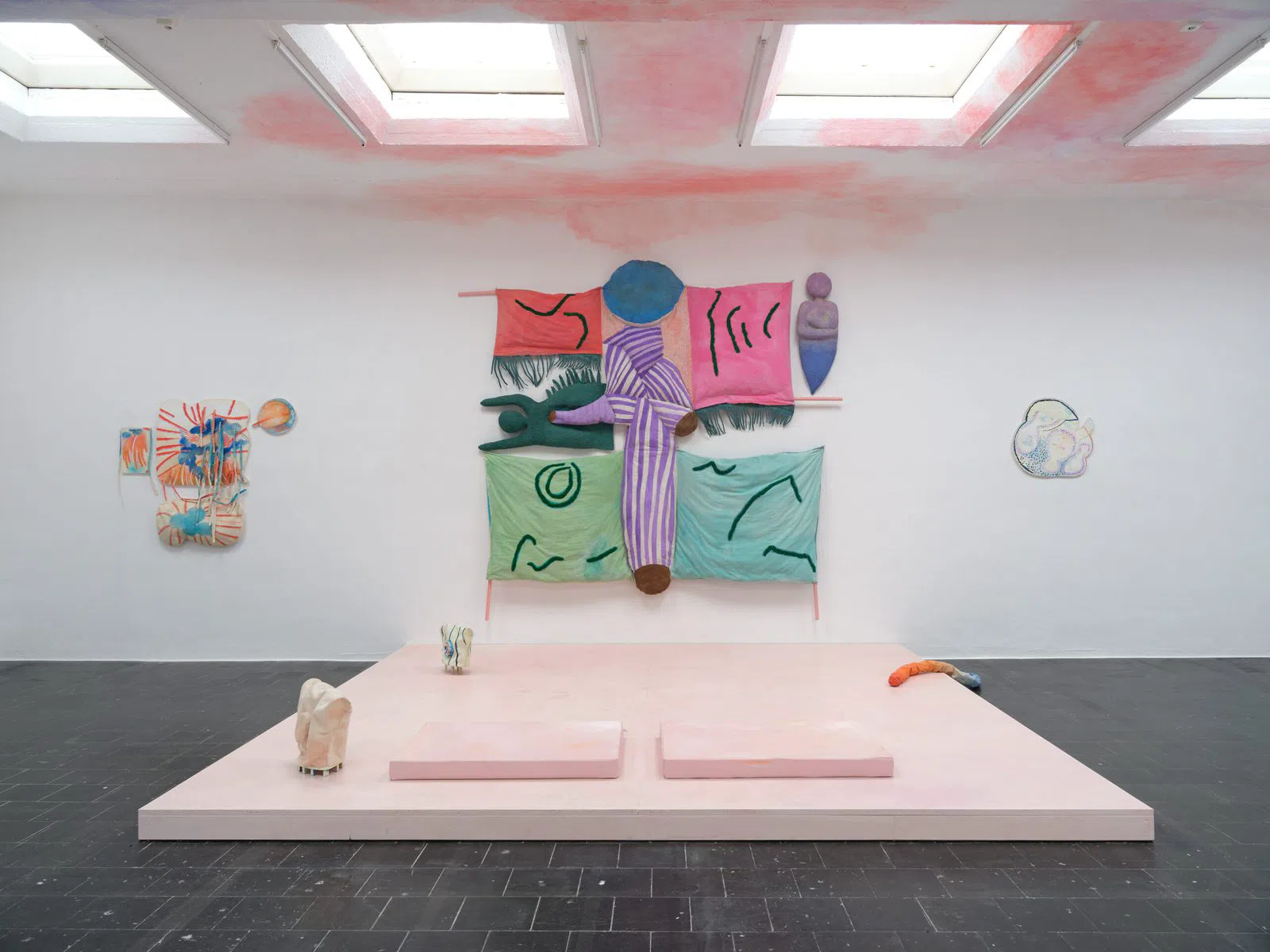
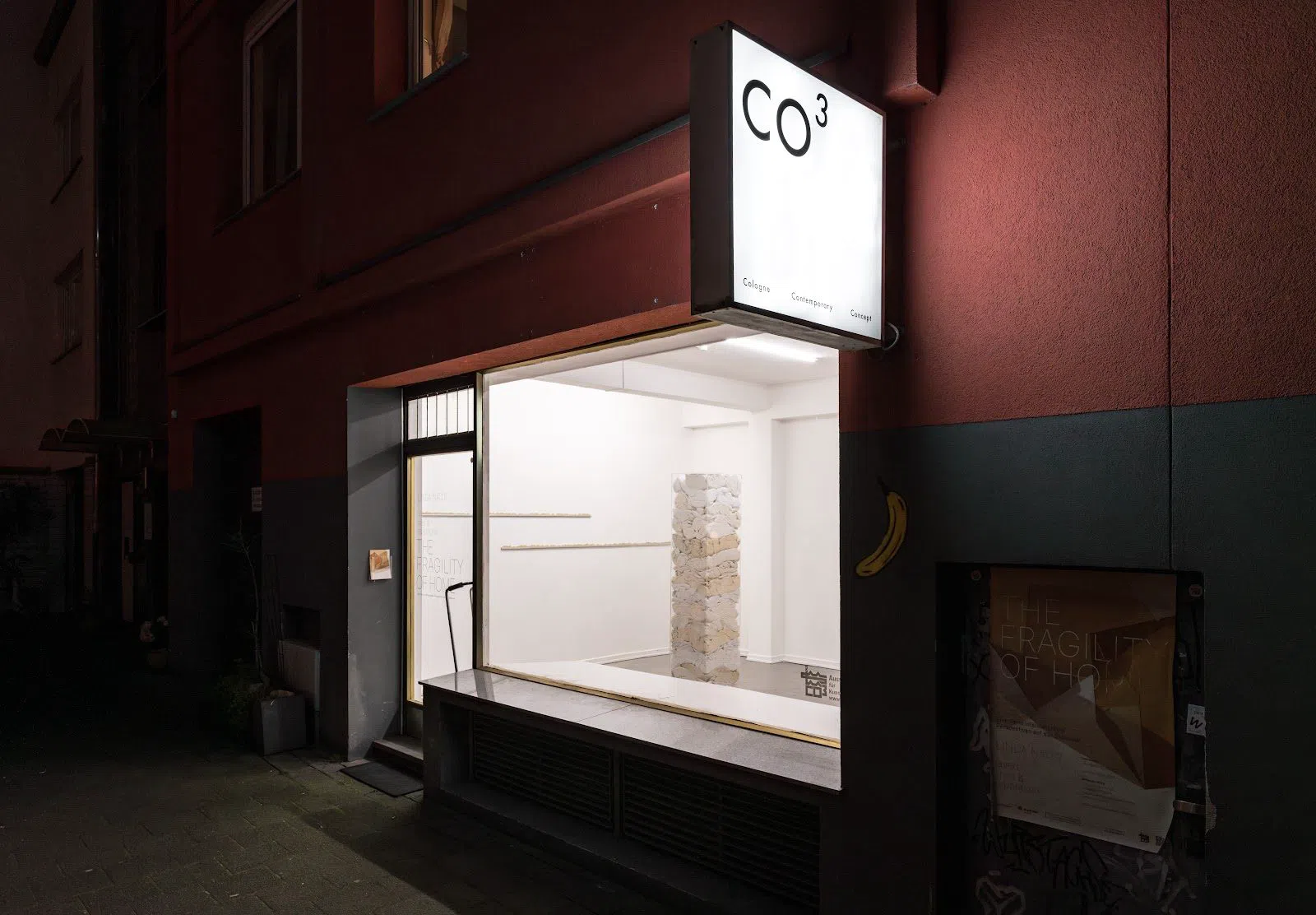
Smaller still is CO³ — cologne contemporary concept (Neustadt), founded in 2021 by Leila Cheraghi as a non-profit platform and mentorship space for up-and-coming artists. It is intimate off-space rather than institution, and it is where to catch the city's next generation before anyone else does. Best visited in modest numbers — this is a single room run on goodwill, not a museum with cloakrooms — and free, or by donation. If you have spent your morning among Twombly and Bourgeois, an hour here is a useful corrective: the same city, thirty years earlier in an artist's career.
Art in the open air
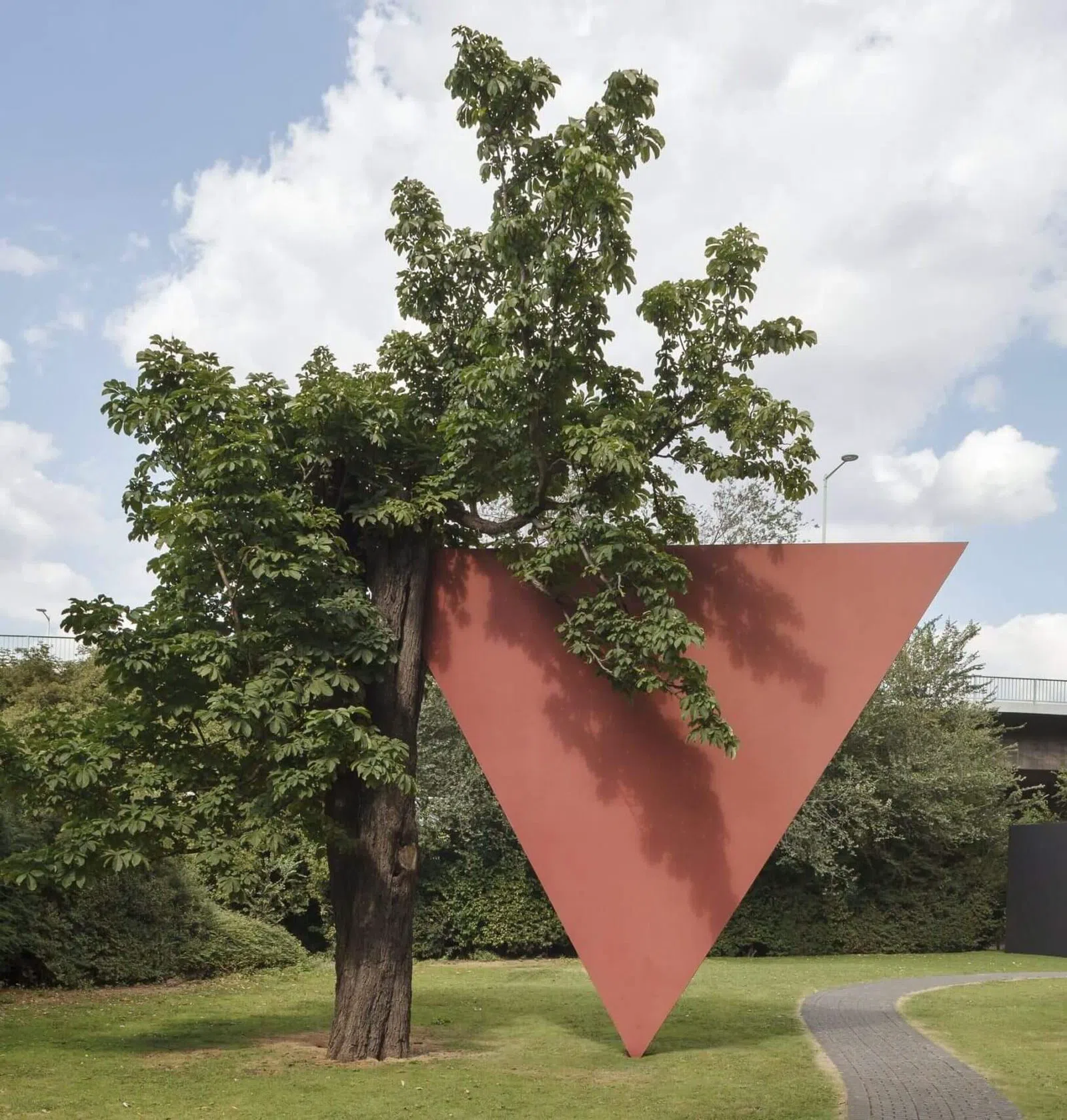
When the museums start to blur together, the antidote is a short trip north to Riehl, the leafy district by the Rhine near the zoo, where Skulpturenpark Köln offers the easiest win of the whole circuit. It is a free, open-air sculpture park with a biennial hang — a rotating selection of major outdoor works, changed every two years, spread across open lawns you can walk at your own pace. There is no ticketing, no queue and no bottleneck; it is open every day of the year. For a group wanting art without the discipline of a gallery, or for a family, or simply for an afternoon of fresh air with something to look at, this is the obvious choice. Combine it with a walk along the river back towards the old town and you have a full, low-effort half-day.
Time it right: the fair
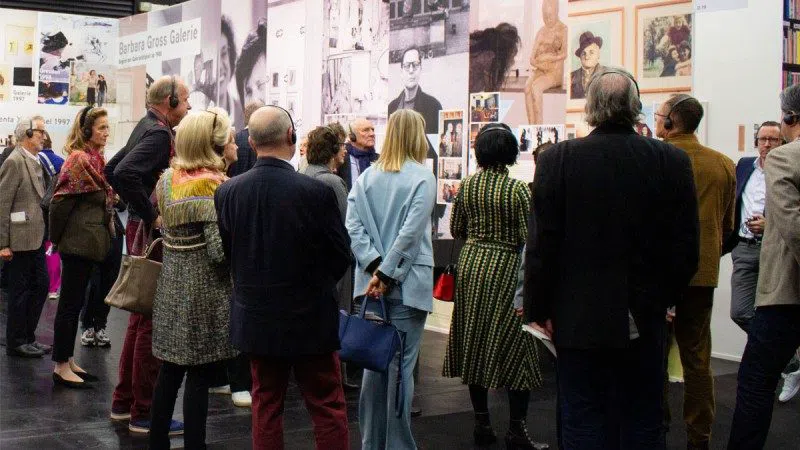
One stop is worth reorganising a trip around, if the dates line up. ART COLOGNE (Deutz, at the Koelnmesse exhibition grounds across the Rhine) is the world's original art fair, and its 59th edition runs from 5 to 8 November 2026 — four days only. It is built for crowds, with ticketed timed entry and a day pass in the region of €30 to €40. If you are serious about the commercial scene, timing your visit to the fair means seeing hundreds of galleries in one hall alongside a city already primed for it, with openings and events across the galleries above. But it genuinely runs only those four days, so check the dates before you book anything; outside that window the halls are shut and the city's art life reverts to the museums and galleries described here — which is no hardship.
Practical notes
Getting around. The art you want is walkable. Museum Ludwig, Kolumba and the Altstadt galleries sit within fifteen minutes of the Hauptbahnhof on foot; the Belgian Quarter, the Kunstverein and Temporary Gallery are a short tram ride or a pleasant twenty-minute walk out along the ring. For the Mediapark, Riehl's sculpture park and the fair grounds in Deutz, use the KVB tram and U-Bahn network — a day ticket is the simplest option and covers everything here. Buy tickets from the machines on the platform and validate if required; services run late.
Cash and cards. Germany still runs on cash more than visitors expect. Museums and the fair take cards, but the smaller off-spaces, some café stops and the occasional gallery bookshop may be cash-only, so carry a modest amount of euros. Nothing on this list costs more than €12 to enter except the fair, and a good half of it is free.
Timing. Most galleries keep Tuesday-to-Saturday hours and close on Mondays, as do the museums; the sculpture park is the exception, open daily. Two closures to plan around: Kolumba is shut for the whole of November between hangs, and the Kusama rooms at Museum Ludwig need a pre-booked timed slot through August 2026. Openings — usually Friday evenings — are the best time to feel the scene, but the worst time for a quiet look at the work.
Budget. A serious two-day art trip here is inexpensive by European standards: reckon on €30 to €40 in total admissions if you visit the paid museums, nothing at all for the galleries, off-spaces and sculpture park, and the rest of your budget going on a good hotel and better food. For where to stay within walking distance of the cathedral-side museums, use the Cologne hotel search and prioritise the Altstadt or the Belgian Quarter — both put the whole circuit on your doorstep.
The cathedral will still be there when you leave. But give the city its due, and Cologne turns out to be one of the quiet great art towns of Europe — the scene Germany, for whatever reason, never made a fuss about.
Before you go
What are the must-see art museums in Cologne beyond the cathedral?
Museum Ludwig, directly behind the cathedral, is the anchor for Pop Art, Picasso and post-war modernism (€12; time-slotted for its Kusama show through August 2026). A few minutes away, Kolumba, the Archdiocese's museum in a Peter Zumthor building, is €8 and unmissable — though it closes each November between hangs.
Can I visit Cologne's commercial art galleries for free?
Yes. Galerie Karsten Greve, Gisela Capitain, Nagel Draxler, Buchholz and Ruttkowski;68 are all free to walk into and generally relaxed about visitors who come to look. Keep your voice down, ask before photographing, and note that the more intimate rooms — Buchholz especially — suit small groups better than large parties.
When is ART COLOGNE 2026 and is it worth planning a trip around?
ART COLOGNE, the world's original art fair, runs its 59th edition from 5 to 8 November 2026 at the Koelnmesse grounds in Deutz. A day ticket is roughly €30–40 with timed entry. It's worth timing a trip around if you're serious about the commercial scene, but it runs only those four days, so confirm the dates before booking.
Which Cologne art venues are best for groups versus couples?
For groups: the Kölnischer Kunstverein, Skulpturenpark Köln and Ruttkowski;68 are welcoming and low-friction. For couples or solo visitors who want quiet, Kolumba is phone-free and contemplative, and the small off-space CO³ is best in modest numbers. Museum Ludwig handles both, with bookable guided tours.
Do I need cash to visit galleries and museums in Cologne?
Museums and the fair take cards, but Germany still runs heavily on cash, and some smaller off-spaces, gallery bookshops and café stops may be cash-only. Carry a modest amount of euros. Admissions are low — nothing here tops €12 except the fair, and much of the gallery and sculpture-park circuit is free.