The Cologne issue
Cologne's Parks and Forests from the Rhine to Königsforst
Cologne's parks, riverbanks and forests one walk at a time, with the opening hours, fares and group sizes that decide where you end up.
By Bram HendriksSlow walks, Romanesque churches and the city beyond the Dom
Most of Cologne's green space is inherited military ground. The Prussian army ringed the city with forts and kept the land around them clear, and when the rings came down the city planted them instead. That is why the left bank carries 120 hectares of parkland in an arc through its middle, and why you can be under trees ten minutes after leaving the cathedral steps. The right bank is simpler: a park on the water with the whole skyline in front of it, and a working forest twenty minutes further east.
The right bank holds the view
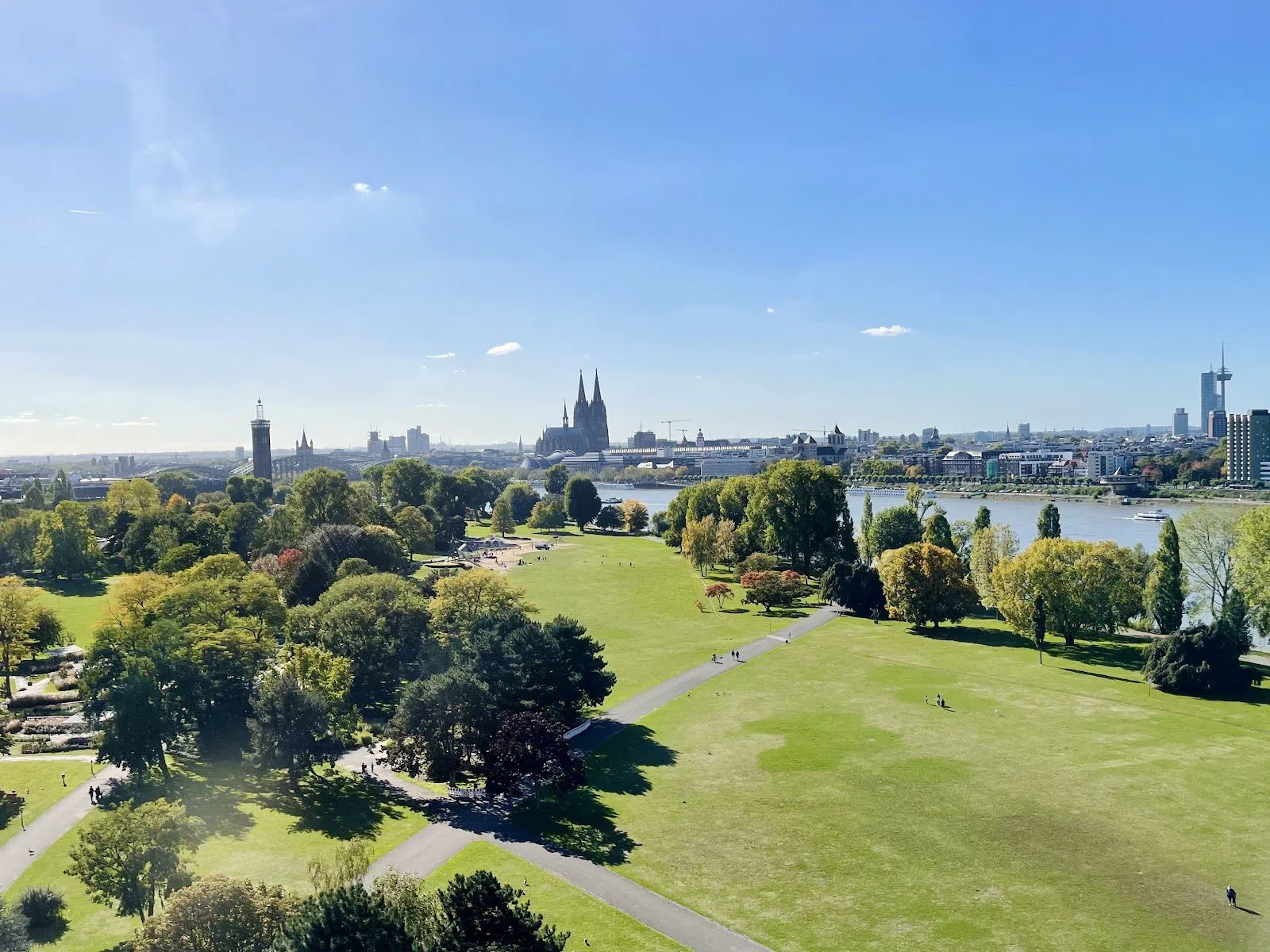
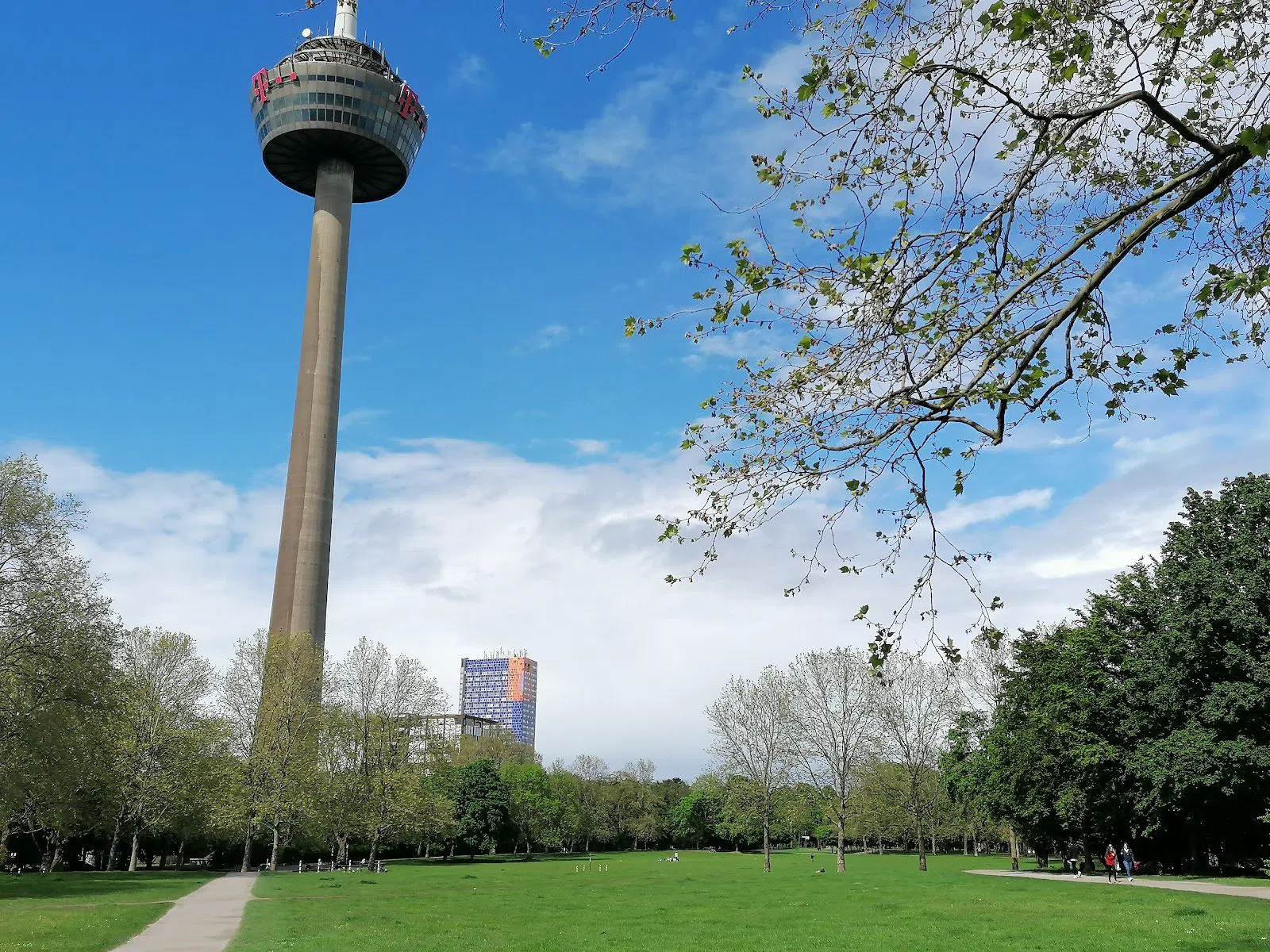
Rheinpark (Deutz) is where a first walk should start. There is no gate, no ticket and no cap on how many of you turn up, and it holds the cathedral-and-river panorama the left bank cannot give you, because on the left bank you are standing inside the picture. The Tanzbrunnen arena within the park seats up to 12,500 and takes bookings for organised events, so if you arrive to find fencing and stage trucks, that is an event rather than a closure. Deutz station is a five-minute walk from the lawns, which is worth knowing in October: the marathon starts from that side of the river.
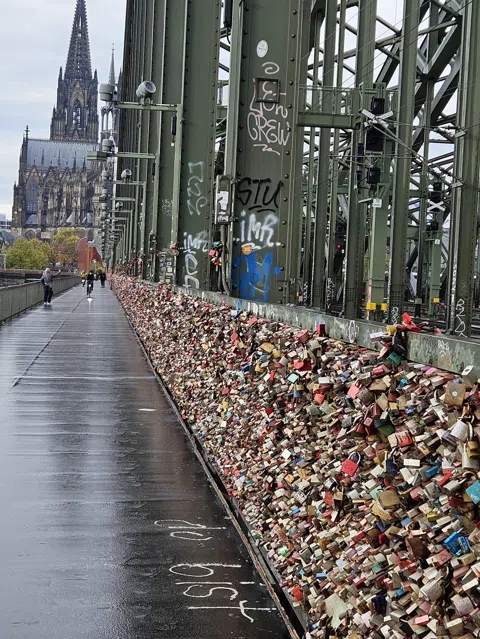
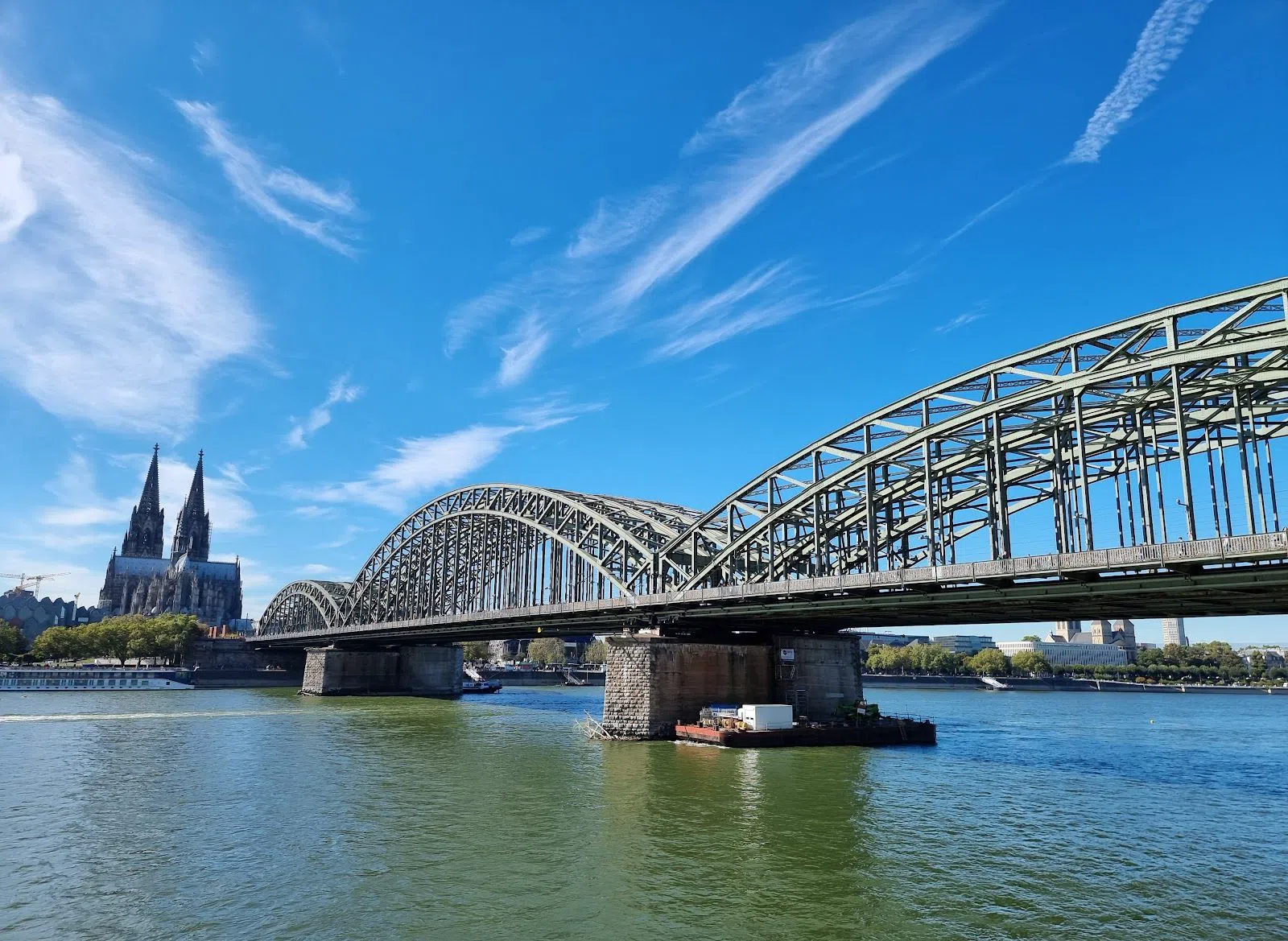
Downstream from the park, the same bank flattens into Rheinboulevard Deutz (Deutz), the Freitreppe: a wide flight of stone steps running down to the water with seating for something like 10,000 people. It is free, it faces west, and it is the least complicated place in the city to park a large group at sunset without booking anything or annoying anybody. The walk from the cathedral across the Hohenzollern bridge takes about ten minutes, past the padlocks, and delivers you to the top of the steps.
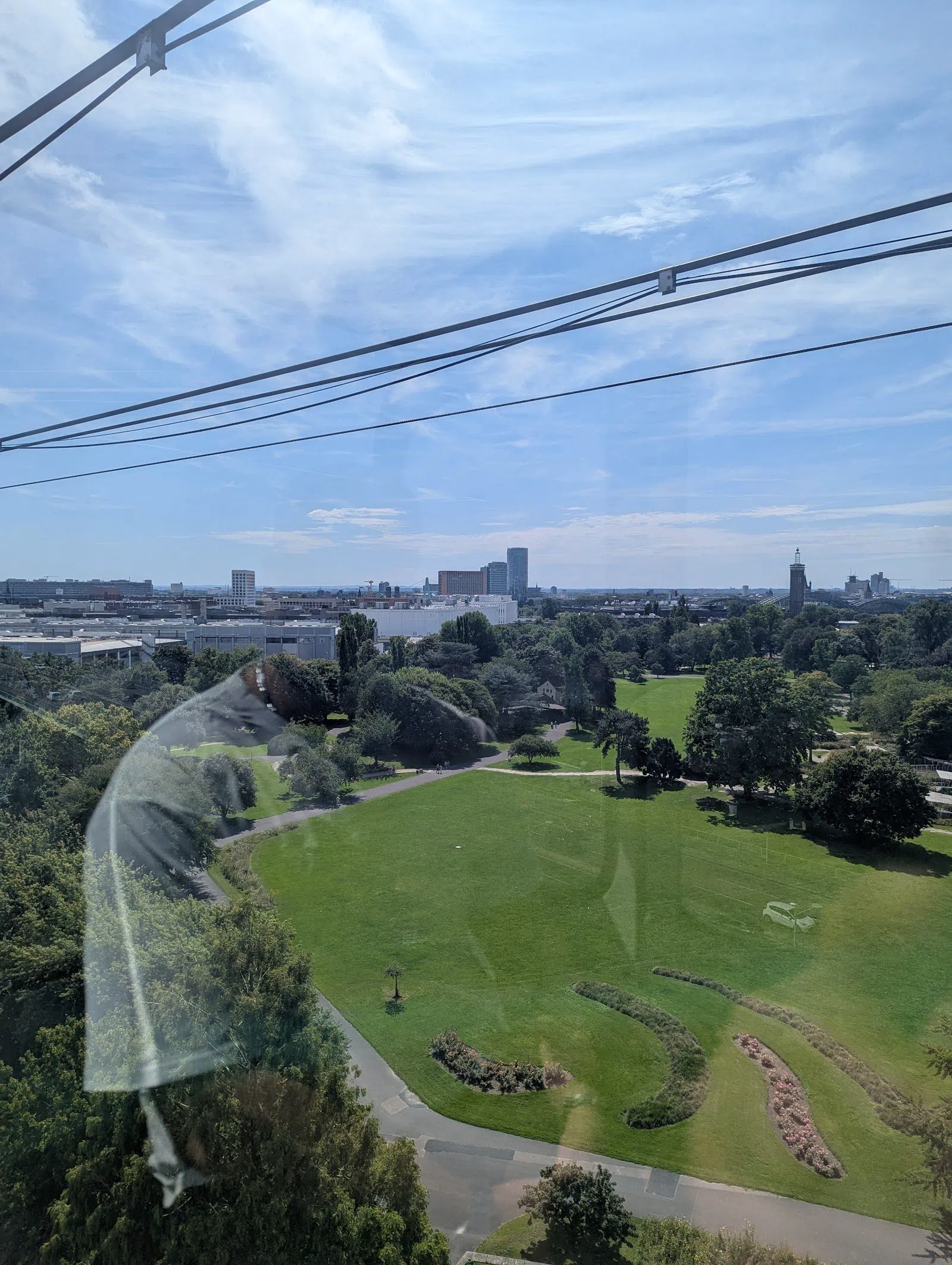
Kölner Seilbahn (Riehl to Deutz) crosses the river between the two banks and was the first cable car in Europe built over a river. Adult fares are €5.50 one-way and €9.50 return; groups get a discount from four people and a deeper one at 17 or more and for school classes, in the €4.00 to €6.50 band. It runs daily 10:00 to 18:00 with last boarding at 17:45, and the 2026 season closes in early November, which makes October the last call before the Advent weekends. Gondolas take four, so a party of ten rides in three cabins and reassembles at the far station.
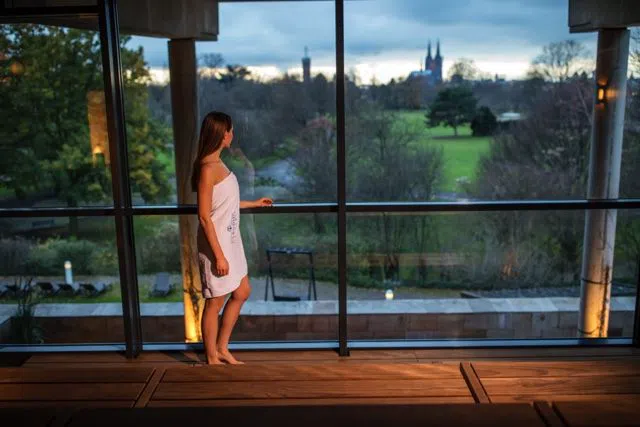
The recovery stop is inside Rheinpark itself. Claudius Therme (Deutz) charges €19.50 for two hours up to €39.50 for a day pass, with the sauna level a further €8, and opens daily from 09:00 to midnight. It takes groups and sells company packages, but it is an adults-oriented quiet house and the sauna floor is textile-free; a loud party of twelve will be the wrong fit for the room and will be told so. For two people after a long Rhine walk, or for legs that have just run 42 kilometres, it is the obvious thing to do with an afternoon.
Plan your Cologne trip
Live prices from our booking partners.
Free cancellation on many rooms. We may earn a commission when you book.
The gardens at Riehl
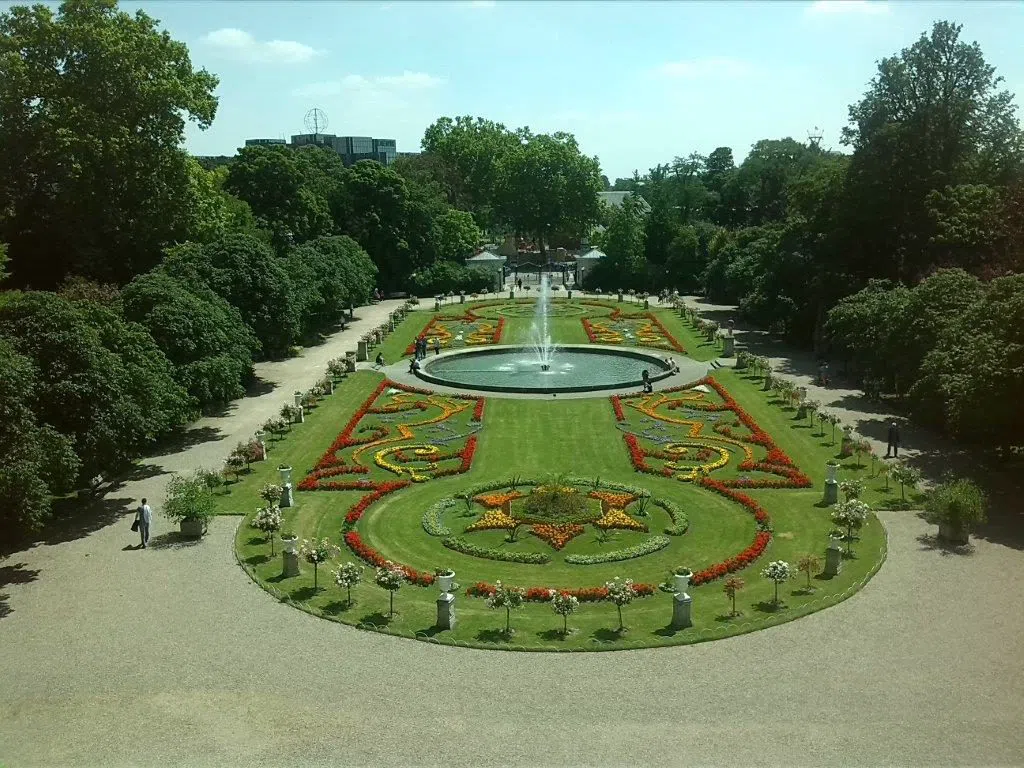
Flora und Botanischer Garten Köln (Riehl) is free, unticketed and about ten minutes from the cathedral by tram. It sits next to the zoo and the left-bank cable-car station, so the three can be done as one loop without a car. Groups walk straight in and guided tours are bookable in advance. Two caveats for a 2026 visit: the subtropical house is out of action with a technical fault, and the glasshouses drop to short winter hours from November, so the outdoor beds and the historic hall are what you are coming for after autumn sets in.
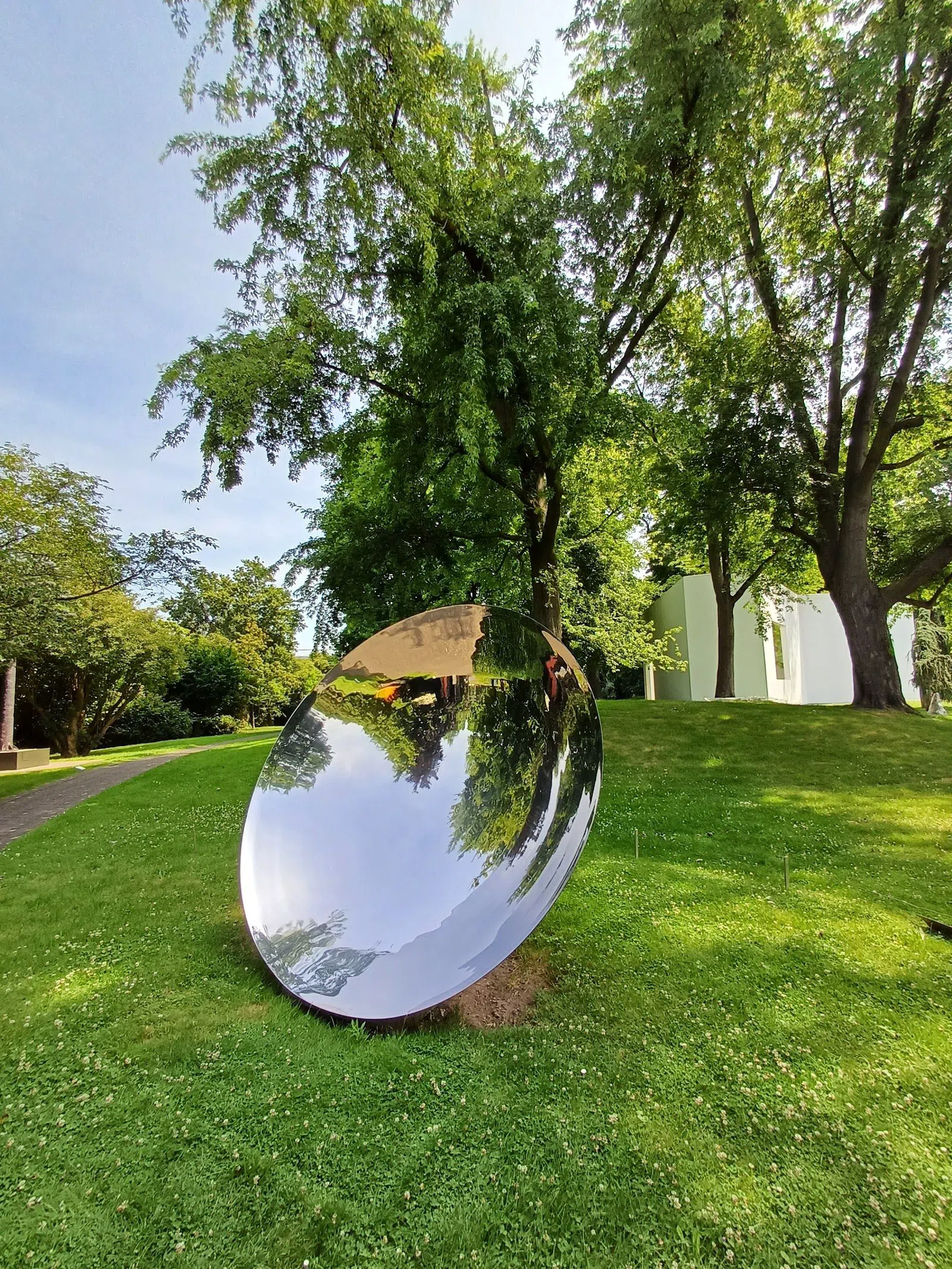
A few minutes away, between the zoo and the river, Skulpturenpark Köln (Riehl) is an open-air museum that most first-time visitors walk past without registering it exists. Entry is free and groups are fine; paid guided tours cost €8, or €2 concession, and there is a public tour on the first Sunday of the month at 15:00. It is between temporary exhibitions at the moment, so what you see is the permanent collection, still worth an hour. Check the day before you set off: it closes on Mondays, and it is far enough from anything else to make a wasted trip genuinely irritating.
The Prussian ring and the Südstadt
Innerer Grüngürtel & Aachener Weiher (Neustadt-Süd and Lindenthal) is the 120-hectare belt laid out on the old fortification ring under Adenauer, and it is where people in this city actually run. There are no restrictions, no gates and no closing time; the lawns by the Aachener Weiher are the default meeting spot, and the beer garden there handles groups without fuss. The marathon route crosses this side of town, so if you are in Cologne on the first weekend of October and want to watch rather than run, this is the civilised place to stand.
Volksgarten (Südstadt) is the park the neighbourhood uses daily: 14 hectares built over a Prussian fort, with a pond, wide lawns that absorb large picnic parties, and the Orangerie theatre back in use after its renovation. The Hellers beer garden takes reservations and groups, with drinks from about €4, and stays open into the autumn, which in practice means blankets and gas heaters rather than shirtsleeves by late October.
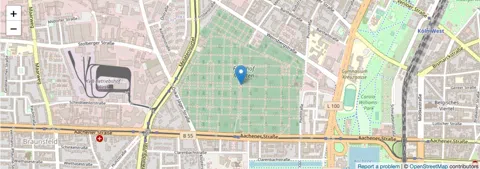
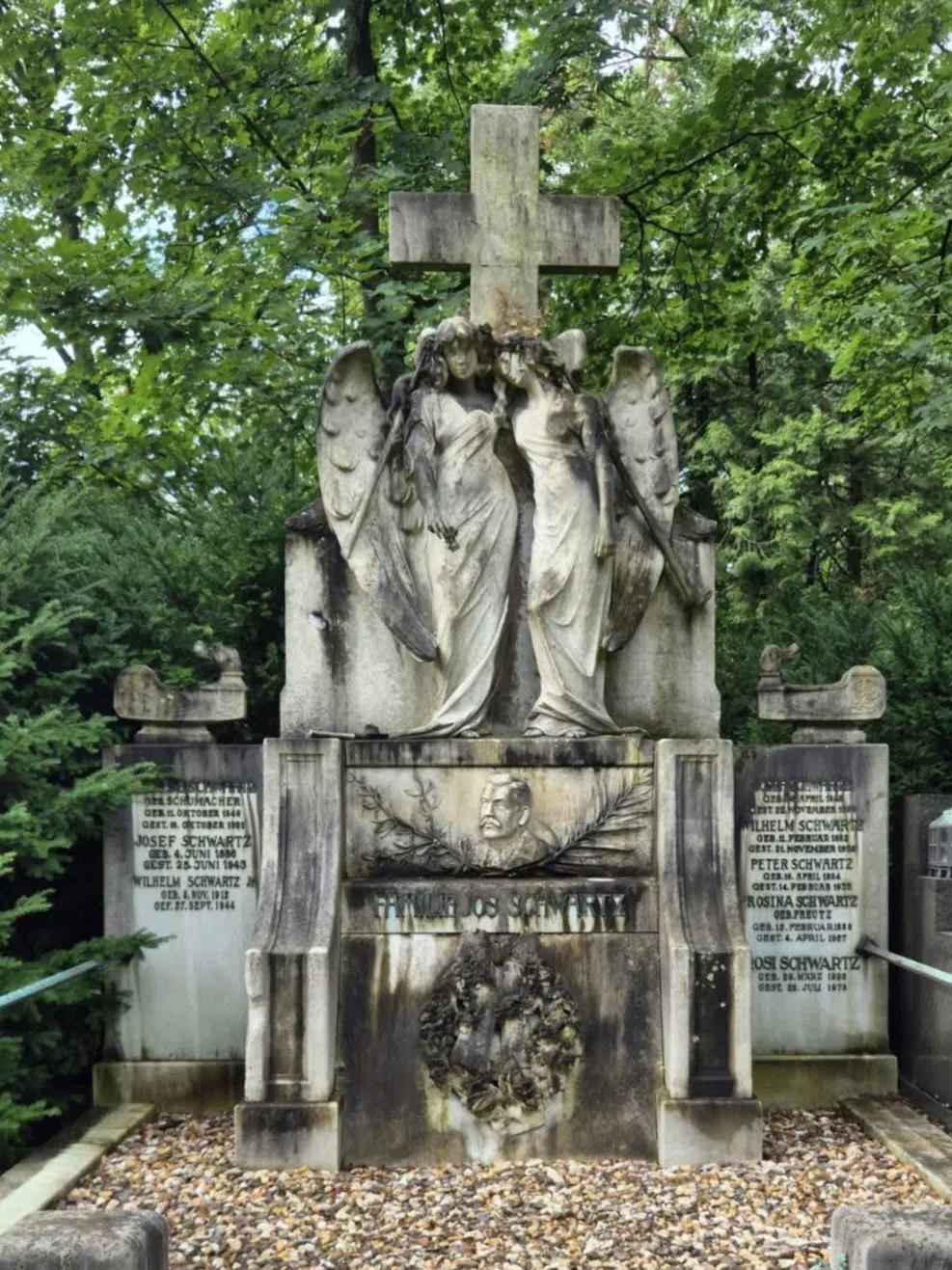
Melatenfriedhof (Lindenthal) reads as a park rather than a cemetery, which is what a grand nineteenth-century burial ground on this scale tends to do: roughly 55,000 graves under mature trees, and more than forty recorded bird species. Guided tours in German leave regularly from the Aachener Straße entrance opposite number 249, cost around €14 and are barrier-free. It is included here as a quiet walk, and the etiquette follows from that. Go in twos and threes, not in a party of fifteen, and keep the volume where you would want it if it were your family in the ground.
Lindenthal's forest, lake and deer
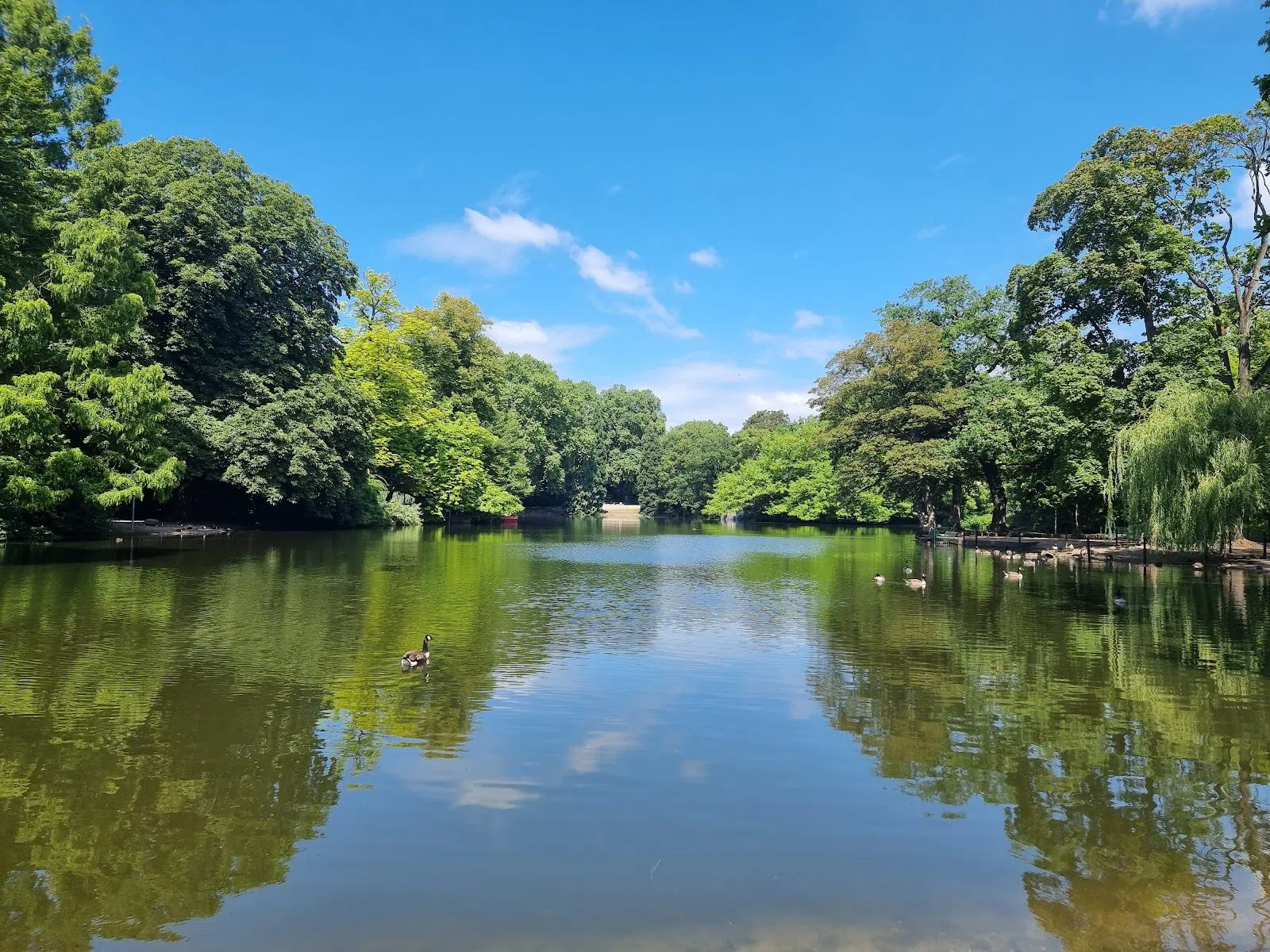
Kölner Stadtwald & Decksteiner Weiher (Lindenthal) is the largest woodland inside the city limits and the standard long-run route for anyone training here. The loop around the lake is flat, lit at the edges and easy to extend into the woods when you need extra distance. Haus am See takes table bookings for groups, and rowing boats go out at about €9 an hour, which makes it one of the few genuinely cheap things to do with children on a bright afternoon.
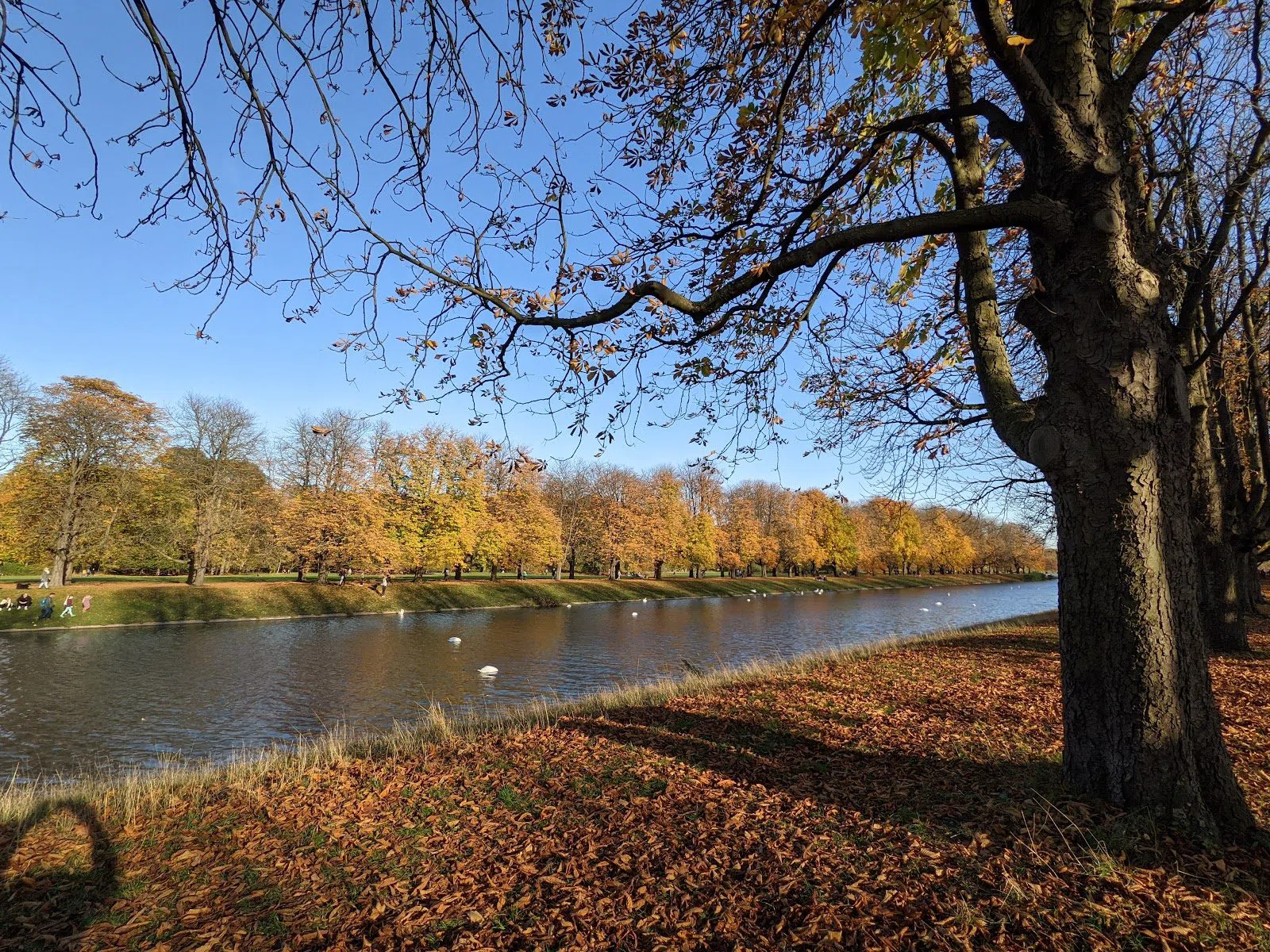
Set inside the same woodland, Lindenthaler Tierpark (Lindenthal) is ten hectares holding roughly 250 animals with no admission charge and no ticket office. It is the easiest wildlife stop in the city for families or a mixed-ability group, since the paths are short and level and nobody has to commit to a full forest walk. It is a quiet animal park rather than a zoo, so keep the noise down near the enclosures and expect the deer to be more interesting than they sound on paper.
October colour at Rodenkirchen
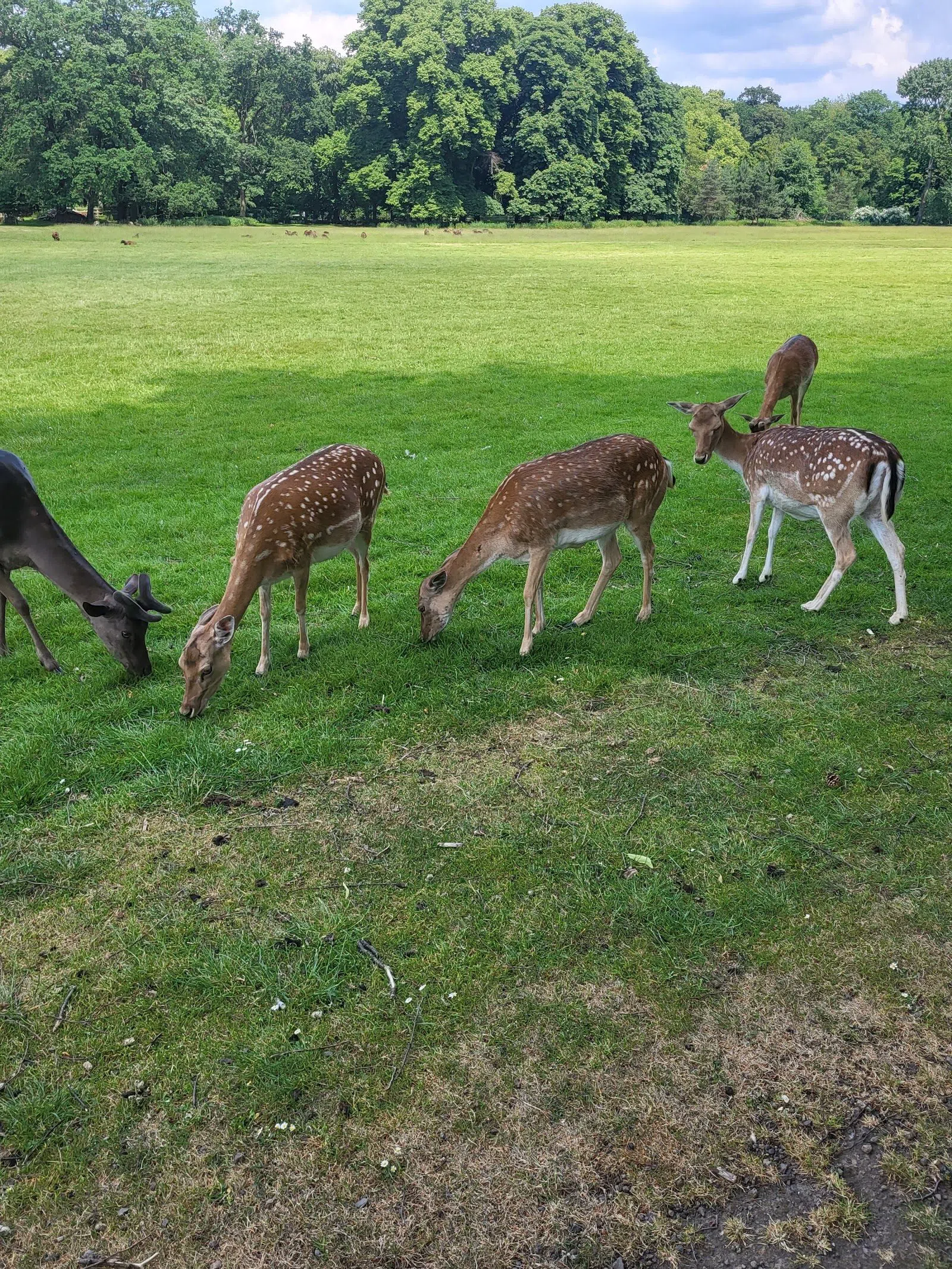
Forstbotanischer Garten und Friedenswald (Rodenkirchen) is where the autumn colour is. The Japanese maples peak through October, and the adjoining 20-hectare Friedenswald is planted with trees from countries Germany held relations with, a piece of post-war municipal thinking that has aged into a very good walk. Entry is free, groups are fine, and it opens daily 09:00 to 18:00 in October. Guided tours run on the first Wednesday of the month at 14:30 and the third Saturday at 15:00. Come mid-morning on a still day; the light through the maples is the whole point and it does not survive rain well.
Real forest east of the river
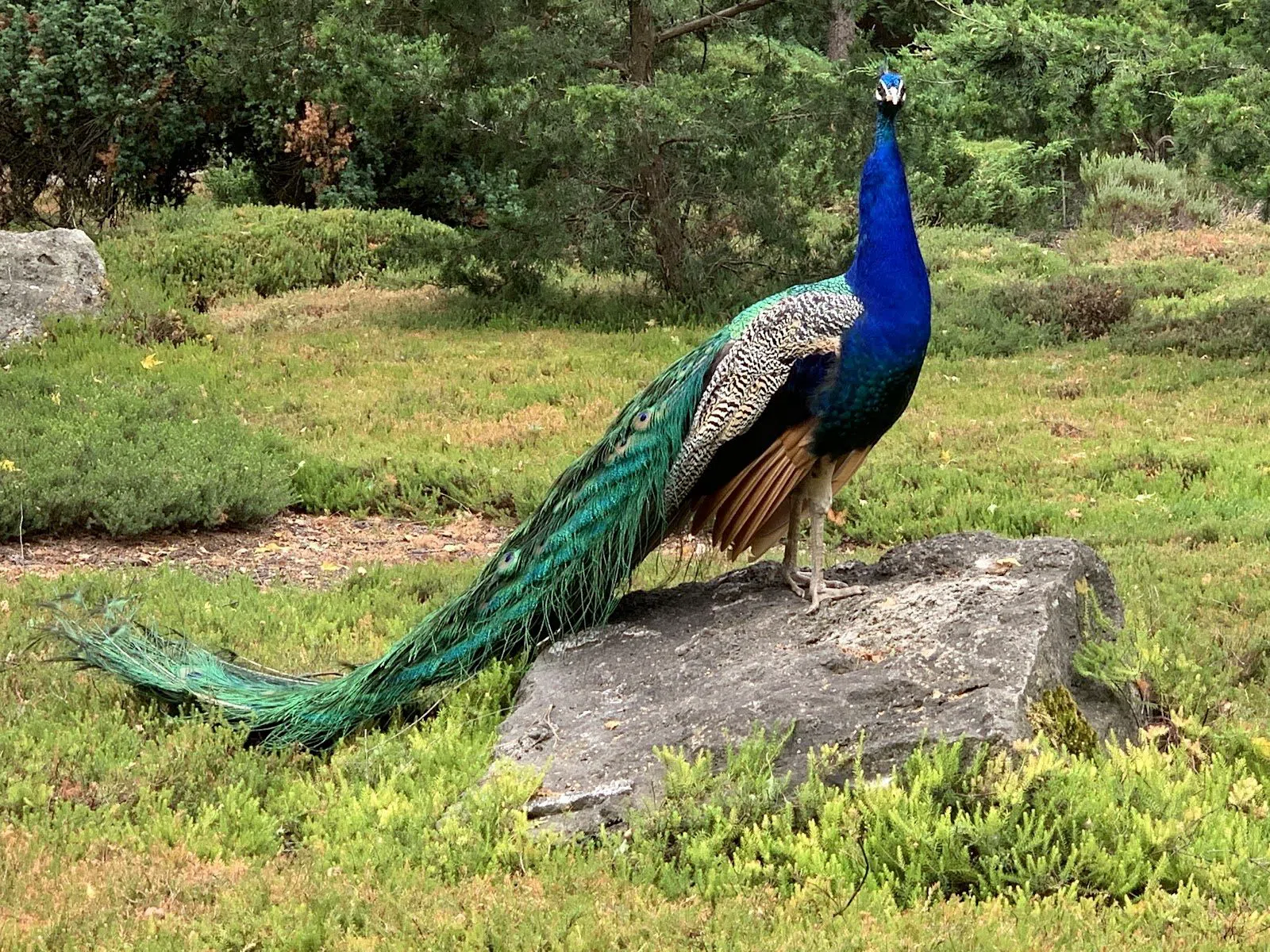
Königsforst (eastern city edge, reached via Rath-Heumar) is a genuine forest you can get to on a KVB tram, which is a rarer combination than it sounds. Access is open and unrestricted, the waymarking is good enough for self-guided groups, and there are two obvious routes: the loop around the Rather Weiher runs to about 10 km, and the northern circuit starting from Forsbach takes in the highest ground in the woods. Cost is the tram fare and nothing else. Boots rather than trainers after wet weather; the tracks hold water.
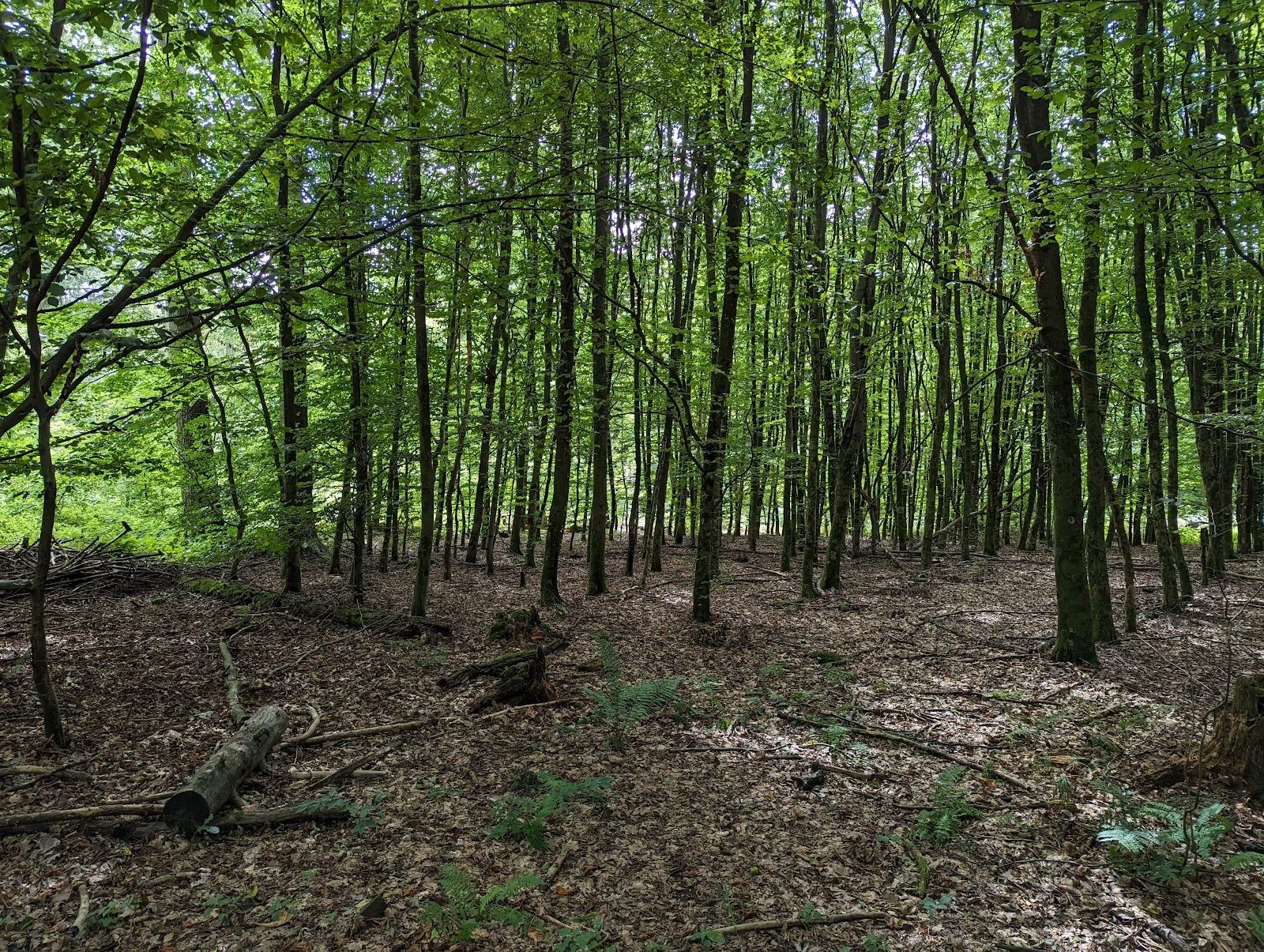
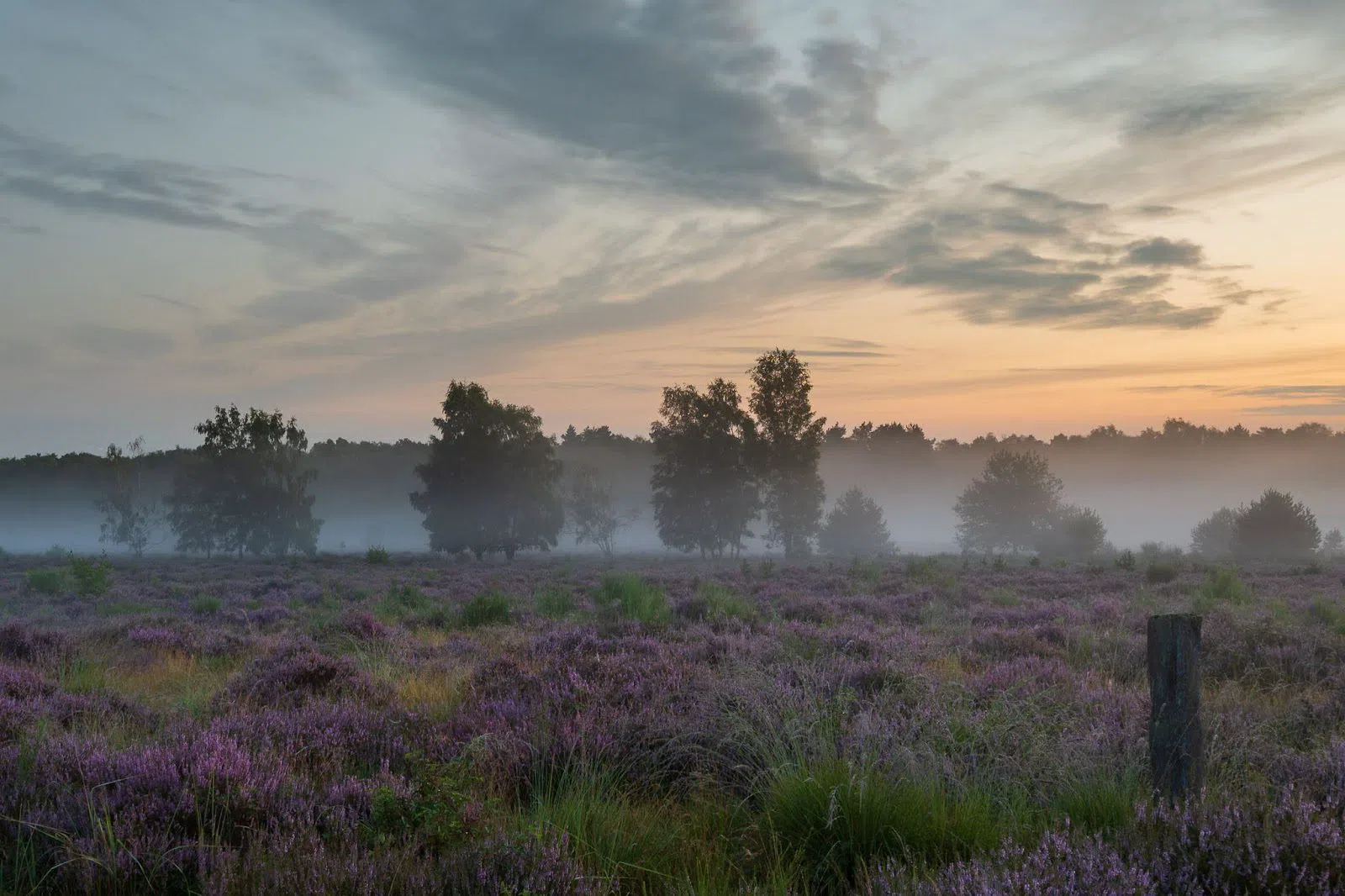
Wahner Heide (Porz) is the outlier. It is one of Germany's most species-rich nature reserves, it sits on the doorstep of the airport, and it looks nothing like the rest of the Rhineland: open heath, sand, birch scrub. Guided excursions run regularly from four visitor portals, Gut Leidenhausen in Porz, the Turmhof, the Steinhaus and Burg Wissem. They take booked groups and charge a small fee. Staying on the marked trails is not negotiable. This is protected ground, parts of it are former military land, and wandering off is neither tolerated nor sensible.
A lake, a peninsula and the ferry
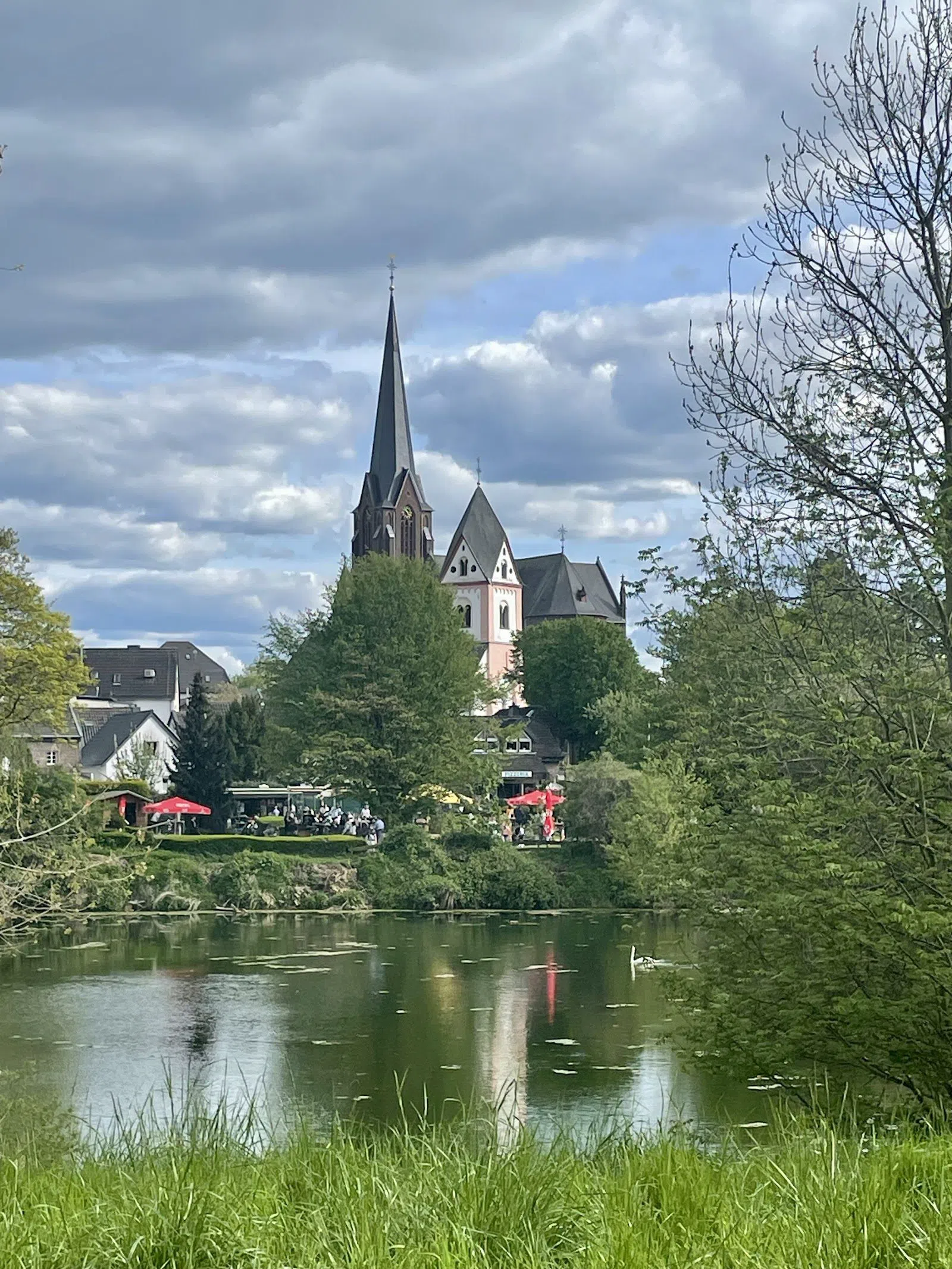
Zündorfer Groov (Porz-Zündorf) makes an easy half-day without leaving the city. It is a river peninsula reachable by S-Bahn, with a village green, moorings and the Groov Terrasse beer garden, which alone seats 400 and opens daily from 11:00 with mains around €12 to €20. The little Krokodil ferries across to the west bank run March to October and mainly at weekends, costing a few euros, so an October visit catches the tail of the season. Check it is sailing before you plan a crossing rather than a return by train.
Fühlinger See (Fühlingen, in the north) was built for events and clubs, hosted the 1998 World Rowing Championships and still has 19 km of paths across the site. The 5 km loop around the regatta course is the flattest measured circuit near the city, which makes it the place to do a timed session rather than a wander. Access is free; watersports and beach charges vary and go through the individual clubs, so book those directly. The meadows are large enough to swallow a big group without anyone minding.
Running weekend, 4 October 2026
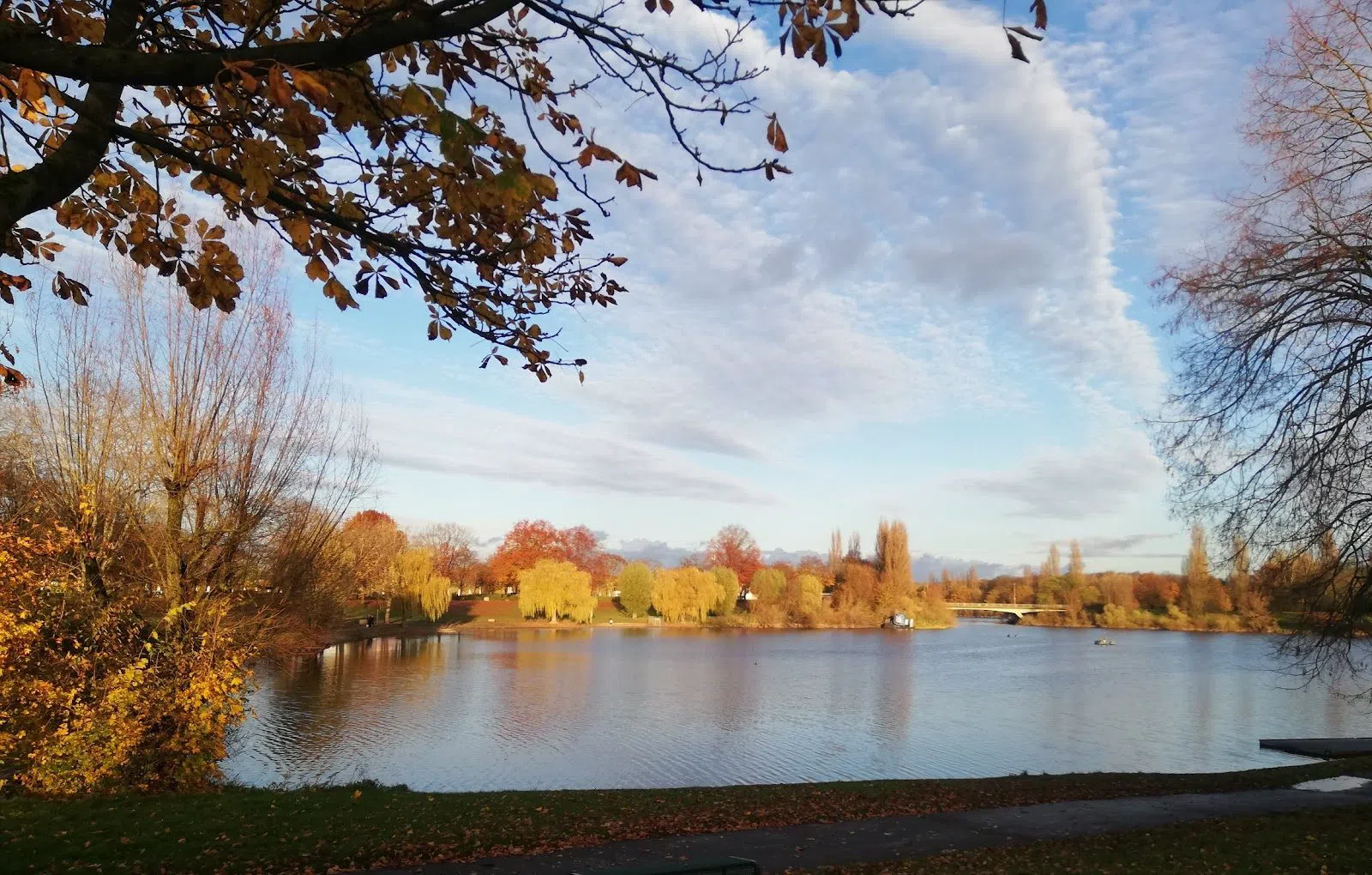
The marathon on 4 October puts a specific shape on an autumn trip. The start is at Deutz, five minutes from Rheinpark, so the practical sequence follows: walk the course sections through the Grüngürtel in the days before, keep the legs easy at Decksteiner Weiher, and hold Königsforst or Wahner Heide for the day after, when a slow flat hour under trees is worth more than another city walk. Book the Claudius Therme slot rather than turning up on the Sunday evening. Rooms on the right bank put you within walking distance of the start; the Cologne hotel search is the quickest way to compare Deutz against the Altstadt, and the wider Cologne guide covers what to do with the rest of the weekend.
Getting around, paying, timing
Everything here is on public transport. The tram and S-Bahn network reaches Königsforst, Zündorf, Fühlingen and the Stadtwald directly, and a day ticket costs less than one taxi ride to any of them. Nearly all of the green space is free: Rheinpark, the Rheinboulevard, Flora, the Grüngürtel, Volksgarten, the Stadtwald, Lindenthaler Tierpark, the Forstbotanischer Garten, Königsforst, Wahner Heide, Melatenfriedhof, Zündorfer Groov and Fühlinger See cost nothing to enter. The paid items are the cable car (€5.50 to €9.50), Claudius Therme (€19.50 to €39.50 plus €8 for the sauna), guided tours (€8 at the Skulpturenpark, about €14 at Melatenfriedhof, a small fee in Wahner Heide) and boat hire at about €9 an hour.
Carry some cash. Beer gardens and larger venues take cards, but boat hire, the Krokodil ferry and small tour fees are simpler with notes and coins. On timing: the cable car and the Zündorf ferry both wind down at the start of November, the Forstbotanischer Garten's maples are at their best through October, and the Flora glasshouses shorten their hours from November, so an autumn trip wants the seasonal things done first and the forests kept for whenever the weather allows. Check the Monday closure at the Skulpturenpark, and assume an hour of daylight less than you think by late October.
Before you go
Which Cologne park should I visit if I only have a couple of hours?
Rheinpark in Deutz. It is free, open around the clock and five minutes from Deutz station, and it gives you the cathedral across the river, a view the left bank cannot offer. The Rheinboulevard steps just downstream are worth adding at sunset; the walk from the cathedral over the Hohenzollern bridge takes about ten minutes.
Is the Cologne cable car running in October 2026?
Yes. The Kölner Seilbahn runs daily from 10:00 to 18:00, last boarding at 17:45, and the 2026 season closes in early November. Adult fares are €5.50 one-way and €9.50 return. Groups get a discount from four people, and parties of 17 or more and school classes pay €4.00 to €6.50. Cabins hold four, so larger groups split across gondolas.
Where do people in Cologne actually go running?
The Inner Grüngürtel and Aachener Weiher take the everyday loops. Decksteiner Weiher in the Stadtwald is better for longer flat runs, with lights along the paths. For measured work, the loop around the regatta course at Fühlinger See is 5 km and the flattest circuit near the city. Königsforst suits trail running, though the tracks hold water after rain.
Can I visit these places with a large group?
Most of them, yes. Rheinpark, the Rheinboulevard, the Grüngürtel, Volksgarten, Fühlinger See and Zündorfer Groov all take crowds without trouble, and the Groov Terrasse beer garden seats 400 on its own. Two exceptions: Melatenfriedhof, where a small quiet group is the only decent way to walk it, and Claudius Therme, which takes group bookings but runs as a quiet spa for adults.
Where is the best autumn colour in Cologne?
The Forstbotanischer Garten in Rodenkirchen, where the Japanese maples peak through October. Entry is free, the October hours are 09:00 to 18:00 daily, and guided tours run on the first Wednesday of the month at 14:30 and the third Saturday at 15:00. The Friedenswald next door adds another 20 hectares to the walk.