The Cologne issue
The Kölsch Communion: Cologne's Brewery Halls and the Beer That Never Stops Coming
A calm, practical walk through Cologne's brauhäuser — the ritual of the endless 0.2-litre Stange, and exactly where to sit, book and behave.

By Bram HendriksSlow walks, Romanesque churches and the city beyond the Dom
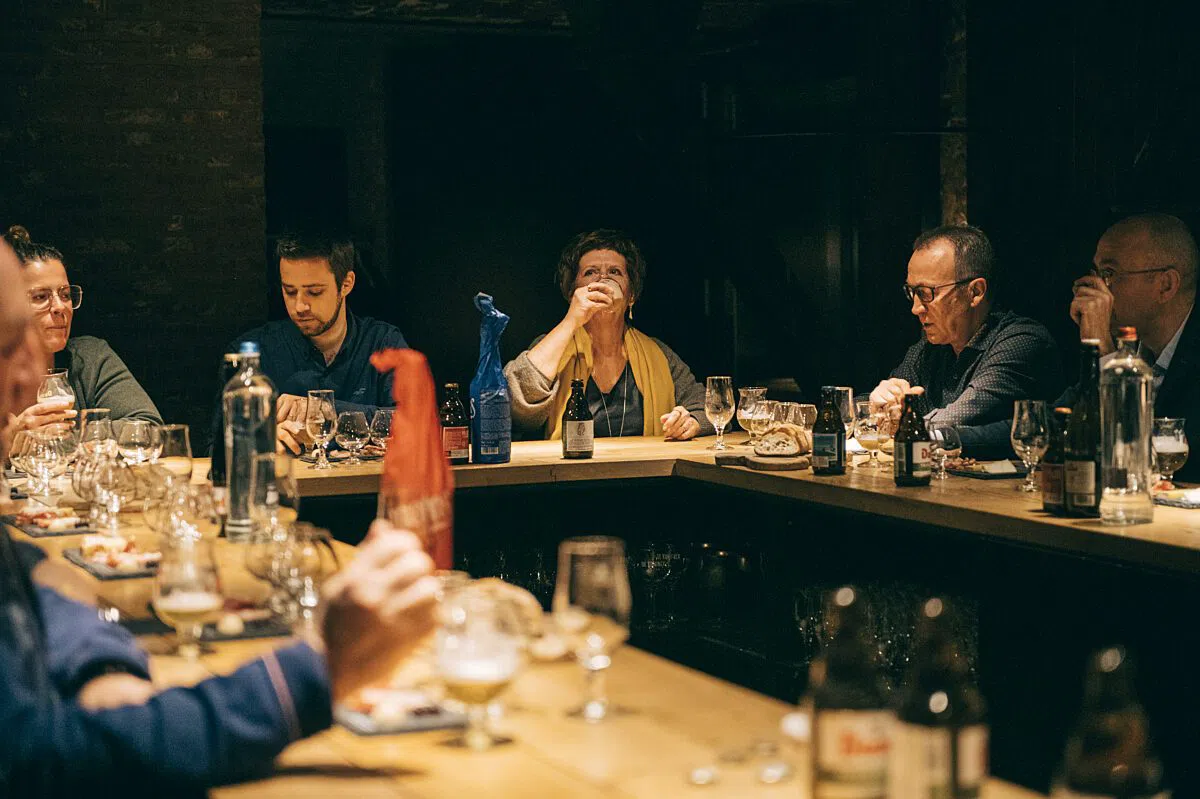
Kölsch arrives without ceremony and without pause. In Cologne's brauhäuser the beer is poured into a slim 0.2-litre glass called a Stange, set down by a blue-aproned waiter — the Köbes — who marks a pencil stroke on the beer mat in front of you, then replaces the glass the moment it runs low, a fresh one sliding in until you lay the mat flat over the top to say you're finished. What looks from the outside like a drinking contest is really a rhythm the city has kept for the better part of a century.
What Kölsch actually is
Kölsch is a protected designation, brewed by a small number of houses in and around the city and served, by convention, in that 0.2-litre Stange rather than a half-litre stein. It is pale, top-fermented and clean, meant to be drunk fresh and fast before it warms — which is the whole reason the glasses are small and the refills constant. The Köbes keeps a running tally in pencil on your mat, the Strichliste, and you pay by the stroke at the end; there is rarely a menu ceremony around the beer itself, because there is usually only one beer.
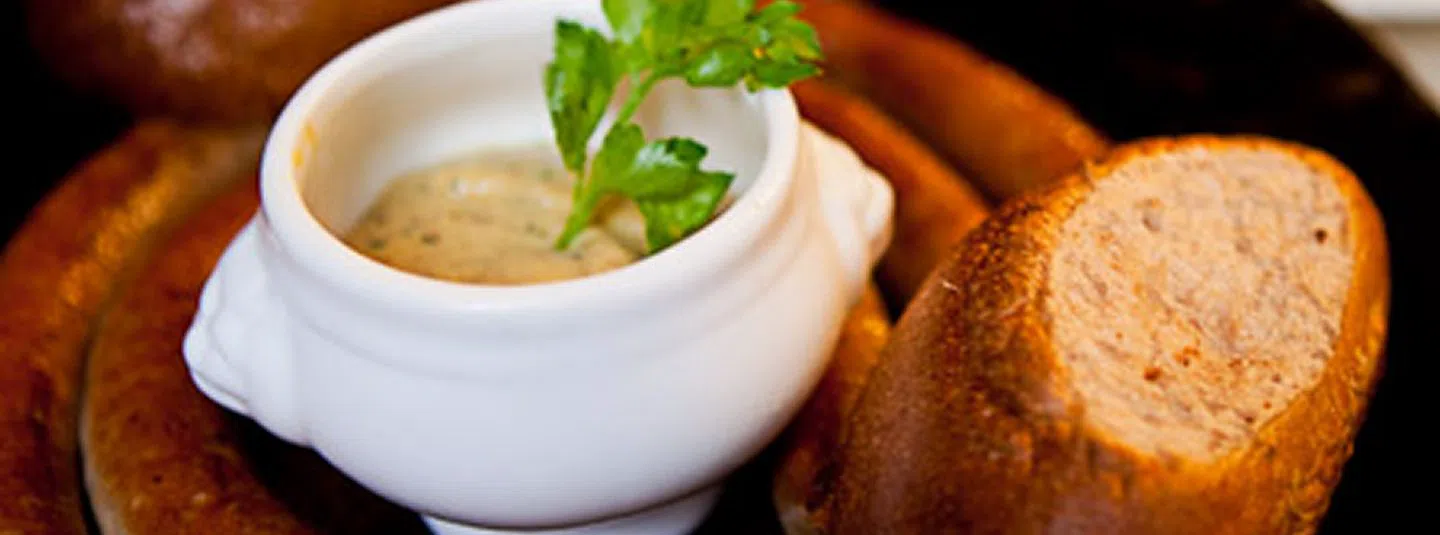
The food follows the same unfussy logic. A Halver Hahn, despite the name, is not half a chicken but a rye roll with a thick wedge of aged Gouda and mustard. Kölscher Kaviar is blood sausage, not fish. Order either and you have understood the assignment. Most halls occupy vaulted cellars or timbered rooms in the Altstadt, the reconstructed old town that curls along the left bank of the Rhine; the interiors range from genuinely medieval fabric to careful post-war rebuilds, and it is worth knowing which is which before you decide where to spend an evening.
Plan your Cologne trip
Live prices from our booking partners.
Free cancellation on many rooms. We may earn a commission when you book.
Around the Dom: where most nights begin
The cathedral is the obvious anchor, and three of the city's most capable halls sit within a few minutes' walk of it.
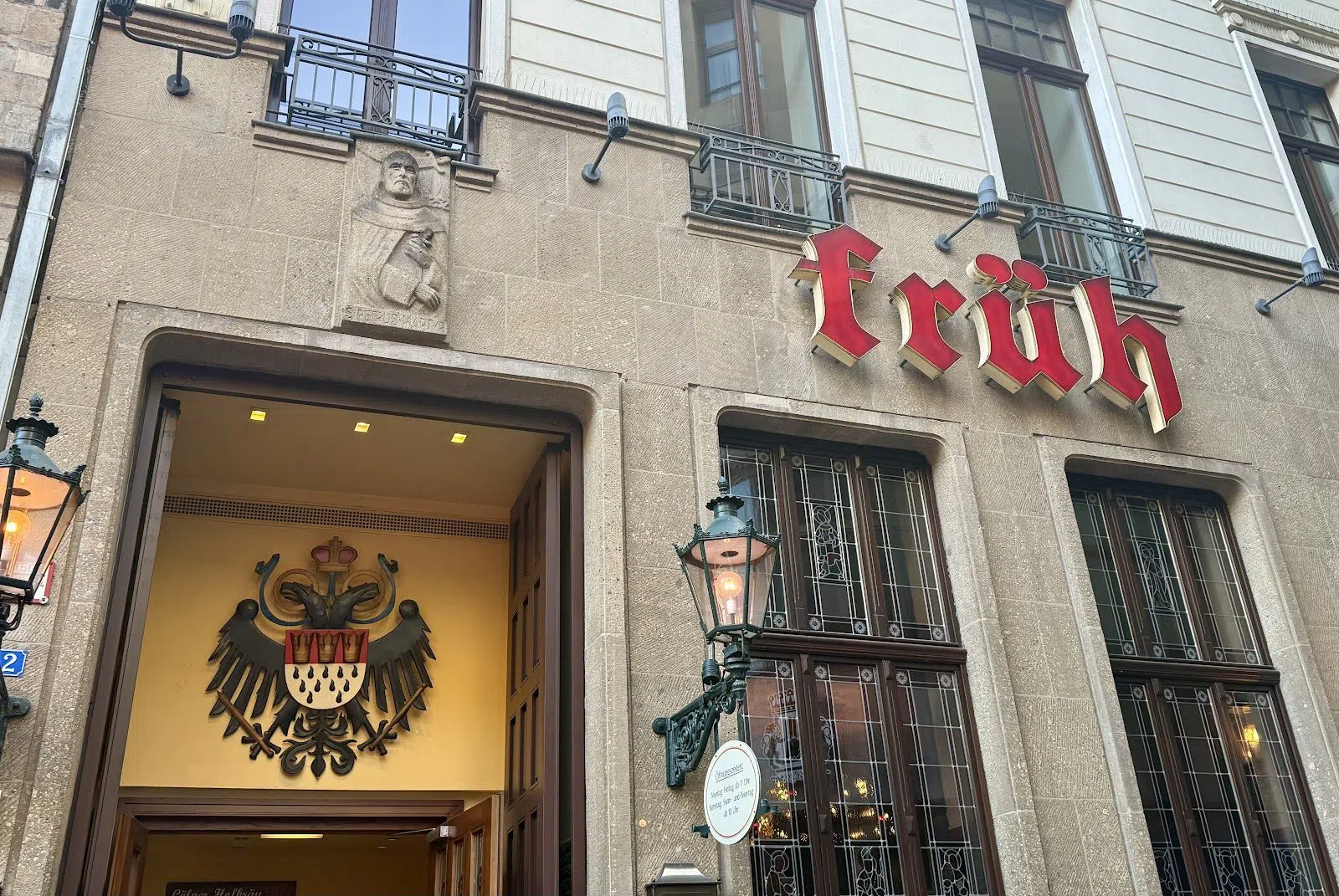
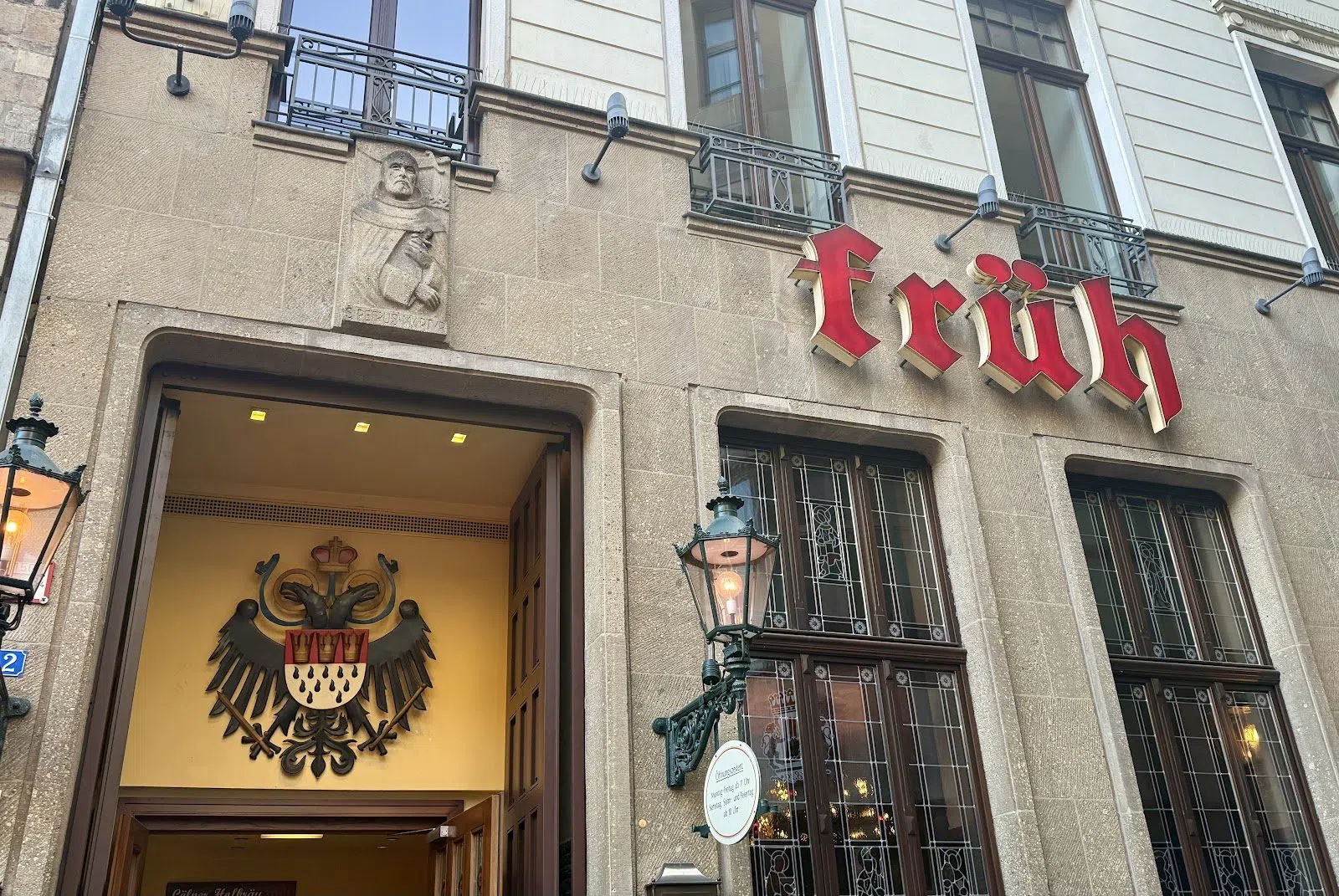
Früh am Dom (Am Hof, directly south of the cathedral) is the single most recognised Kölsch address in the city and, unavoidably, the most touristed. It spreads across several levels of a large house, with a vaulted cellar that is the real, atmospheric heart of the place, and a top-floor FRÜH Lounge with a cathedral view that seats up to 150 for private functions. A Kölsch runs around €2.30 for the 0.2L, mains land between €12 and €22. For a large group this is one of the safer bookings in Cologne precisely because it is built for volume; reserve ahead, especially for the lounge, and accept that you are sharing the cellar with visitors from everywhere.
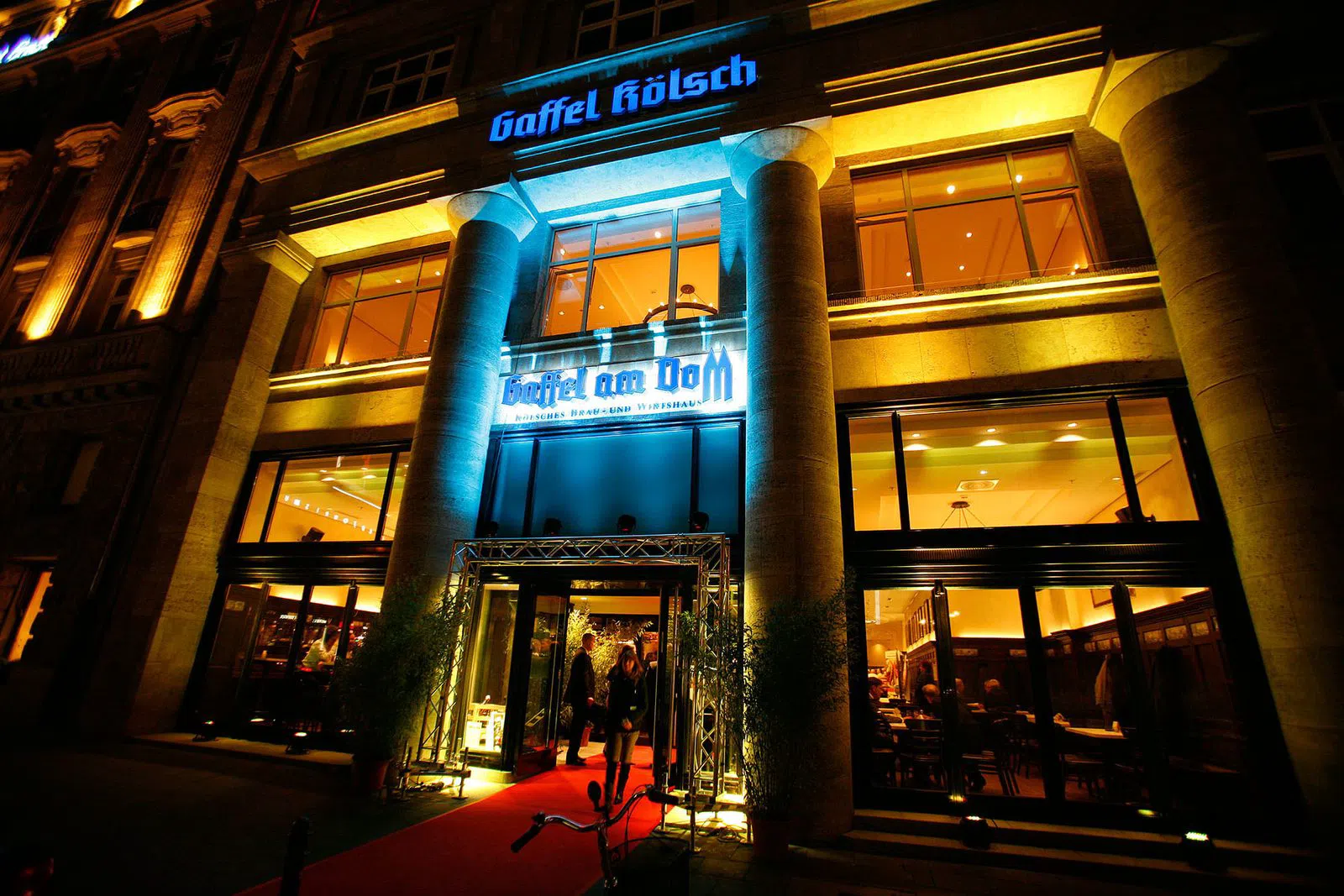
Gaffel am Dom (on the Bahnhofsvorplatz, essentially opposite the Hauptbahnhof) is the easy first or last stop straight off the train. It is large and lively rather than intimate — room for around 700 across three floors plus outdoor seats — which makes it the most group-capable hall on this list. Prices sit at the familiar mark, Kölsch about €2.30 and mains €12–22. If you have a party of twenty arriving by rail with luggage, this is where to put them; nobody comes here for quiet.
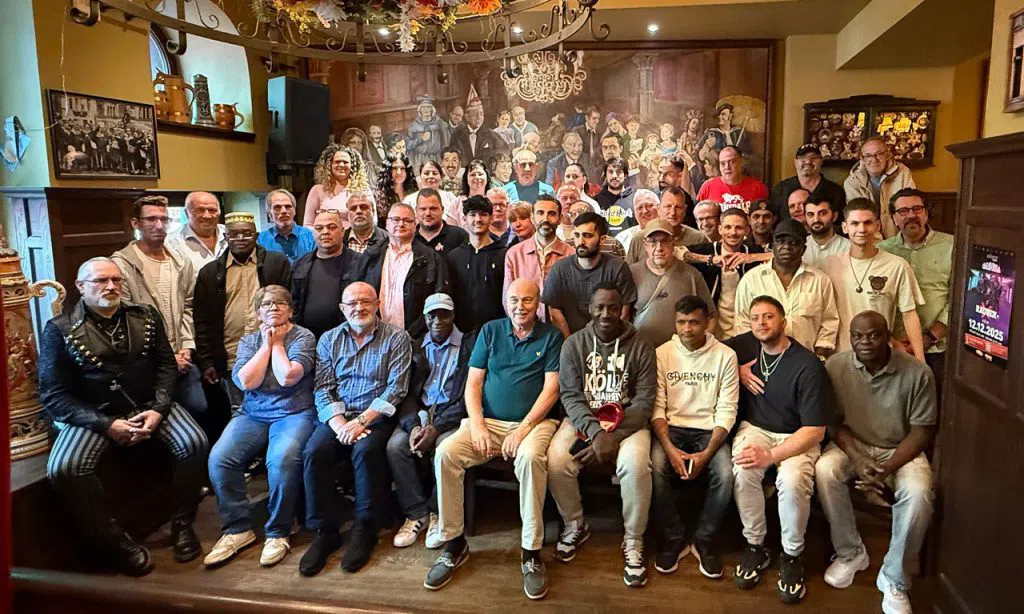
Peters Brauhaus (Mühlengasse, in the Altstadt lanes behind the river) is the one to see for the room itself. The stained-glass ceiling and carved wood make it the prettiest brauhaus interior in the city, and it is set up sensibly for groups with separate rooms you can reserve. Kölsch is around €2.30, mains €12–21. It suits couples and mixed groups who want the tradition with a bit of grace rather than a beer-barn crush.
Deeper into the Altstadt lanes
A short walk toward the Rhine puts you among the tightest concentration of halls, on and around Salzgasse.
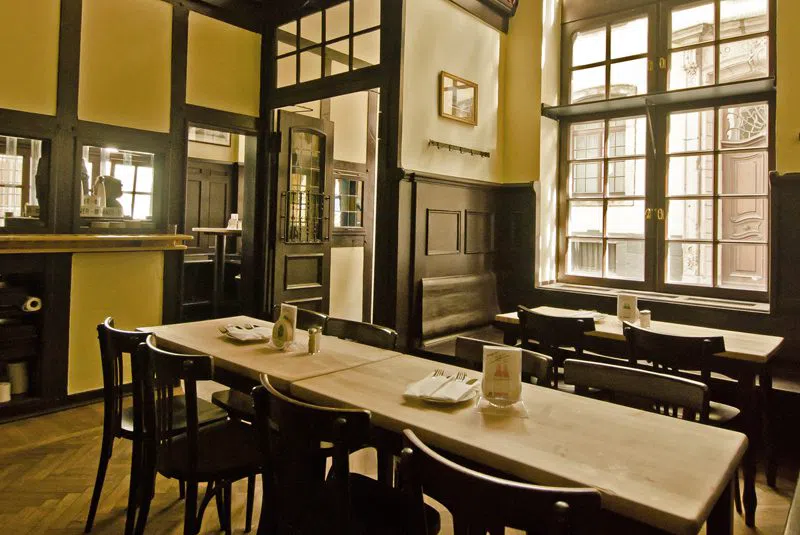
Brauhaus Sünner im Walfisch (Salzgasse, a step back from the river) occupies one of the most atmospheric old buildings in the city — a narrow, timber-framed house that fills quickly on any decent evening. It pours Sünner, billed as the world's oldest Kölsch, and takes groups in a cosy historic space; book ahead, because there is not much room to absorb walk-ins. Kölsch around €2.30, mains €13–21. Come for the fabric of the building as much as the beer.
A few doors along, Bierhaus en d'r Salzgass (Salzgasse) is the solid, slightly less-touristed option on a street packed with brauhäuser. It is group-friendly and, because of where it sits, the natural pivot point if you want to string several halls together on foot without a plan. Kölsch about €2.30, mains €12–20.
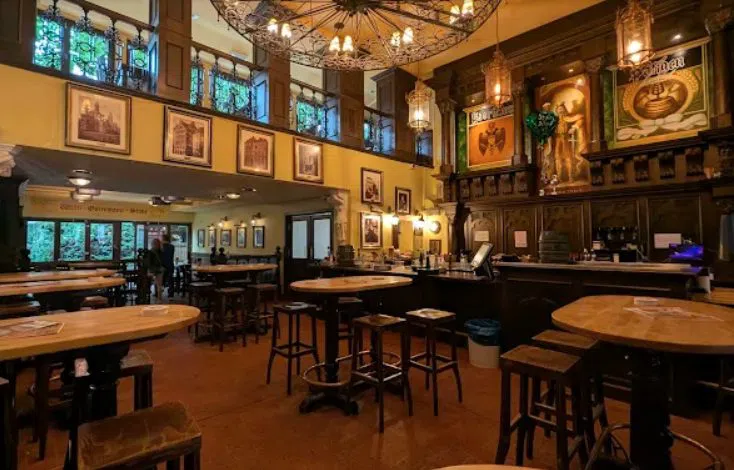
Brauhaus Sion (Unter Taschenmacher, in the same Altstadt cluster) traces its roots to 1318 and turns up regularly on guided beer-hall routes. It handles groups and events across several rooms — reserve if you are more than a handful — and it is a reliable place to eat the classics properly, the Halver Hahn and the Kölscher Kaviar done without irony. Kölsch around €2.30, Rhenish mains €12–20.
The addresses locals actually send you to
Away from the cathedral crowds, three houses carry the strongest reputations among people who live here — and each has a catch worth knowing before you go.
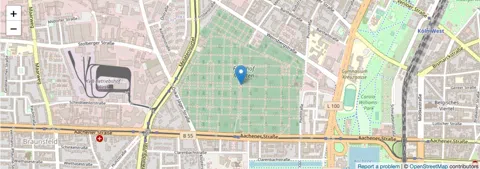
Brauhaus Schreckenskammer (Ursulagartenstraße, near the Romanesque church of St. Ursula, just north of the ring road) is widely rated by locals as the best Kölsch in the city. It is also small, cash only, and closed on Sundays and Mondays, so plan around it rather than drifting in. It is good for a modest group but not for a large stag mob, and the tiny room means you should go early. Kölsch is a touch cheaper at around €2.10, honest German mains €9–16. If you want one genuinely local evening, this is the strongest single recommendation on the page.
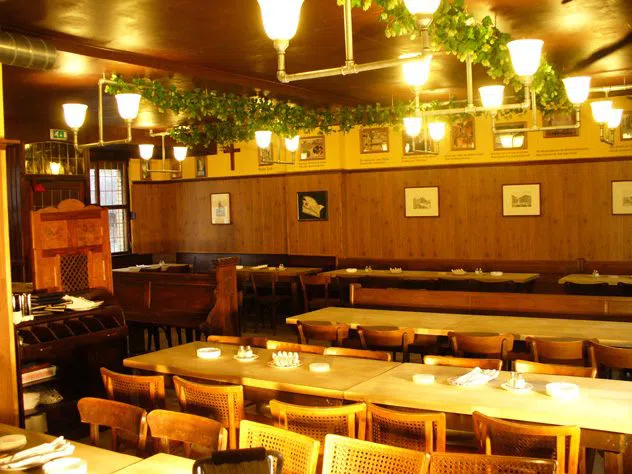
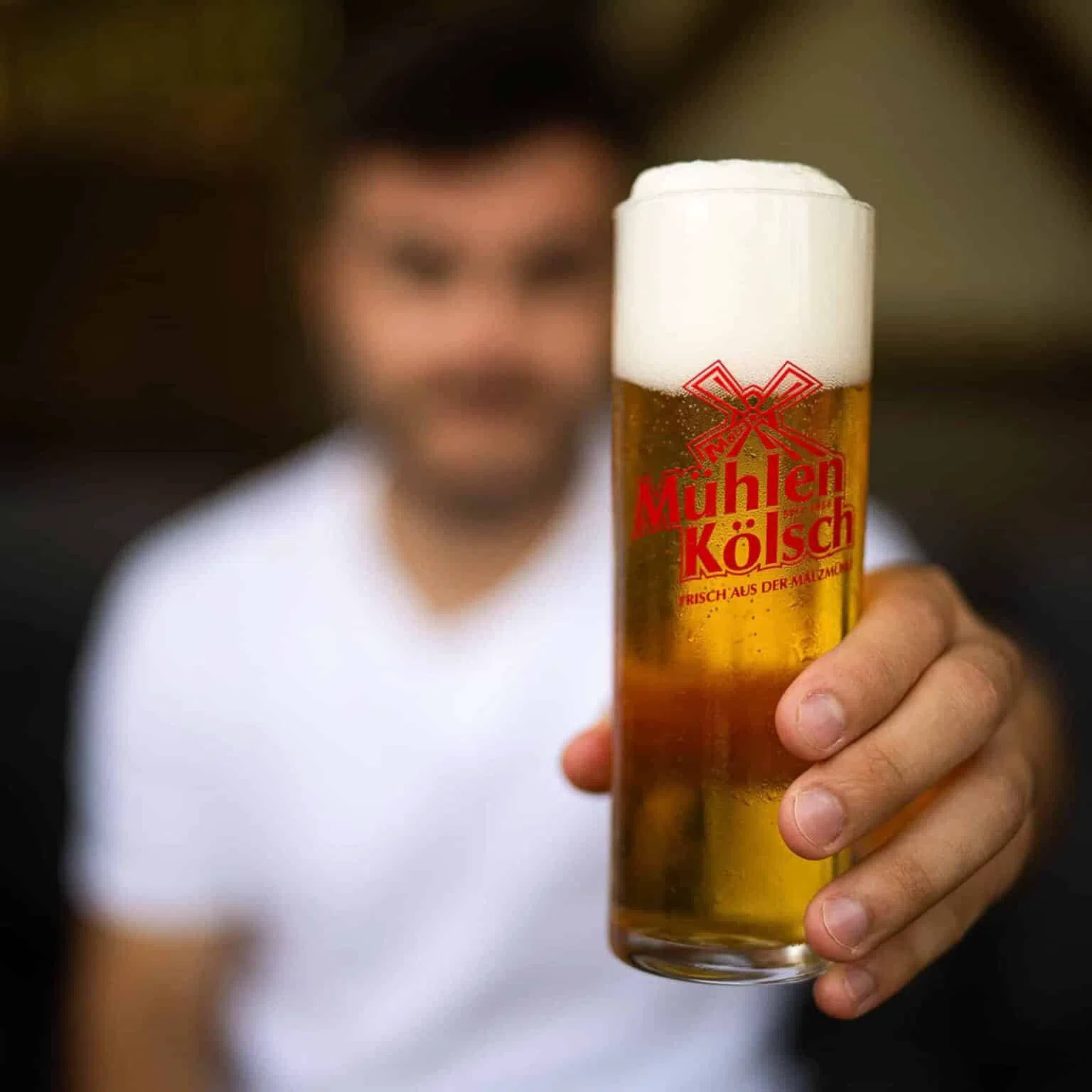
Brauerei zur Malzmühle (Heumarkt, at the southern edge of the Altstadt) brews Mühlen Kölsch and is independent, family-run and beloved by locals — tradition without the tour-bus churn. It is group-friendly, with function rooms and long tables, so it works for larger parties if you reserve. Bill Clinton famously drank here in 1999, a fact the house is quietly proud of. Kölsch around €2.30, hearty Rhenish mains €13–20.
Brauhaus Päffgen (Friesenstraße, on the edge of the Friesenviertel) is the purist's choice: Kölsch drawn unfiltered from the cask, with no artificial carbonation, in a house that takes its beer seriously. It welcomes groups but takes reservations by phone only, and — importantly — posts explicit rules for stag and hen parties. The message is plain: behave, or you are out. This is a brauhaus, not a party barn, and it will suit drinkers who want the beer at its most traditional. Kölsch around €2.20, mains €11–19.
Brewpubs and the craft edge
Not everything in Cologne is a century-old cellar. Two houses show where the culture is bending.
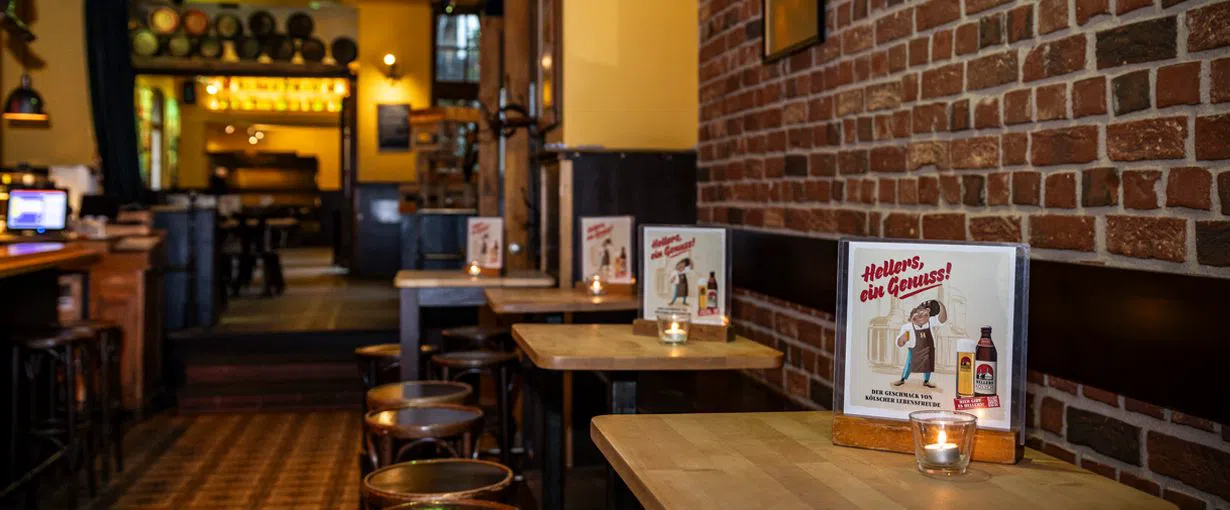
HELLERS Brauhaus (Roonstraße, in the student quarter south of the ring) is the organic, more contemporary take on brauhaus culture. It is relaxed and roomy, draws a younger crowd, and has a beer garden that earns its keep in summer. Alongside classic Kölsch it brews an unfiltered house beer called Ungezwungen, and the kitchen runs strong vegetarian and vegan options — not a given in this tradition. Kölsch around €2.30, mains €11–19. Good for a group that wants the ritual without the formality.
Braustelle (Ehrenfeld, west of the centre) is the address for beer geeks. It is a small, characterful craft brewery pouring an unfiltered Wiess-style Kölsch called Helios plus experimental brews you will not find in the tourist halls. Pours run a little higher, roughly €3–4, with a short food menu. It is fine for a modest group but not for big-party scale; come for the beer itself and a conversation with people who care about it.
Going to the source
If you want to understand how the beer is made rather than only how it is drunk, there are two routes.
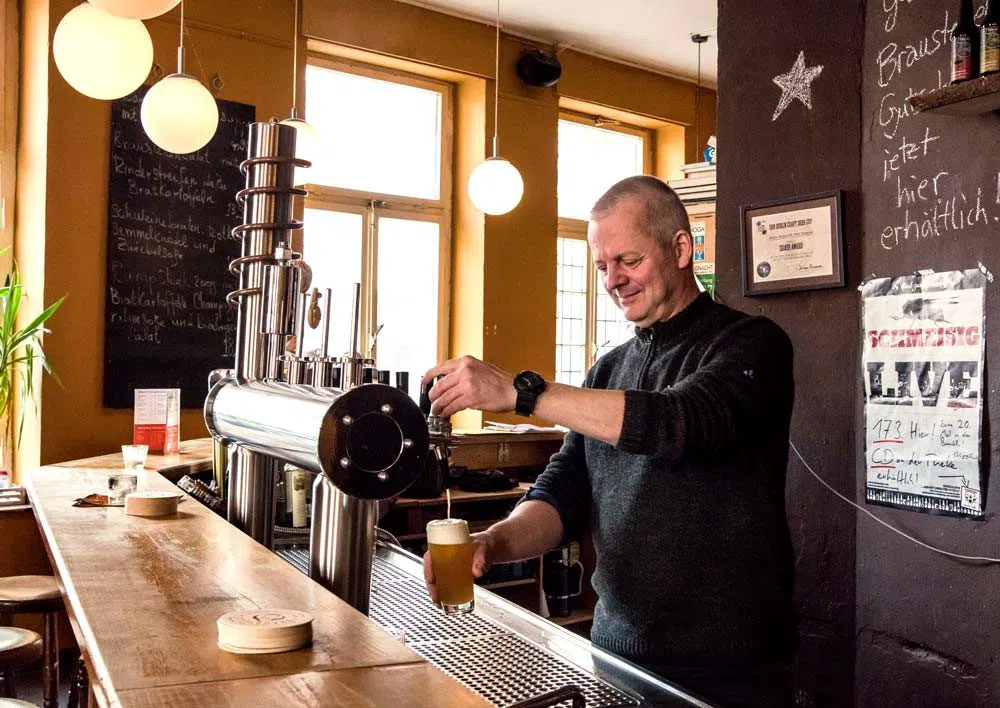
Brauhaus Sünner Keller — the Sünner Brauerei out in Kalk, on the right bank — is the production-brewery counterpart to the Walfisch pub. It runs booked brewery tours and tastings and hosts events, so it is genuinely built for groups who want an actual brew-tour rather than a table and a tally. Reckon on roughly €15–30 per person for a tour with tastings. Book in advance; this is not a walk-in.
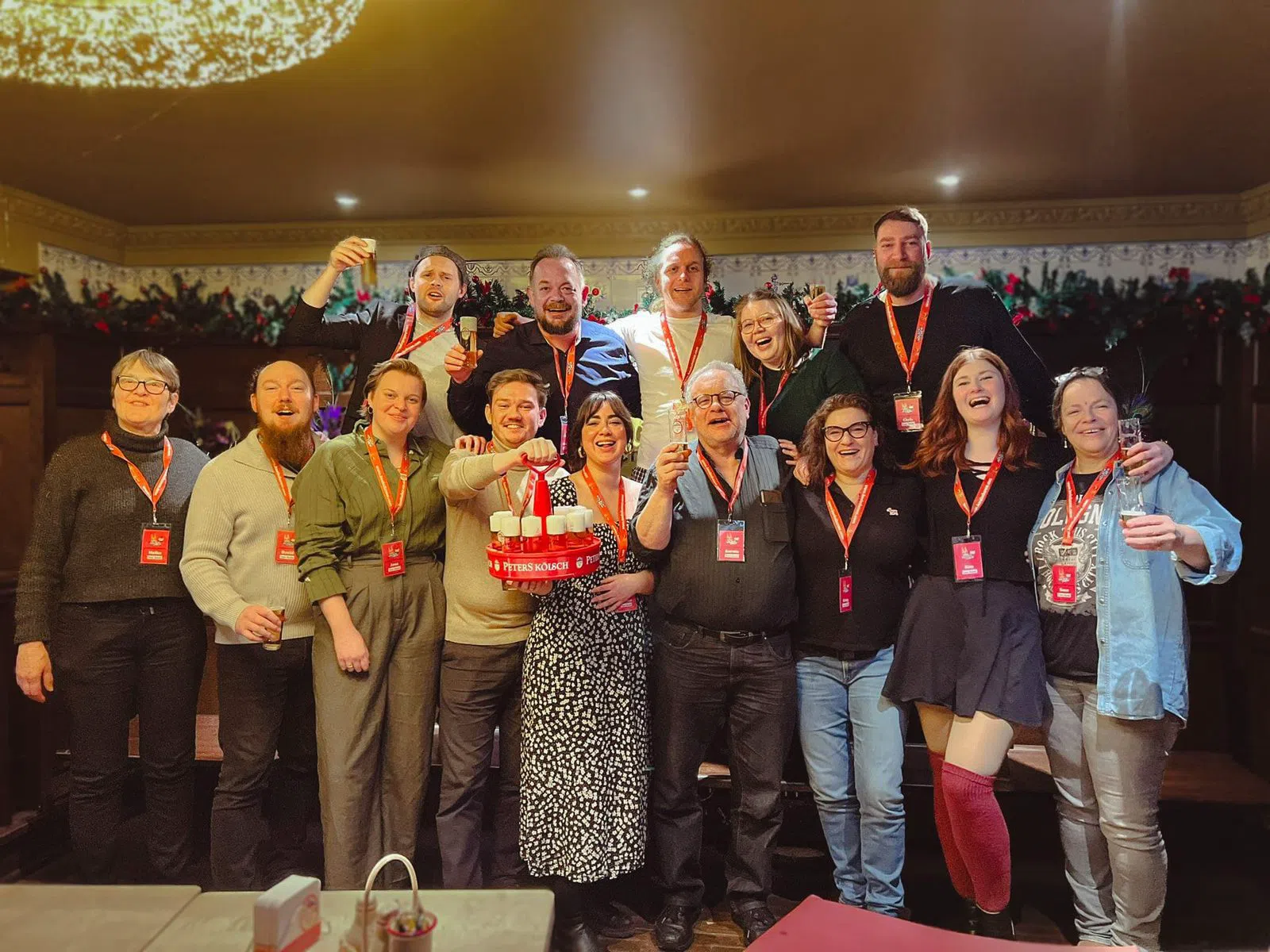
The Kölsch Crew is the guided answer to the whole question of where to go. Their beer-house tours cover three to five halls in one guided crawl of two to three hours, so you sample the range without planning the logistics yourself. They are built for groups: public tours run around €20 per person, private bookings from about €19 per person for any size, corporate tours from €30 per person plus a €250 group fee, and there is a longer culinary tour at €95 per person. They also run dedicated stag and hen (JGA) tours, with an optional axe-throwing add-on. It is worth being clear that this is a tour of pub culture, not a production tour — a way to see the halls, not the brewery floor.
Groups, stags and door realities
Cologne is welcoming to groups, but the halls are not uniform, and matching your party to the right room saves everyone an awkward evening. For genuinely large numbers — twenty and up — Gaffel am Dom and Früh am Dom absorb crowds best, and the FRÜH Lounge is a proper private option if you want a view and a door you can close. For a stag or hen group specifically, the honest advice is to book through a house that expects you: The Kölsch Crew runs JGA tours as a matter of course, while Brauhaus Päffgen will take a group but publishes conduct rules and enforces them.
Some of the best rooms are the wrong fit for a rowdy crowd. Brauhaus Schreckenskammer is tiny and cash only; a mob will swamp it and spoil it for everyone. Braustelle is small and geared to people who want to taste and talk. Couples and smaller mixed groups are better served by Peters Brauhaus for the interior, Malzmühle or Sünner im Walfisch for the tradition, and HELLERS for something lighter and later. When in doubt, phone ahead — several houses, Päffgen among them, take reservations only by telephone, and the popular locals' addresses fill early.
Before you plan the crawl, it is worth booking a base within walking distance of the Altstadt so you are not negotiating late trams; a Cologne hotel search around the Heumarkt or the cathedral quarter puts most of these halls within fifteen minutes on foot. For wider context on the city beyond the brauhäuser, the broader Cologne guide covers the museums, the Rhine walks and the Romanesque churches that make a daytime worth the trip.
Practical notes
Getting around. Almost everything above sits inside or just beyond the Altstadt ring, and the halls are close enough to walk between; the Hauptbahnhof, beside the cathedral, is the obvious arrival point, with Gaffel am Dom on its doorstep. Braustelle in Ehrenfeld and the Sünner brewery in Kalk are the two that need the KVB tram or S-Bahn — plan those as a deliberate outing rather than a spontaneous hop.
Cash. Bring some. Brauhaus Schreckenskammer is cash only, and while most houses now take cards, older halls and busy Köbes still prefer notes and coins. Round up rather than tipping formally.
Timing. The locals' rooms fill from early evening; Schreckenskammer is closed Sundays and Mondays, so build a plan around it rather than assuming it will be open. Guided and brewery tours — The Kölsch Crew, the Sünner brewery in Kalk — must be booked ahead. Weekend nights in the Altstadt are loud and crowded; a weekday evening buys you space and a better shot at the good tables.
Budget. A Kölsch runs roughly €2.10–2.30 for the 0.2L across the traditional houses, a little more at the craft end, and the Strichliste adds up faster than you expect because the glasses are small and never empty. Mains sit around €9–22 depending on the hall. A guided crawl is €19–30 per person, a brewery tour with tastings €15–30. An evening of a few beers and a Halver Hahn is inexpensive; the real cost is simply losing track of the pencil strokes. Lay your mat over the glass when you have had enough — it is the only reliable way to make the beer stop coming.
Before you go
How does the endless Kölsch refill actually work?
In a traditional brauhaus the Köbes (waiter) replaces your empty 0.2-litre Stange with a full one automatically and marks a pencil stroke on your beer mat each time. You pay by the stroke at the end. To stop the refills, lay your beer mat flat over the top of your glass — that is the recognised signal that you are finished.
Which Cologne brewery hall is best for a large group or a stag party?
Gaffel am Dom (around 700 seats across three floors) and Früh am Dom (with a 150-seat top-floor lounge for private parties) handle large numbers best. For a stag or hen (JGA) party, book through The Kölsch Crew, which runs dedicated group tours; Brauhaus Päffgen takes groups but enforces strict conduct rules, and tiny cash-only Schreckenskammer is not suited to big crowds.
Do Cologne brauhäuser take card, or do I need cash?
Bring cash. Brauhaus Schreckenskammer is cash only, and while most halls now accept cards, older houses and busy waiters still prefer cash. It is the safest way to settle your tab and round up.
What should I order to eat with Kölsch?
Order the classics: a Halver Hahn (a rye roll with aged Gouda and mustard — not chicken, despite the name) and Kölscher Kaviar (blood sausage, not fish). Most halls serve hearty Rhenish mains for roughly €9–22, and houses like HELLERS also offer strong vegetarian and vegan options.
How much does a Kölsch cost in Cologne in 2026?
A 0.2-litre Kölsch runs about €2.10–2.30 in the traditional brewery halls and a little more (around €3–4) at craft breweries like Braustelle. Because the glasses are small and refilled constantly, the total climbs faster than you expect — watch the pencil strokes on your mat.