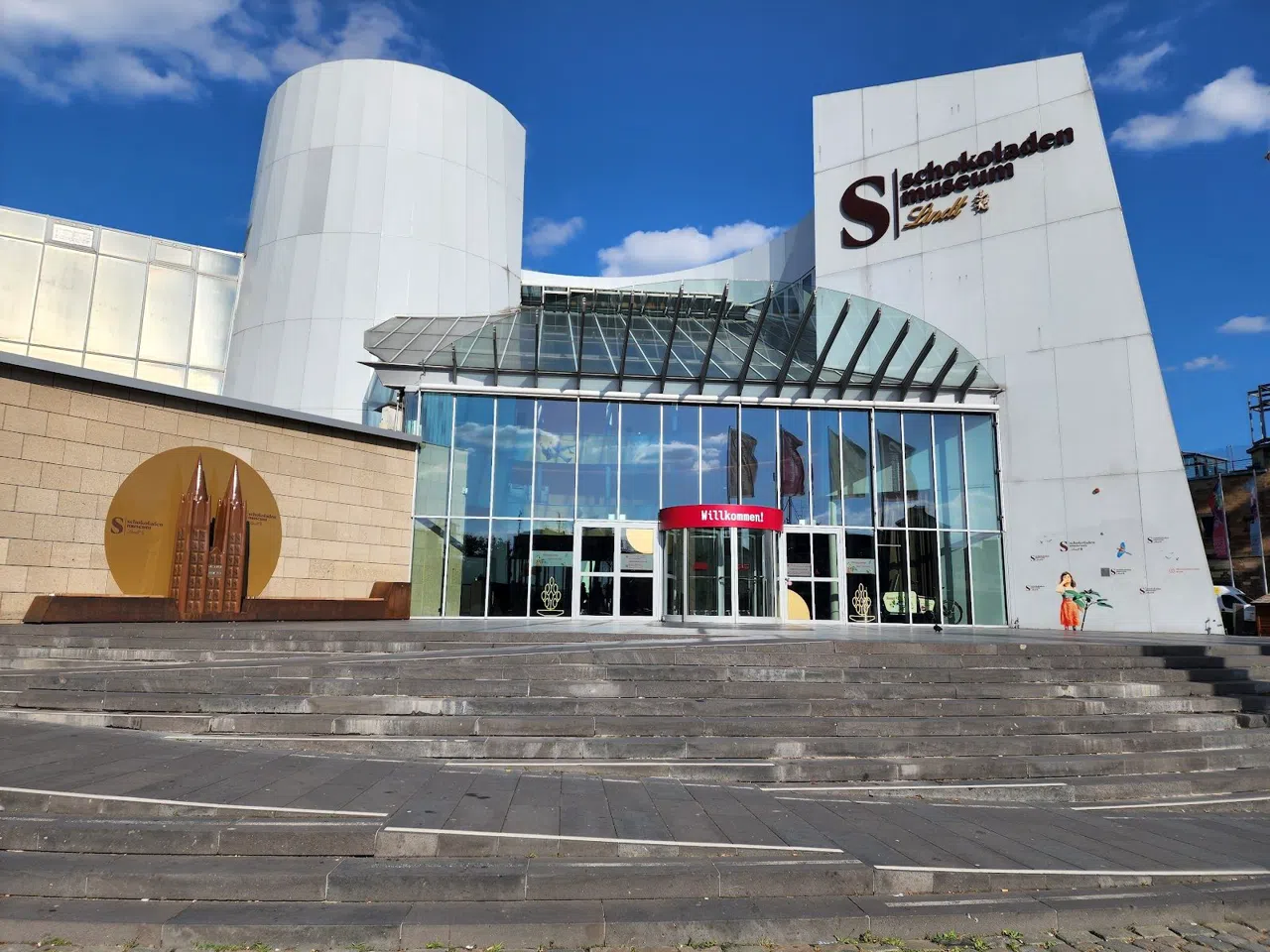

At the tip of the Rheinauhafen, on a spit of land where the Rhine pushes hard against the quay wall, a glass-and-steel building holds a chocolate factory that actually runs. Behind the glass, tempered chocolate moves along a belt, moulds are filled and knocked to shake the air out, and a wrapping station turns out bars that go downstairs to the shop. The machines stop roughly half an hour before closing, and that single fact should shape when you go.
What the line on the Rhine actually does
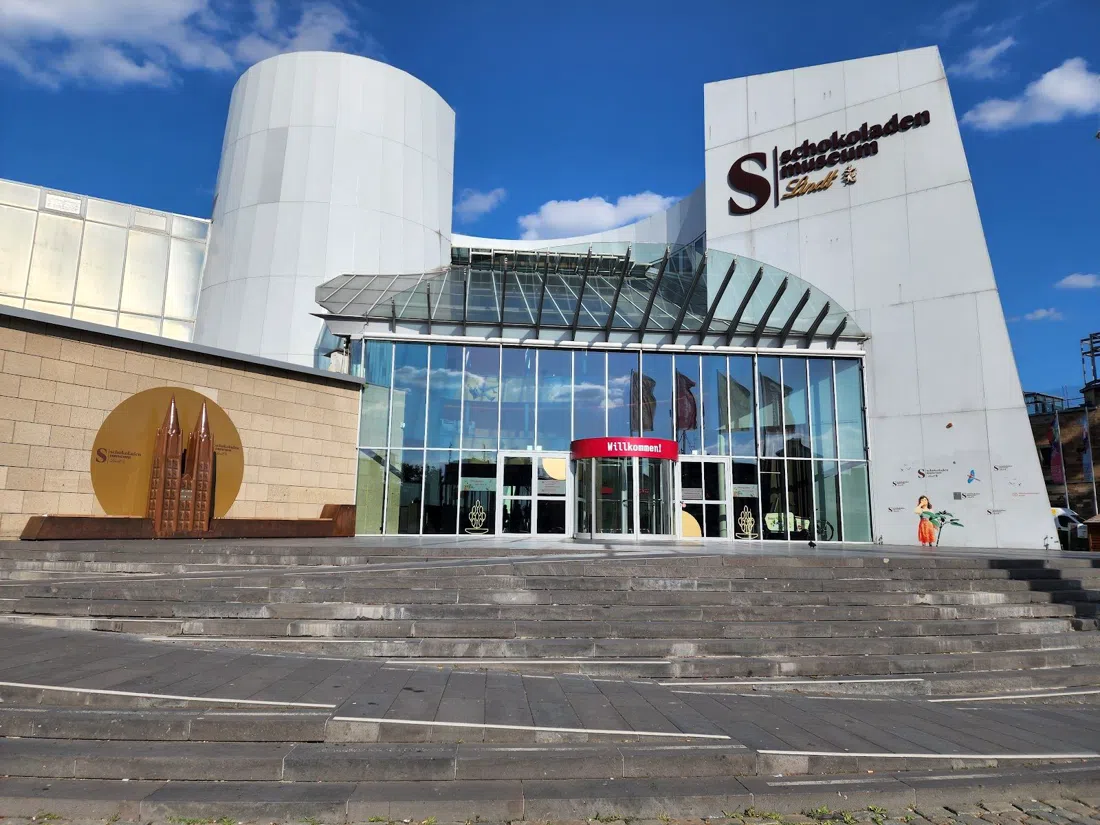
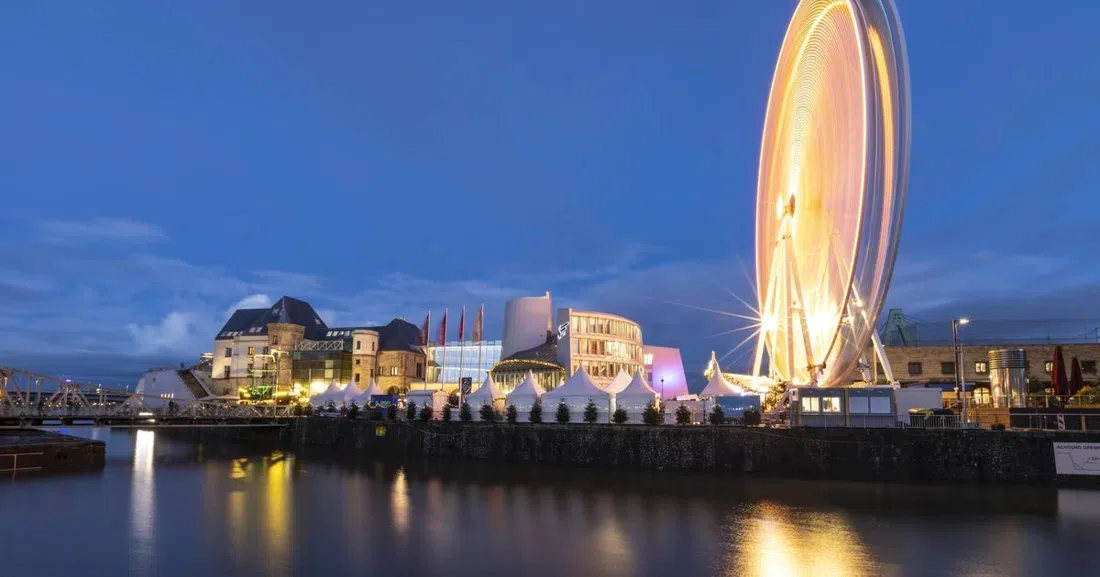
Schokoladenmuseum Köln (Rheinauhafen, on the harbour spit below the Severinsbrücke) opened in 1993, founded by the manufacturer Hans Imhoff, who had bought the old Cologne chocolate house Stollwerck. The building is worth a minute of attention before you go in: a modern glass prow grafted onto a surviving Prussian customs house, moored at the end of a peninsula so that from the promenade it reads as a ship tied up in the old harbour. The Rheinauhafen around it was working dock until the redevelopment that brought the tall crane-shaped office blocks. The museum was there first, when the quays were still half-derelict.
Inside, the sequence runs from raw material to finished bar. There is a warm, humid tropical house near the start with cacao trees in it, then rooms on the plantations, the colonial trade and the Rhineland firms that turned cocoa into an industry here. Then you reach the production floor, and this is the part that separates the place from a themed attraction. It is a real, small line: a tempering machine holding chocolate at working temperature, a moulding and vibrating stage, a cooling tunnel, a hollow-figure section that spins moulds so the shell sets evenly, and staff in white coats and hairnets doing an ordinary shift. What comes off it is sold in the shop on the ground floor. None of it runs on a loop for show.
The fountain is the other thing everyone comes for, a tall column of liquid chocolate from which a member of staff hands you a wafer dipped straight into it. It is a small ritual, done in front of you rather than behind a counter. Expect it to be busy: this is a family museum, and school groups and coach parties are routine.
Be honest with yourself about what you want from the visit. If you are after tasting depth, the museum's house blend is a competent, sweet, mass-market chocolate and the specialists across town will beat it. If you want to watch chocolate being made at industrial scale by people who do it every day, there is nowhere else in the city that shows you this. It pairs well with the wider Cologne guide if you are building a two- or three-day itinerary around the old town and the river.
Timing your ticket so the machines are moving
Production stops about thirty minutes before the doors close. A late-afternoon arrival buys you the same ticket price and a hall of dark, still machinery, which is the most common complaint you will read about the place and is entirely avoidable. Check the posted closing time for your date, subtract thirty minutes, and give yourself at least an hour before that. Ninety minutes is more comfortable, because the production floor sits after the plantation and history rooms and most people slow down in them.
Admission is €17.50 for adults Monday to Friday and €19.00 on Saturdays, Sundays and public holidays. Children are €10.00 to €11.50 depending on the day, and family tickets run €35 to €38. Groups from fifteen people get €17.00 to €18.50 for adults and €9.50 to €11.00 for children, and coach and school groups are handled as a matter of course.
Guided tours, tastings and praline courses are bookable in advance through the museum's online shop, and they are the reason to plan the visit instead of drifting in. They are scheduled, capped and popular, and turning up at the counter hoping for a place on the day is optimistic in high season. Book at the same time you book your dates.
One calendar warning for 2026: the museum is closed on Mondays 2, 9 and 16 November. Those three closures fall in the run-up to the Christmas market season, when the harbour is otherwise at its busiest, so check the date before you commit a travel day to it.
Tempering your own pralines
The hands-on counterpart to watching the line is doing the work yourself. Chocolaterie Jan von Werth (old town, in a sixteenth-century building) sells five workshop formats, Basic, Special, Hollow-Figure, Exclusive and Kids, and takes bookings for birthdays, corporate outings and groups. The Special Choco-Workshop is €42 a head for around two hours, which is where you learn to temper properly and fill your own pralines. If you only want to buy, pralines are roughly €1.20 to €1.60 a piece. It is closed on Tuesdays, and on very hot days it shuts at 15:00. Chocolate work and a heatwave in an old building do not mix, and that early closure is real, so ring before setting out in a July or August spell.
bonnboniere (right bank, a tram ride across the river) does by hand what the museum does by machine: a one-woman manufactory working fair-trade Colombian chocolate, running praline, chocolate and cake workshops in the shop itself. Pralines start at about €1.30 a piece, workshops are quoted on request and cakes are made to order. Booking is essential, and not as a formality. The room is small, and a walk-in on the wrong day finds it full. Opening hours are narrow: Wednesday to Friday 10:00 to 18:00 and Saturday 10:00 to 14:00, nothing else. Two to six people works here. A party of fifteen does not.
Single origin against the house blend
Once you have tasted the museum's blend, the useful next move is to taste against it. Cortez Schokoladen (city centre, trading under that name since dropping the longer Hernando Cortez form) holds the deepest bean-to-bar range in Cologne, with bars from €4 to €12 and drinking chocolate and gift selections upward of €15. Tastings are offered in the shop and the staff will talk origin and percentage properly if you ask a real question. The room is narrow, so a couple or a trio is fine and a group of ten is a nuisance to everyone including you. There is no formal group booking. Hours are Monday to Saturday 10:00 to 18:00, extending to 19:00 in November and December, and it is closed on Sundays.
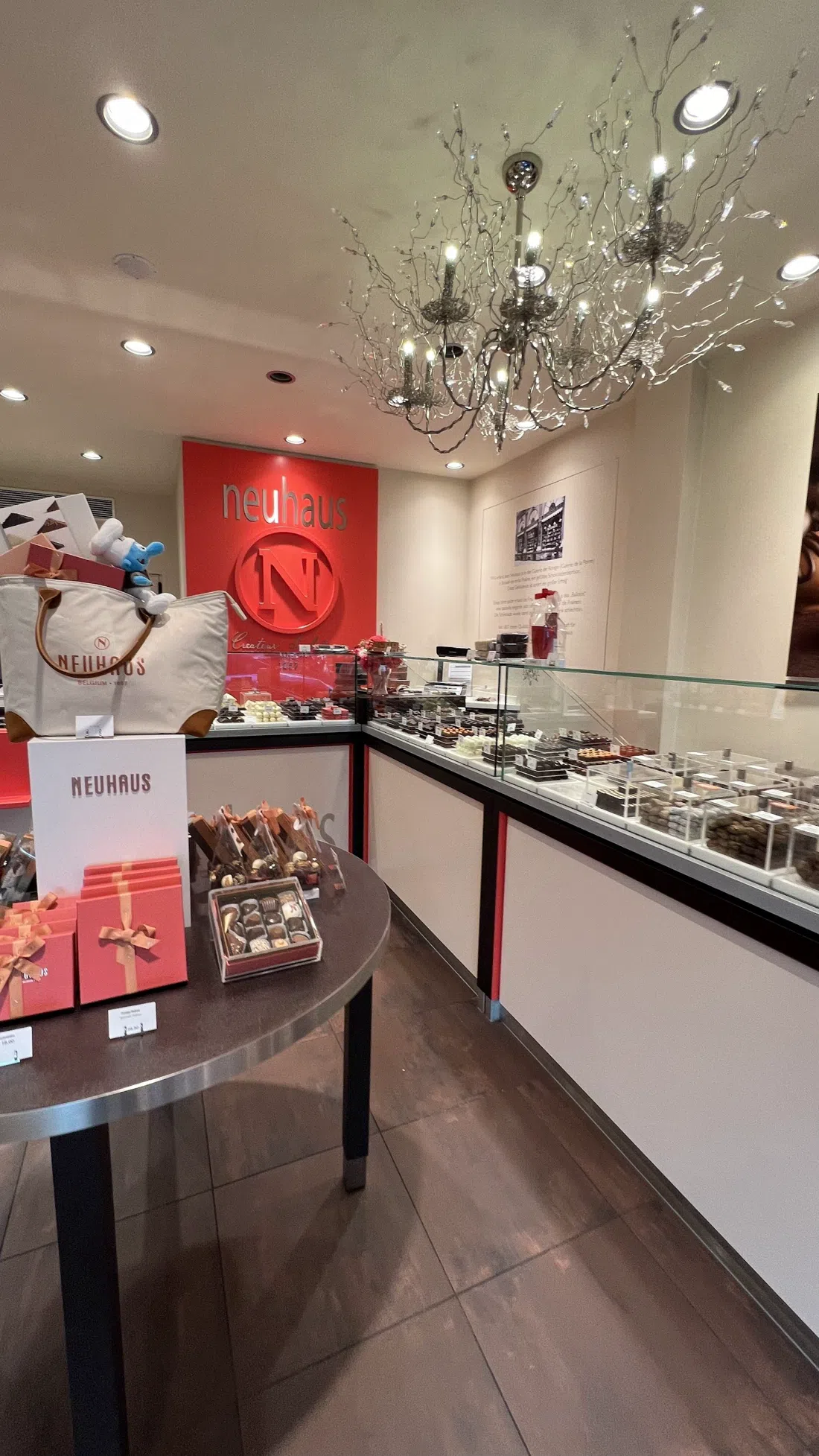
Neuhaus Köln (city centre boutique) is here as a benchmark. It is the Belgian royal warrant house, it is a chain outlet, and the ballotins run €15 to €45. Taste one of its classics beside a Cortez single origin and a Jan von Werth praline and you will understand what Cologne's own chocolatiers are measuring themselves against. There is no group facility, but Click and Collect and a gift service handle bulk orders. Closed Sundays.
Old-town houses that still bake in-house
Café Reichard (beside the cathedral) has been open since 1855 and still makes its own pralines, Baumkuchen and torten on the premises. With around 800 seats it is the one address in the old town that can absorb a coach party without a scene; phone ahead if you want tables held. Coffee and a slice of torte comes to roughly €10 to €15 a head, which is cathedral-square pricing, and the view of the west front is what you are paying the premium for. Open daily 08:30 to 20:00, which also makes it the fallback when the smaller places are shut.
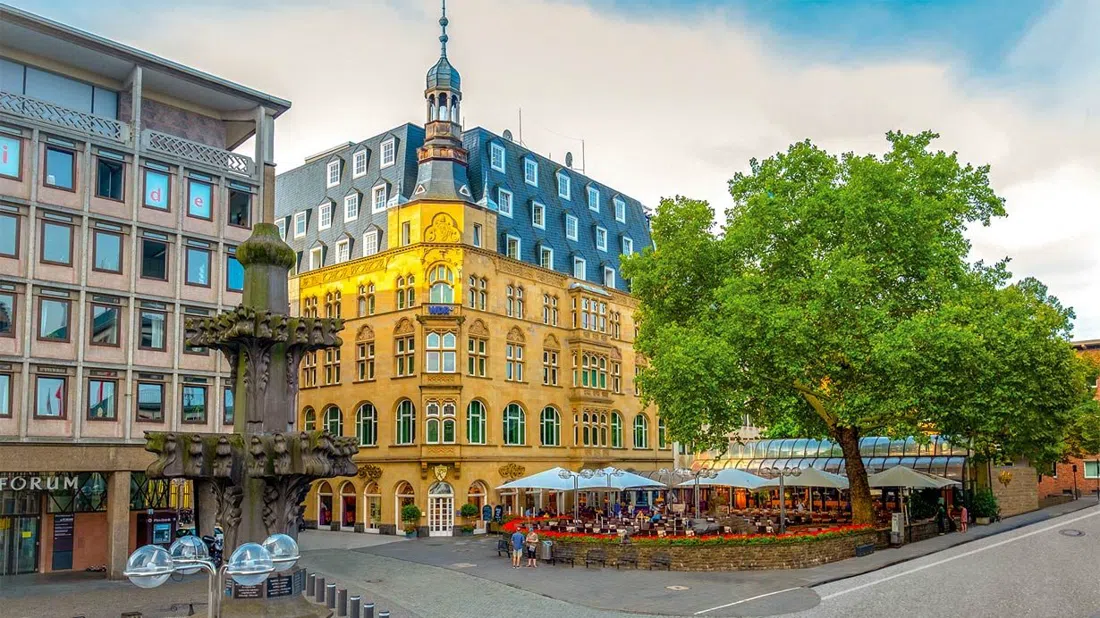
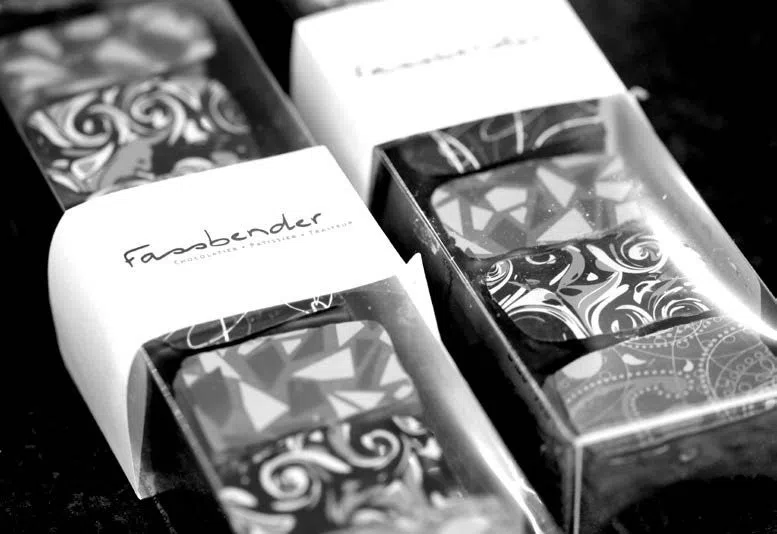
Fassbender (old town, minutes from Alter Markt, with a second branch on Mittelstraße) describes itself as a Genussmanufaktur and behaves like one: torten and pralines are produced for the house, not bought in. Cake and coffee is around €10 to €14 a head, there is café seating, and larger tables can be reserved by phone or email. Its hours differ between listings, so call to confirm before making a special trip across town for it.
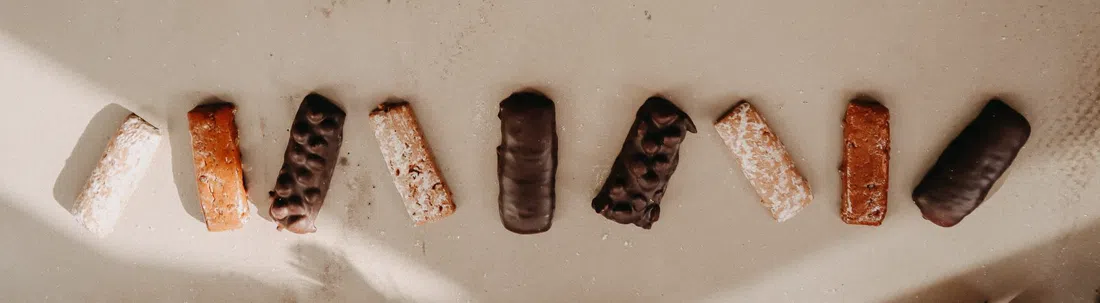
Café Printen Schmitz (on the central shopping street) is the counterweight to all the cocoa: Printen, the hard-baked, chewy, heavily spiced Rhineland biscuit, from the oldest sweets house on that street. Packs run €5 to €12 and café items €4 to €8. It is a small room, walk-in only and comfortable for a handful of people; larger Printen orders can be placed in advance. Monday to Saturday, 10:00 to 18:00.
Pâtisserie technique off the shopping streets
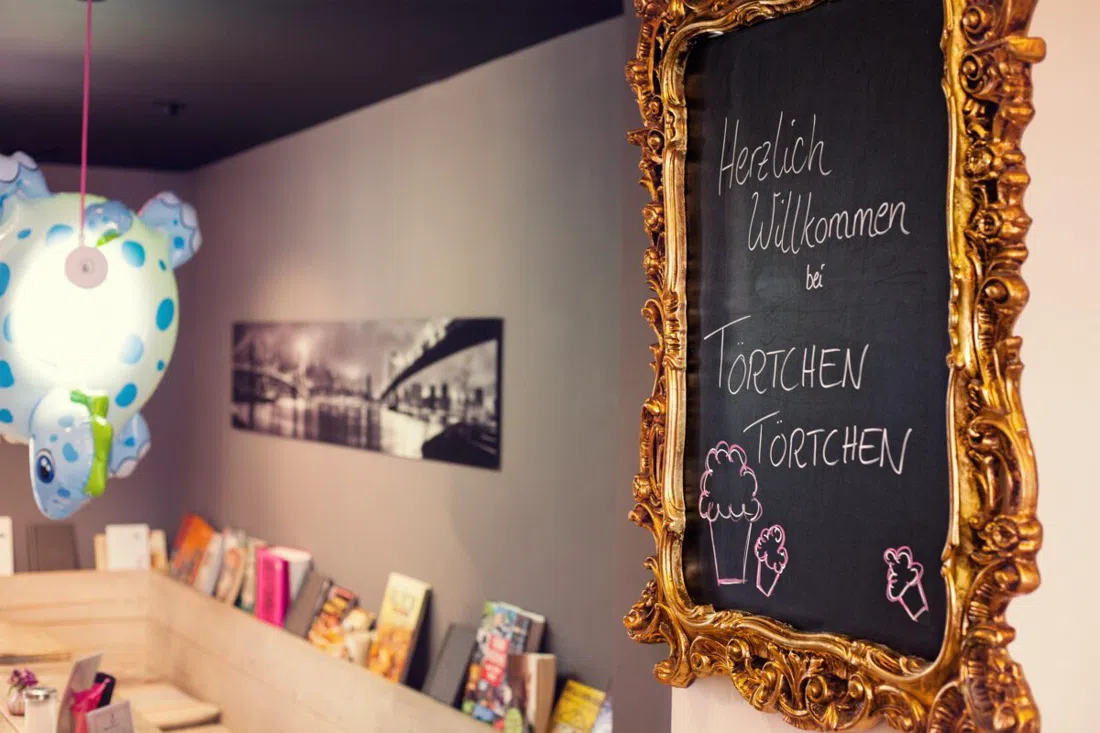
TörtchenTörtchen (city centre, with courtyard seating) is the technical high end. Matthias Ludwigs was named Pâtissier of the Year, the house works fair-trade couverture, and the honey comes from its own courtyard. Tartlets are €4.50 to €6.50 and macarons around €1.80 each. Of the serious pâtisseries it is the most group-tolerant, though a party larger than six should still call ahead. Monday to Saturday 9:00 to 18:00, Sunday 10:00 to 18:00. That Sunday opening matters when most of the specialist shops are shut.
Counters in the Veedel
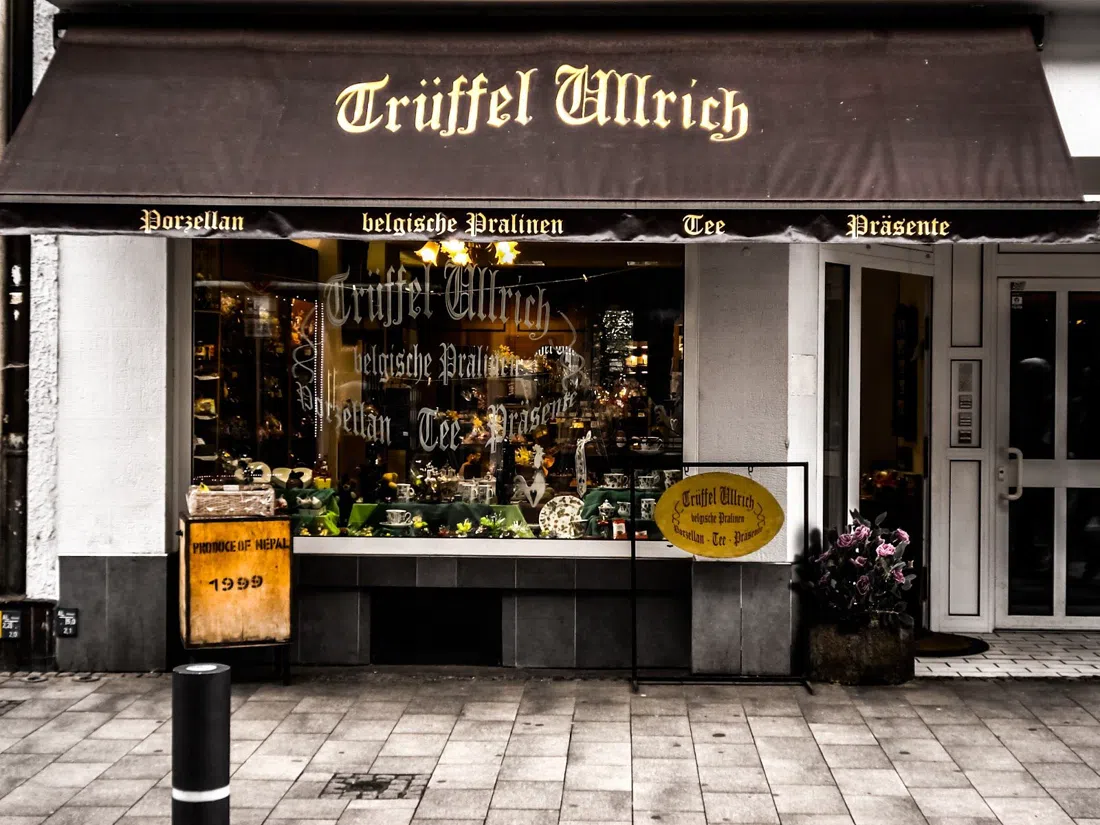
Away from the river, the chocolate gets more local and the rooms get smaller. Trüffel Ullrich (a residential Veedel, off the tourist run) is a praline and truffle confiserie that people here have used for decades, roughly €1.20 to €1.60 a piece, mixed boxes €10 to €30. It is a shop, not a café: a few people at a time is the honest capacity, and large boxed orders want a phone call in advance. Hours vary between listings, generally Monday to Friday during the day and Saturday morning only, so treat it as a morning errand.
Café und Konditorei Nimmersatt (Südstadt) is where that district goes for a chocolate mousse tart. Isa and Moritz are French-trained, pastries are €5 to €8 and coffee €3 to €4.50, and there are vegan and gluten-free options. The room is small and suits pairs and fours. It closes Mondays and Tuesdays, and Wednesday is a production day when custom cakes are collected, so order those ahead if you want one.
Chicolata (Ehrenfeld, about ten minutes out by tram) is the young, unserious end of the same obsession: chocolate on tap, €5 to €9 a head, no reservations, limited seating and a queue at weekends. Open Tuesday to Sunday 11:00 to 18:00. After a morning of nineteenth-century konditorei rooms it is a useful corrective, and Ehrenfeld gives you somewhere to spend the rest of the afternoon.
The harbour in December
From 13 November 2026 to 3 January 2027 the Kölner Hafen-Weihnachtsmarkt am Schokoladenmuseum takes over the quays around the museum, daily 11:00 to 21:00 and to 22:00 on Fridays and Saturdays. Entry is free, mulled wine and roasted almonds run about €4 to €7, and the open-air layout absorbs any group size, which none of the indoor addresses above can claim. This is the one stretch of the year when the museum's setting works as an evening destination: buy a museum ticket for the early afternoon while the line is still moving, then come out into the market as the light goes off the river. Outside those dates the quays are quiet and dark by five.
Practical notes
Getting there. The museum is a walk of about fifteen minutes along the Rhine promenade from the old town, which is the pleasant way to arrive; by public transport, use the KVB network to Severinstraße or Heumarkt and walk down to the water. Ehrenfeld and the right-bank addresses are ten to twenty minutes by tram or S-Bahn from the centre. Nothing in this article needs a car, and the harbour peninsula is a poor place to look for parking.
Cash. Germany is still a cash country at the small end of the trade. The museum, Reichard and the larger cafés take cards without fuss; the one-room shops and workshop counters may not, or may set a minimum. Carry euro notes and small change.
Timing by day. Mondays and Tuesdays are the thin days: Nimmersatt is closed both, Jan von Werth is closed Tuesdays, and the museum itself is shut on 2, 9 and 16 November 2026. Sundays close Cortez, Printen Schmitz, Trüffel Ullrich and Neuhaus, leaving Reichard, TörtchenTörtchen, Chicolata and the museum. Saturday morning is the only reliable weekend window for Trüffel Ullrich and bonnboniere. Build the museum around production hours first, then fit the shops to their opening times.
Budget. Reckon €17.50 to €19.00 for museum admission, €42 for a two-hour praline workshop, €10 to €15 for a café stop with cake, and €10 to €30 for a box of pralines to take home. A full chocolate day with a workshop, a museum ticket and one sit-down stop lands around €70 to €90 a person; without the workshop, closer to €35.
Staying nearby. The Rheinauhafen and the southern old town put you within walking distance of the museum, the Severinsbrücke and the Südstadt cafés, which is the most efficient base for this itinerary. Compare rates and locations through Cologne hotel search before booking, and note that the harbour market fortnight in November and December tightens availability across the whole riverside.